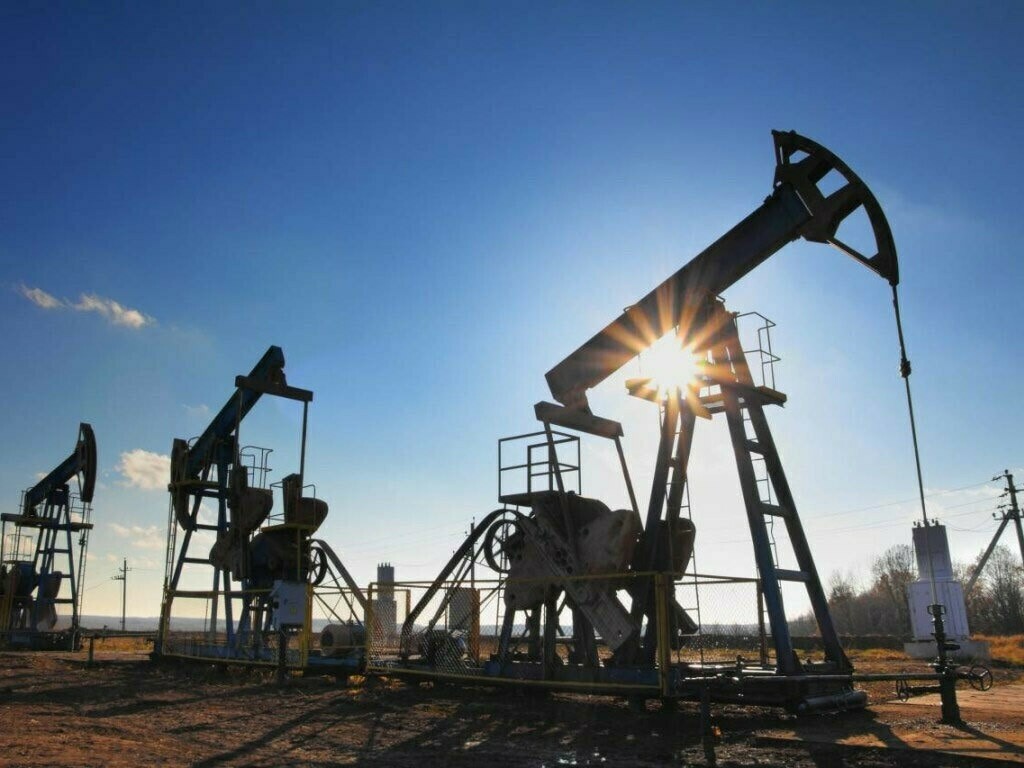
For many drivers in the U.S., the recent drop in gasoline prices has been a welcome relief. As recession fears have driven down crude prices, the cost of filling up at the pump has eased, putting more money in the pockets of consumers. However, this trend has been reversed, at least in the short term, as oil prices jumped after OPEC and allied oil-producing countries, including Russia, announced a small trim in their supplies to the global economy.
The decision, which rolls back a mostly symbolic increase of 100,000 barrels per day in September, underlines the unhappiness of OPEC+ countries with the current state of the market. Despite the small size of the cut, which is only a fraction of the 43.8 million barrels per day under OPEC+ production goals, it has sent a clear message that the group is willing to take action to support prices. As Columbia University energy policy expert Jason Bordoff tweeted, the amount of oil per day “may seem negligible, but the message from today’s cut is clear: OPEC+ thinks they’ve fallen enough.”
OPEC+ Production Cuts and Their Impact
The supply cut for October follows a statement last month from Saudi Arabia’s energy minister that the OPEC+ coalition could reduce output at any time. Since then, growing worries about slumping future demand have helped send oil prices down from June peaks of over $120 per barrel. This has cut into the windfall for OPEC+ countries’ coffers, but has proven a blessing for drivers in the U.S. as pump prices have eased. Oil producers such as Saudi Arabia have resisted calls from U.S. President Joe Biden to pump more oil to lower gasoline prices and the burden on consumers.
OPEC+ has stuck with only cautious increases to make up for deep cuts made during the COVID-19 pandemic, which were finally restored in August. The group’s cautious approach has been driven by a desire to balance the need to support prices with the need to avoid over-producing and flooding the market. As a result, oil prices have gyrated in recent months, pushed down by recession fears and up by worries of a loss of Russian oil due to sanctions over its invasion of Ukraine.
Global Economic Trends and Their Impact on Oil Prices
Recently, recession fears have taken the upper hand, with economists in Europe penciling in a recession at the end of this year due to skyrocketing inflation fed by energy costs. This trend is likely to continue, with the ongoing conflict between Russia and Ukraine, as well as tensions between the U.S. and Iran, contributing to uncertainty and volatility in the market. In recent days, tensions between the U.S. and Iran appear to have risen, with Iran seizing two U.S. naval drones in the Red Sea, and U.S., Kuwaiti, and Saudi warplanes flying over the Middle East on Sunday in a show of force.
Despite these challenges, OPEC+ countries’ energy ministers have signaled that they are willing to take action to support prices. The group’s decision to cut production in October is a clear indication that they are committed to defending their interests and ensuring that the market remains balanced. As the global economy continues to evolve, it is likely that oil prices will remain volatile, driven by a complex array of factors, including recession fears, geopolitical tensions, and changes in global demand.
Looking Ahead
As the oil market continues to evolve, there are several key trends to watch in the coming months. The ongoing conflict between Russia and Ukraine, as well as tensions between the U.S. and Iran, are likely to continue to contribute to uncertainty and volatility in the market. Additionally, the impact of recession fears on global demand for oil will be an important factor to watch, as will the response of OPEC+ countries to changing market conditions. With U.S. crude rising 3.3% to $89.79 per barrel, and international benchmark Brent up 3.7% to $96.50, after the decision, it is clear that the market is responding to the group’s actions. As the global economy continues to navigate these challenging times, it will be important to keep a close eye on the oil market and its potential impact on consumers and economies around the world.
Looking ahead, the key question will be how OPEC+ countries respond to changing market conditions, and whether they are able to balance their desire to support prices with the need to avoid over-producing and flooding the market. As the global economy continues to evolve, it is likely that oil prices will remain volatile, driven by a complex array of factors. With this in mind, it will be important to watch for further developments in the market, including any changes in OPEC+ production levels, as well as the ongoing impact of geopolitical tensions and recession fears on global demand for oil.