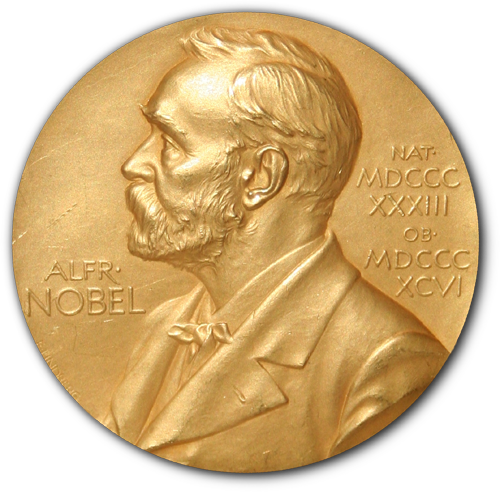
The Nobel Prize in Chemistry for this year has been jointly awarded to three pioneering scientists: British computer scientist Demis Hassabis, American chemist John M. Jumper, and American biochemist and computational biologist David Baker. This prestigious recognition is a result of their groundbreaking work on protein structure prediction and computational protein design, marking a significant milestone in the field of chemistry and its potential applications in various sectors.
Demis Hassabis and John M. Jumper’s collaborative efforts have led to major breakthroughs in the prediction of protein structures, a complex and longstanding challenge in the scientific community. Their innovative approach has not only advanced our understanding of proteins but also opened up new avenues for research and development in fields such as medicine and biotechnology. The ability to accurately predict protein structures will enable scientists to better comprehend the underlying mechanisms of diseases, ultimately paving the way for the discovery of novel treatments and therapies.
The work of David Baker, on the other hand, has focused on computational protein design, which involves the creation of new proteins with specific functions. This field has vast potential for innovation, as it could lead to the development of novel enzymes, vaccines, and other therapeutic agents. Baker’s contributions have significantly advanced the field of protein design, enabling researchers to design and engineer proteins with unprecedented precision and accuracy. The implications of this research are far-reaching, with potential applications in areas such as sustainable energy, environmental remediation, and human health.
A New Era for Protein Research
The awarding of the Nobel Prize in Chemistry to these three scientists marks a new era for protein research, as it highlights the importance of interdisciplinary approaches and the potential of computational methods in advancing our understanding of biological systems. The integration of computer science, chemistry, and biology has led to significant breakthroughs in recent years, and this trend is expected to continue in the future. As researchers continue to push the boundaries of what is possible, we can expect to see major advances in fields such as personalized medicine, regenerative biology, and synthetic biology.
The Nobel Prizes, established in accordance with the will of Alfred Nobel, are widely regarded as the most prestigious awards available in their respective fields. The prizes were first awarded in 1901, and since then, they have recognized some of the most groundbreaking achievements in science, literature, and peace. The awarding of the Nobel Prize in Chemistry to Demis Hassabis, John M. Jumper, and David Baker serves as a reminder of the power of human ingenuity and the importance of basic research in driving innovation and progress. As we look to the future, it is exciting to think about the potential applications of their work and the impact it could have on society.
As we celebrate the achievements of these three scientists, we are also reminded of the vast potential that lies ahead. The work of Hassabis, Jumper, and Baker has laid the foundation for a new generation of researchers, who will continue to push the boundaries of what is possible. With the rapid advancement of technologies such as artificial intelligence, machine learning, and gene editing, we can expect to see major breakthroughs in the coming years. The future of protein research is exciting and full of possibilities, and we can expect to see significant advances in our understanding of biological systems and the development of novel therapies and treatments.
The recognition of Demis Hassabis, John M. Jumper, and David Baker by the Nobel Committee is a testament to the power of collaboration and innovation in driving progress. Their work serves as a shining example of what can be achieved when talented individuals from different disciplines come together to tackle complex challenges. As we look to the future, we can expect to see many more exciting developments in the field of protein research, and we are eager to see the impact that their work will have on society. With the Nobel Prize in Chemistry awarded to these three pioneering scientists, we are reminded of the excitement and promise of scientific discovery, and we look forward to seeing the breakthroughs that the future holds.