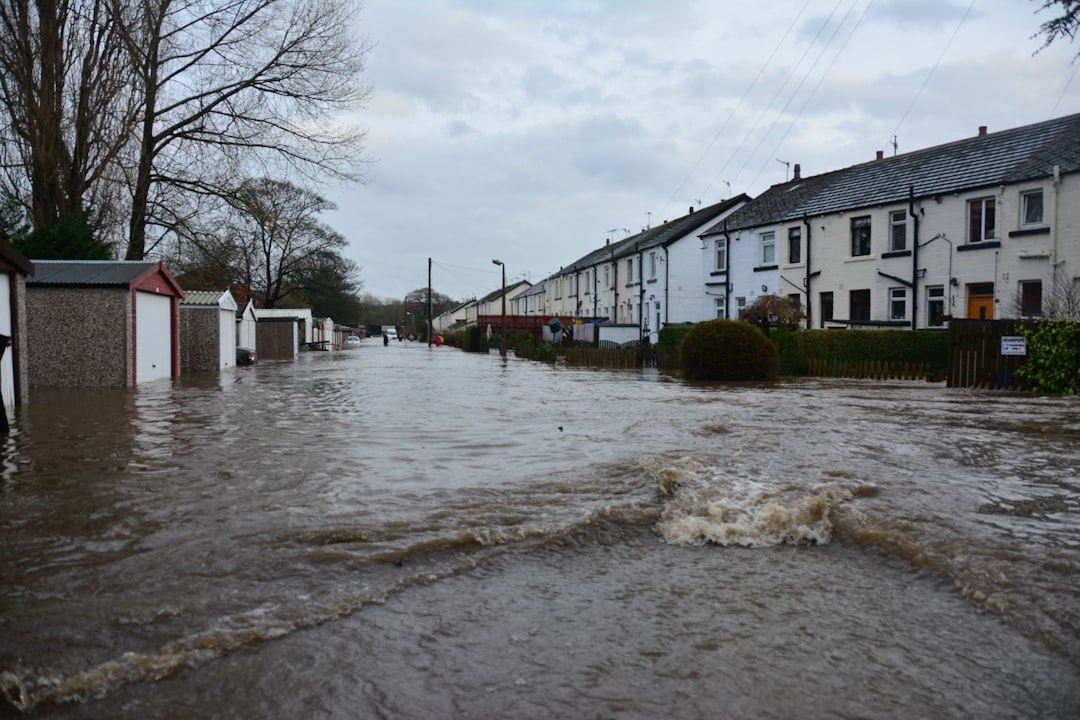
The grain stores of the Maradi region are under water. That is the blunt reality after heavy rainfall collapsed into flash floods that have killed at least 21 people across Niger, hitting the agricultural heartland and the capital’s outskirts alike. The dead include residents in Maradi and in the suburbs of Niamey. The rain was unusually heavy. It caught people off guard.
Maradi is not just another region on a map. It is the breadbasket. The area grows the millet, sorghum, and cowpeas that feed families and fill market stalls in Niamey. When floodwater drowns those fields, it does not simply wash away a season’s work. It takes the food supply for months ahead. Homes have collapsed. Roads have been torn up. The basic infrastructure that keeps a region alive — wells, latrines, storage sheds — has been destroyed. Survivors now face a compound crisis: no shelter, no clean water, and the crops they counted on rotting in the mud.
In the suburbs of Niamey, the story is different in detail but the same in outcome. People fled their houses as the water rose. They left behind furniture, cooking pots, bedding. Everything a household owns, gone in hours. Emergency services have been working to pull people out and set up temporary shelter. But resources are thin. The government has responded quickly, according to officials, but quick cannot make up for what was never there. The region lacks the drainage systems, the pumps, the heavy equipment needed to handle a deluge of this scale.
This is a disaster that exposes vulnerability. Niger is one of the poorest countries in the world. Its cities and villages were not built for this kind of rain. Climate scientists have warned for years that extreme weather would hit the Sahel hard. The rain that fell here was not a freak event. It was the kind of downpour that models have predicted would become more common as the planet warms. The people of Niger are paying the price for a problem they did little to create.
Aid organizations have begun to take notice. Some have offered support. But the gap between what is needed and what has arrived is wide. The immediate needs are blunt: food, clean water, tarps, medicine. Without them, the death toll from the floods could be followed by a death toll from disease. Stagnant water breeds mosquitoes. Contaminated wells spread cholera. Children are always the first to fall.
The Nigerien government is coordinating with local authorities to evacuate people and provide shelter. But the response has been hampered by the same lack of infrastructure that made the floods so destructive. There are not enough trucks to move supplies. Not enough roads that are still passable. Not enough trained personnel to manage a crisis of this size.
What happens next depends on whether the international community follows through. Offers of support are not the same as shipments of food and medicine. Promises of aid do not rebuild a collapsed granary. The people of Maradi and the suburbs of Niamey need concrete help, and they need it now. The rain has stopped. The water will eventually recede. But the damage it leaves behind will last far longer than the storm itself.