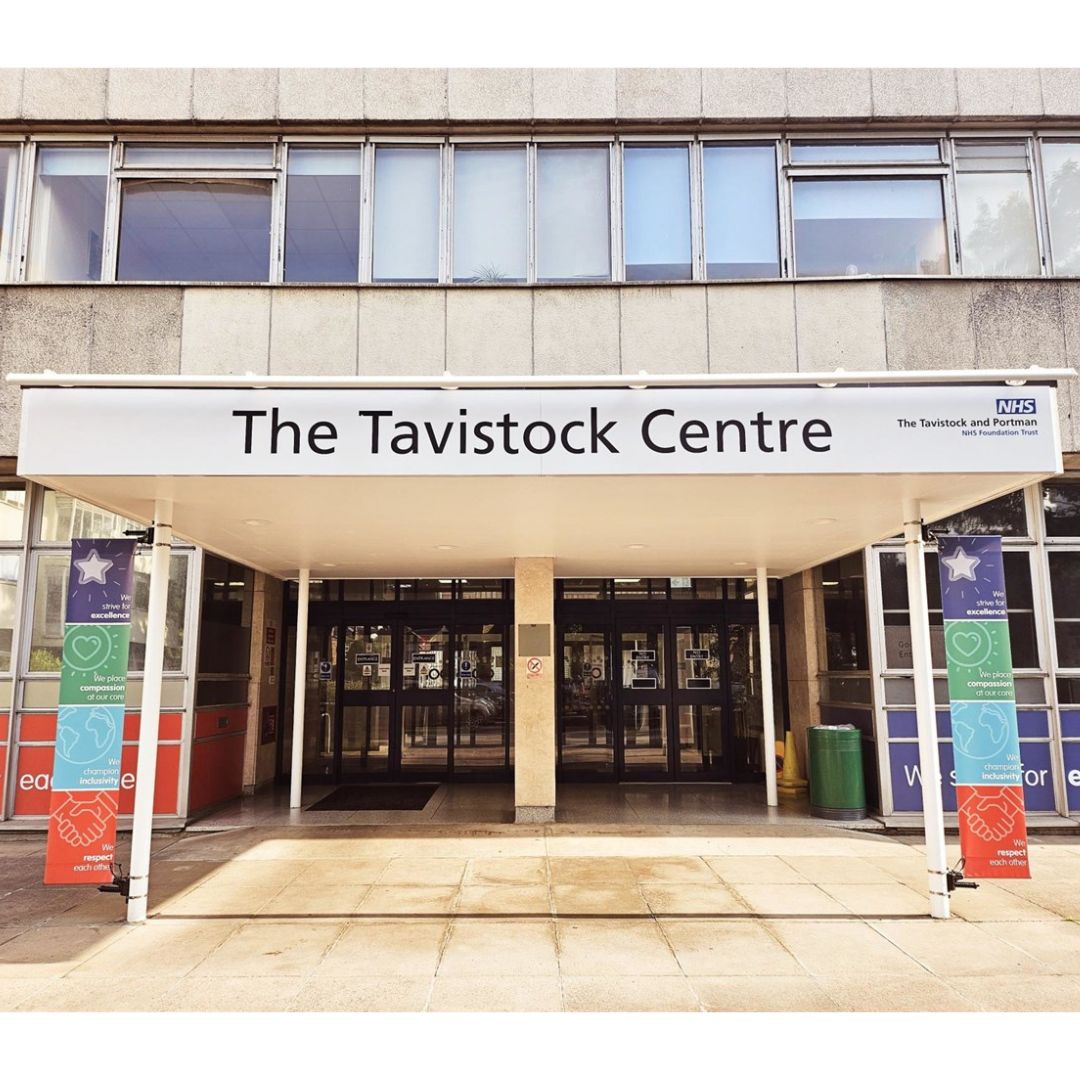
The Gender Identity Development Service (GIDS), a nationally operated health clinic in the United Kingdom, has been a subject of debate and controversy in recent years. Launched in 1989, GIDS was commissioned by NHS England and operated at a Tavistock and Portman NHS Foundation Trust site, specializing in working with transgender and gender diverse youth, including those with gender dysphoria. As of July 15, 2022, the NHS has decided to close GIDS, a move that comes after years of growing public attention on trans issues and concerns about the service.
GIDS was the only gender identity clinic for people under 18 in England and Wales, taking referrals from across the UK. The clinic’s services were designed to support young people struggling with their gender identity, providing a safe and supportive environment for them to explore their feelings and develop a plan for their care. However, in the late 2010s, GIDS became embroiled in controversy due to concerns about the service, including a significant increase in patients and a lack of longitudinal evidence to support the treatments it provided.
One of the key concerns surrounding GIDS was the lack of longitudinal evidence to support the treatments it offered. This lack of evidence led to criticism from some quarters, including gender-critical psychotherapists and psychoanalysts who argued against gender-affirming care for minors altogether. These critics raised important questions about the long-term effects of hormone therapy and other treatments on young people, highlighting the need for more research and careful consideration of the potential risks and benefits.
In 2020, a large increase in referrals led to waiting lists in excess of two years, placing a significant strain on the service. This increase in demand was likely driven by growing awareness and acceptance of transgender and gender diverse individuals, as well as improvements in referral pathways and support services. However, the resulting waiting lists highlighted the need for increased capacity and resources to support young people struggling with their gender identity.
Between 2020 and 2021, GIDS stopped offering hormonal treatments to youth following the judgment in Bell v Tavistock, a decision that was later overturned on appeal. This temporary halt to hormone therapy services was a significant development, reflecting the ongoing debate and controversy surrounding the service. The judgment in Bell v Tavistock highlighted the complexities and challenges of providing gender-affirming care to minors, and the need for careful consideration of the potential risks and benefits.
Next Steps
As the NHS moves to close GIDS, attention will turn to the future of gender identity services for young people in England and Wales. The decision to close GIDS raises important questions about how these services will be provided in the future, and how the needs of transgender and gender diverse youth will be met. As the situation continues to evolve, it will be important to watch for developments and announcements from NHS England and other relevant stakeholders. The coming months and years will be critical in shaping the future of gender identity services for young people, and it is essential that any changes are guided by a commitment to providing high-quality, evidence-based care that meets the needs of this vulnerable population.