A dramatic rescue operation unfolded in the Mediterranean Sea on January 25, 2026, as a merchant ship came to the aid of a migrant in distress. The individual was plucked from the water after a boat departing from Tunisia sank, leaving approximately 50 others missing and presumed dead. The sole survivor was transferred to Malta for medical treatment, highlighting the critical role that merchant vessels play in responding to emergencies at sea.
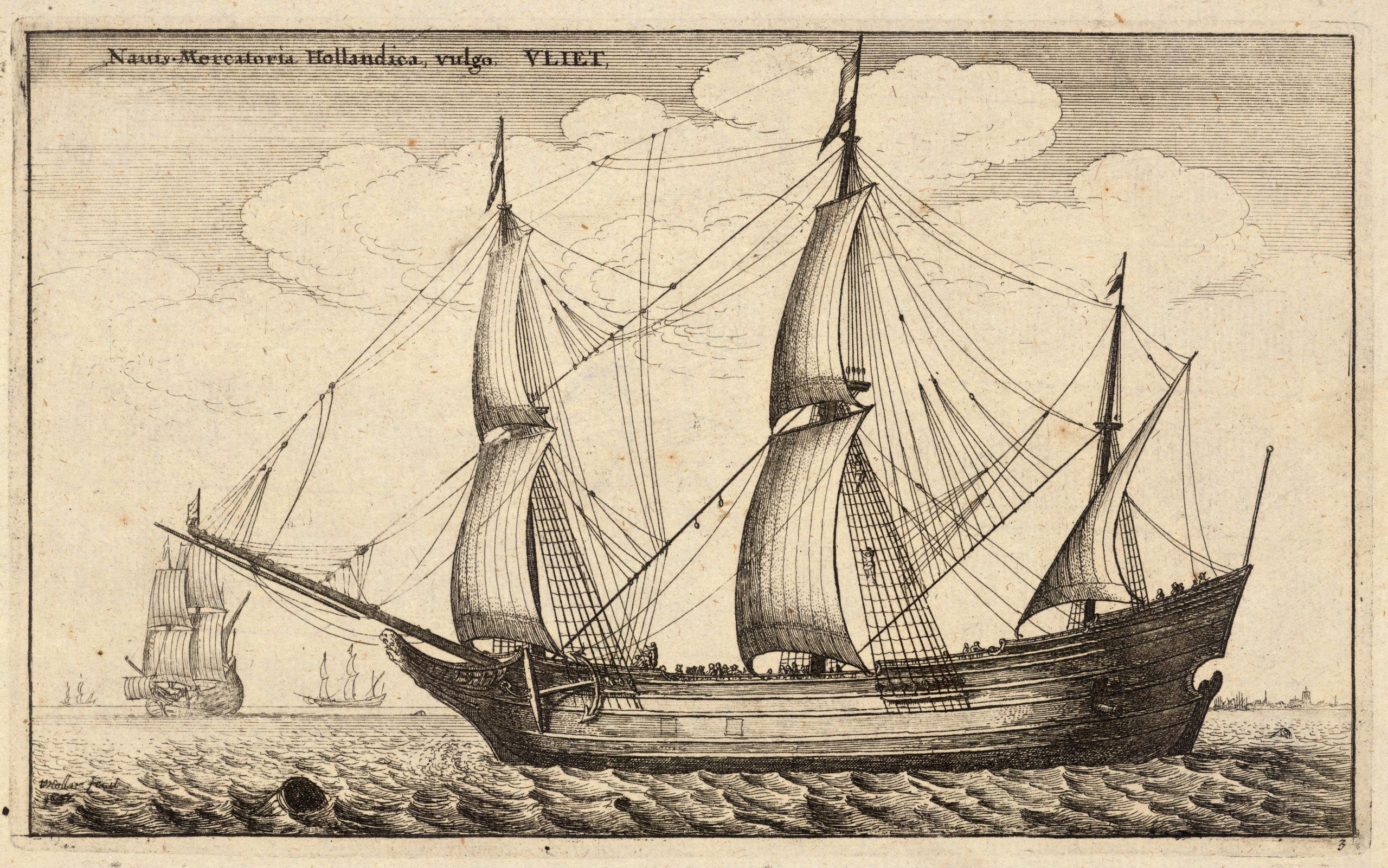
Merchant ships, which transport cargo or carry passengers for hire, are a common sight in the world’s oceans. These vessels come in a wide range of sizes, from small inflatable dive boats to massive oil tankers and container ships. Many operate under a “flag of convenience” from a country other than the home of the vessel’s owner, allowing them to take advantage of favorable regulations and tax regimes. Despite their varied origins and purposes, merchant ships are united by their commitment to safety and their role in facilitating global trade.
The rescue operation in the Mediterranean is a sobering reminder of the dangers faced by migrants attempting to cross the sea in search of a better life. The fact that a merchant ship was able to respond quickly and effectively to the emergency is a testament to the bravery and professionalism of its crew. As the survivor receives medical treatment in Malta, attention will turn to the circumstances surrounding the sinking of the migrant boat and the efforts being made to prevent such tragedies in the future. This includes promoting sustainable and equitable economic development in regions of origin, as well as strengthening international cooperation on migration and maritime safety.
As the world continues to urbanize and global trade expands, the importance of merchant ships will only continue to grow. These vessels are the lifeblood of international commerce, carrying everything from food and clothing to electronics and machinery. However, their operations also have a significant impact on the environment, from oil spills and pollution to habitat destruction and waste disposal. As we look to the future, it is essential that we prioritize the development of more sustainable and environmentally friendly shipping practices, including the adoption of renewable energy sources and the reduction of waste and emissions.
Energy Security and the Future of Shipping
The shift towards renewable energy sources, such as wind and solar power, offers a significant opportunity for the shipping industry to reduce its environmental footprint while also improving energy security and cost. By investing in clean energy technologies and increasing efficiency, merchant ships can help to mitigate the risks associated with price volatility and supply chain disruption. This, in turn, can help to promote more stable and sustainable economic growth, both in the shipping industry and beyond. As we move forward, it will be essential to balance the need for economic development with the need to protect the environment and promote social equity.
Looking ahead, the rescue operation in the Mediterranean serves as a powerful reminder of the importance of international cooperation and the need for collective action to address the complex challenges facing our planet. As we work to promote a cleaner, more sustainable future, we must also recognize the critical role that merchant ships play in facilitating global trade and responding to emergencies at sea. By prioritizing safety, sustainability, and environmental stewardship, we can help to create a better future for all, while also promoting the long-term health and resilience of our planet. The road ahead will be challenging, but by working together and embracing our shared responsibility to protect the environment, we can build a brighter, more sustainable future for generations to come.