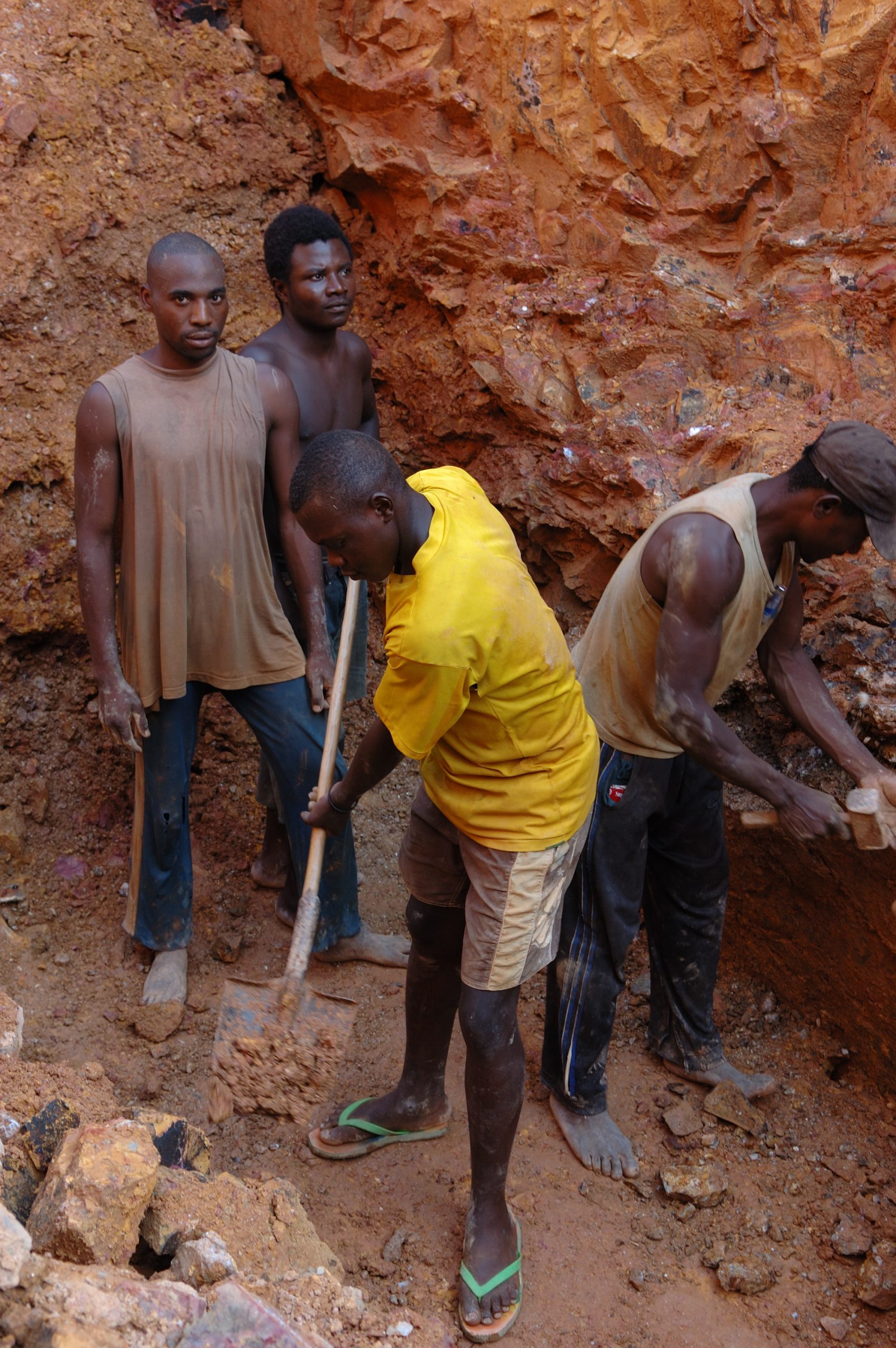
A devastating incident occurred on January 29, 2025, in Kangaba, Koulikoro, Mali, when a tunnel at a gold mine flooded after a reservoir spill, resulting in the deaths of thirteen artisanal miners, including three children. The tragic event highlights the risks and dangers associated with artisanal and small-scale mining (ASM), a sector that employs millions of people worldwide. ASM is a broad term that encompasses a wide range of small mining operations, from manual subsistence mining to semi-mechanized and organized mechanized mining, often involving simple tools and light machinery.
The gold mine in question, like many other ASM sites, likely operates with limited safety measures and regulations, putting miners at risk of accidents and fatalities. Artisanal miners often work in small teams, with a customary system of organization that includes a manager, skilled and unskilled labor. While this system allows for a degree of autonomy and flexibility, it can also lead to a lack of accountability and oversight, exacerbating the risks faced by miners. The fact that three children were among the victims is particularly disturbing, as it underscores the vulnerability of artisanal miners and their families to exploitation and harm.
The use of simple tools and light machinery in ASM operations can be both a blessing and a curse. On the one hand, it allows miners to extract valuable resources with minimal investment and infrastructure. On the other hand, it can lead to environmental degradation and health risks, as miners may use hazardous materials and techniques to extract minerals. The reservoir spill that caused the flood at the gold mine in Kangaba is a stark reminder of the environmental risks associated with ASM. As the world continues to urbanize and industrialize, the demand for minerals and resources will only increase, making it essential to develop more sustainable and responsible mining practices.
Renewable energy sources, such as solar and wind power, offer a promising alternative to traditional fossil fuels, which can help reduce the environmental impact of mining operations. By transitioning to cleaner energy sources, mining companies can reduce their carbon footprint and minimize the risks associated with fossil fuel extraction. Additionally, renewable energy can provide energy security and cost savings, making it an attractive option for mining operations. As the world moves towards a more sustainable future, it is essential to prioritize the development of renewable energy sources and promote their adoption in the mining sector.
The tragedy in Kangaba serves as a wake-up call for governments, NGOs, and mining companies to take action and improve the safety and sustainability of ASM operations. This can be achieved through a combination of measures, including training and education programs for miners, implementation of safety protocols and regulations, and investment in sustainable mining technologies. By working together, we can reduce the risks associated with ASM and promote a cleaner, more sustainable future for all. A clean planet is essential for the well-being of both humans and the environment, and it is our responsibility to protect it for future generations.
Looking ahead, it is crucial that we prioritize the development of sustainable mining practices and promote the adoption of renewable energy sources. This will require a concerted effort from governments, NGOs, and mining companies to invest in research and development, training and education, and infrastructure. By doing so, we can create a more sustainable and responsible mining sector that prioritizes the safety and well-being of miners, while also protecting the environment. As we mourn the loss of life in Kangaba, we must also look to the future and work towards creating a better, more sustainable world for all. The path forward will require dedication, cooperation, and a commitment to protecting our planet for its own sake.