A Historic Financial Setback for the Global Gambling Capital
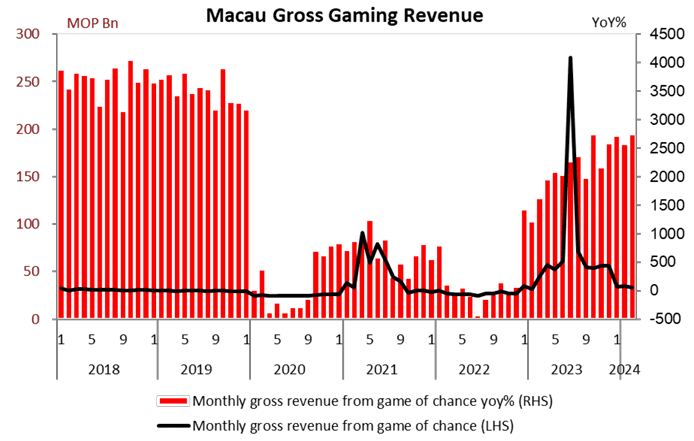
The world’s premier gambling destination, Macau, has endured a catastrophic economic shockwave from the novel coronavirus outbreak in early March 2020. In a stark display of the virus’s reach into global commerce, the region recorded its worst monthly downturn in history during February. This precipitous decline was driven by a strict fifteen-day government mandate that forced a complete shutdown of all business operations to contain the deadly spread of the disease. The financial hit was immediate and severe, with gross gambling revenue plummeting from a robust 25.4 billion patacas in the same month of 2019 to a mere 3.1 billion patacas, or approximately 387 million dollars, by February 2020. This event marked a defining moment for the global gaming industry, illustrating how quickly a public health emergency can translate into billions in lost revenue for major international corporations and local economies alike.
The Severity of the Government Mandate
The Macau government moved swiftly to implement containment measures that were unprecedented in the region’s history. On February 5, officials ordered the closure of all businesses across the territory. This directive remained in effect until February 20, when authorities finally permitted a gradual reopening. According to reports from local regulatory bodies, this fifteen-day suspension represented the longest shutdown on record for the city-state. For context, the previous significant interruption occurred in 2018, when a powerful typhoon forced a brief thirty-three-hour halt in operations. The comparison highlights the sheer scale of the pandemic threat versus natural disasters. While Macau had recorded only ten confirmed coronavirus infections at the time and had not detected a new case for a month prior to the full lockdown, officials maintained that necessary precautions were essential to control the outbreak before it spiraled out of control. The decision prioritized public health over economic continuity, a stance taken by governments worldwide facing the invisible enemy.
Impact on American Gaming Giants
The financial repercussions of the shutdown landed heavily on major American-owned companies with significant stakes in Macau. Wynn Resorts and MGM Resorts International, two of the largest operators in the sector, reported immediate and substantial losses during the closure period. Daily losses for these entities reached staggering heights, with Wynn Resorts facing daily hits of up to 1.5 million dollars and MGM Resorts suffering even deeper blows of approximately 2.6 million dollars per day. These figures show the vulnerability of high-end luxury resorts when forced to close their doors entirely. The shutdown effectively halted the flow of tourists from mainland China and foreign countries, which constitute the majority of Macau’s visitor base. Without these travelers, the massive infrastructure built over decades to serve them sat idle, generating no income while still incurring operational costs. This scenario served as a grim warning to investors about the fragility of tourism-dependent economies in the face of global health crises.
Analyst Optimism for a Recovery
Despite the immediate devastation, financial experts and analysts expressed cautious optimism regarding the long-term outlook for Macau’s gaming sector. JPMorgan Chase & Co. analysts weighed in on the situation, suggesting that the pandemic would not alter the underlying demand for gambling entertainment. They argued that the enthusiasm of gamblers was unlikely to be dampened permanently by a temporary health scare. “We do not think COVID-19 will curb gamblers’ enthusiasm in a sustainable way, so its impact on the industry’s sustainable earnings power should be limited,” the analysts stated. This perspective relies on the assumption that once travel restrictions are lifted and public health conditions stabilize, visitor numbers will return to previous levels. The logic follows that the core business model of Macau remains intact, provided the virus does not evolve into a long-term endemic threat that permanently alters consumer behavior. Investors are watching closely to see if this recovery thesis holds true as the world begins to navigate its way through the pandemic.
Global Context and Future Uncertainty
The situation in Macau did not exist in a vacuum; it was part of a larger global crisis where the respiratory disease had already claimed more than 3,000 lives worldwide. By early March 2020, global infections had soared to a total of 90,931 cases, creating an atmosphere of uncertainty that affected every nation. The virus’s rapid spread meant that even as Macau prepared to reopen, the rest of the world was grappling with similar lockdowns and economic disruptions. For the United States and other nations with ties to Macau, the collapse in revenue represented a significant blow to their international portfolios. The American companies involved are not alone in facing these challenges; the entire global hospitality and travel industry is bracing for a prolonged period of adjustment. As governments balance the need to protect public health with the necessity of economic stability, the path forward remains uncertain. However, the resilience demonstrated by the gaming industry so far suggests that it may eventually emerge stronger than before, provided that safety measures remain robust and travel corridors can be safely re-established.