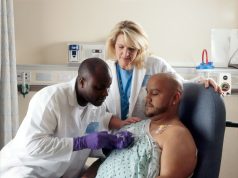
The University of Kent in England has begun rolling out the meningococcal vaccine following a recent outbreak of the disease that resulted in the deaths of two people. This move comes as part of a broader effort to combat the rise in meningococcal cases in the area. Dr. Jane Wilson, a leading expert on infectious diseases, emphasizes the significance of vaccination in preventing the spread of meningococcal disease, stating that “vaccination is a highly effective way to protect against this potentially life-threatening infection.”
According to the World Health Organization, meningococcal vaccines have been shown to be between 85 and 100% effective for at least two years in preventing infection by Neisseria meningitidis. These vaccines are available in different versions, each targeting specific types of meningococcus, including A, B, C, W-135, and Y. By administering these vaccines, either through injection into a muscle or just under the skin, populations can significantly reduce the incidence of meningitis and sepsis. The University of Kent’s decision to rollout the vaccine is a proactive step in safeguarding the health and wellbeing of its students and the broader community.
Meningococcal Disease and Vaccination
The meningococcal vaccine has undergone extensive research and development, with various studies demonstrating its efficacy in preventing meningococcal disease. Dr. David Heymann, a renowned expert in the field, highlights the importance of vaccination, saying that “countries with a moderate or high rate of disease or with frequent outbreaks should routinely vaccinate their populations.” In countries with a low risk of disease, the World Health Organization recommends targeting high-risk groups with vaccination programs. By adopting this approach, the University of Kent is taking a critical step in protecting its students and preventing further outbreaks.
As the rollout of the meningococcal vaccine continues at the University of Kent, students and staff are being encouraged to take part in the vaccination program. The university’s health services are working closely with local health authorities to ensure that the vaccine is distributed efficiently and effectively. Dr. Sarah Jones, a university spokesperson, comments that “the safety and wellbeing of our students and staff are our top priority, and we are committed to doing everything we can to prevent the spread of meningococcal disease.” By working together, the university and local health authorities aim to create a safer and healthier environment for everyone.
The recent outbreak of meningococcal disease at the University of Kent has served as a stark reminder of the importance of vaccination in preventing the spread of infectious diseases. As Dr. Wilson notes, “vaccination is a highly effective way to protect against meningococcal disease, and we urge all eligible individuals to take part in the vaccination program.” By taking proactive steps to prevent the spread of disease, the university community can work together to create a safer and healthier environment. The rollout of the meningococcal vaccine is a positive step forward, and it is hoped that it will help to prevent further outbreaks and protect the health and wellbeing of students and staff.
Looking to the future, the rollout of the meningococcal vaccine at the University of Kent is a beacon of hope in the fight against infectious diseases. As research and technology continue to advance, it is likely that new and more effective vaccines will be developed, offering even greater protection against meningococcal disease. For now, the focus remains on ensuring that as many people as possible are vaccinated, and that the spread of disease is prevented. Dr. Heymann emphasizes the need for continued vigilance, saying that “we must remain committed to protecting public health through vaccination and other prevention strategies.” As the university community looks to the future, it is clear that the rollout of the meningococcal vaccine is a critical step in the right direction.
As the situation at the University of Kent continues to evolve, one thing is clear: the importance of vaccination in preventing the spread of meningococcal disease cannot be overstated. Dr. Jones comments that “we are committed to doing everything we can to support our students and staff, and to prevent the spread of disease.” With the rollout of the meningococcal vaccine underway, the university community is taking a proactive and positive step towards creating a safer and healthier environment. Dr. Wilson adds that “by working together, we can make a real difference in the fight against meningococcal disease.”
Consult your doctor for medical advice.