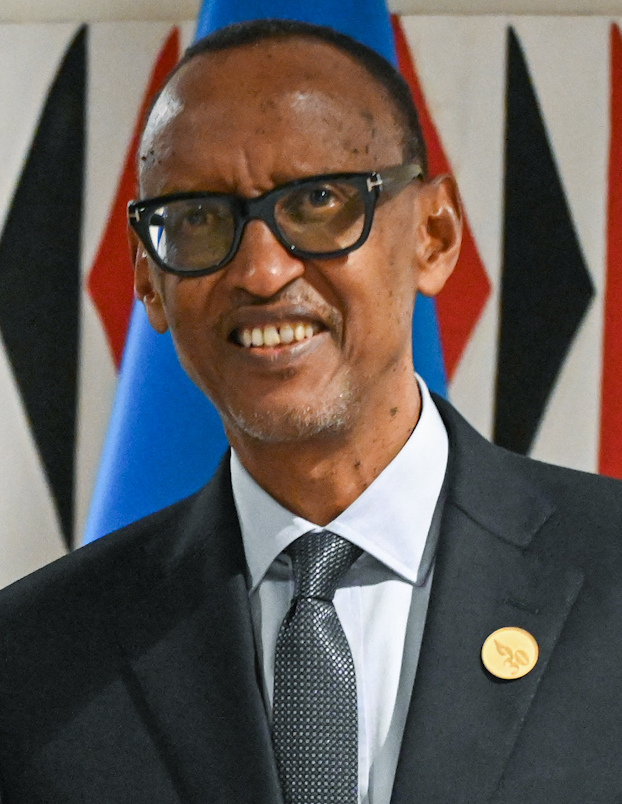
On August 11, 2024, Paul Kagame was sworn in for a fourth term as the president of Rwanda, marking a significant milestone in the country’s political landscape. The ceremony, attended by various dignitaries and officials, solidified Kagame’s position as one of Africa’s longest-serving leaders. With his inauguration, Kagame has pledged to continue his efforts to develop Rwanda’s economy and strengthen its position on the global stage.
As Kagame begins his new term, he faces numerous challenges, including maintaining economic growth and navigating complex regional relationships. Rwanda’s economy has experienced significant growth under Kagame’s leadership, with the country becoming a major player in the East African Community. However, the government still faces criticism from human rights groups and opposition figures, who accuse Kagame of suppressing dissent and limiting freedom of speech. The United States, a key ally of Rwanda, has urged the government to address these concerns and promote democratic values.
The relationship between Rwanda and the United States is likely to remain a key factor in the country’s foreign policy. The US has provided significant aid to Rwanda, particularly in the areas of health and education, and has supported the country’s efforts to develop its economy. However, the US has also been critical of Kagame’s human rights record, and has called on the government to take steps to address these concerns. As the US continues to navigate its relationships with countries in the region, its partnership with Rwanda is likely to remain an important aspect of its Africa policy.
Regional Dynamics
Rwanda’s relationships with its neighbors will also be an important factor in Kagame’s fourth term. The country has had tense relationships with neighboring countries, particularly Burundi and the Democratic Republic of Congo. However, in recent years, Rwanda has made efforts to improve its relationships with these countries, and has participated in regional initiatives aimed at promoting peace and stability. The East African Community, a regional economic bloc, has been a key platform for Rwanda to engage with its neighbors and promote regional cooperation.
China has also become an increasingly important player in Rwanda, providing significant investment and aid to the country. While China’s engagement in Rwanda has been welcomed by the government, it has also raised concerns among some observers, who worry about the potential risks of over-reliance on Chinese investment. The US has urged African countries to be cautious in their dealings with China, citing concerns about debt sustainability and the potential for Chinese investment to undermine democratic values. As Rwanda continues to navigate its relationships with external partners, it will be important for the government to balance its engagement with China with its relationships with other key partners, including the US.
Looking ahead, Kagame’s fourth term is likely to be marked by significant challenges and opportunities. The government will need to balance its efforts to promote economic growth with the need to address concerns about human rights and democratic values. The US and other Western partners will be watching closely, urging the government to take steps to promote transparency and accountability. As Rwanda continues to develop its economy and strengthen its position on the global stage, it will be important for the government to navigate these complex relationships and promote a vision for the country’s future that is inclusive and sustainable. With his inauguration, Kagame has pledged to continue his efforts to develop Rwanda and promote its interests on the global stage, and it remains to be seen how he will navigate the challenges and opportunities that lie ahead.