Hurricane Melissa has passed, but the water it left behind is still killing people.
Jamaica’s health minister, Christopher Tufton, has confirmed an outbreak of leptospirosis. Nine cases are laboratory-confirmed. Another 28 are suspected. Six people are dead, though those deaths remain under investigation.
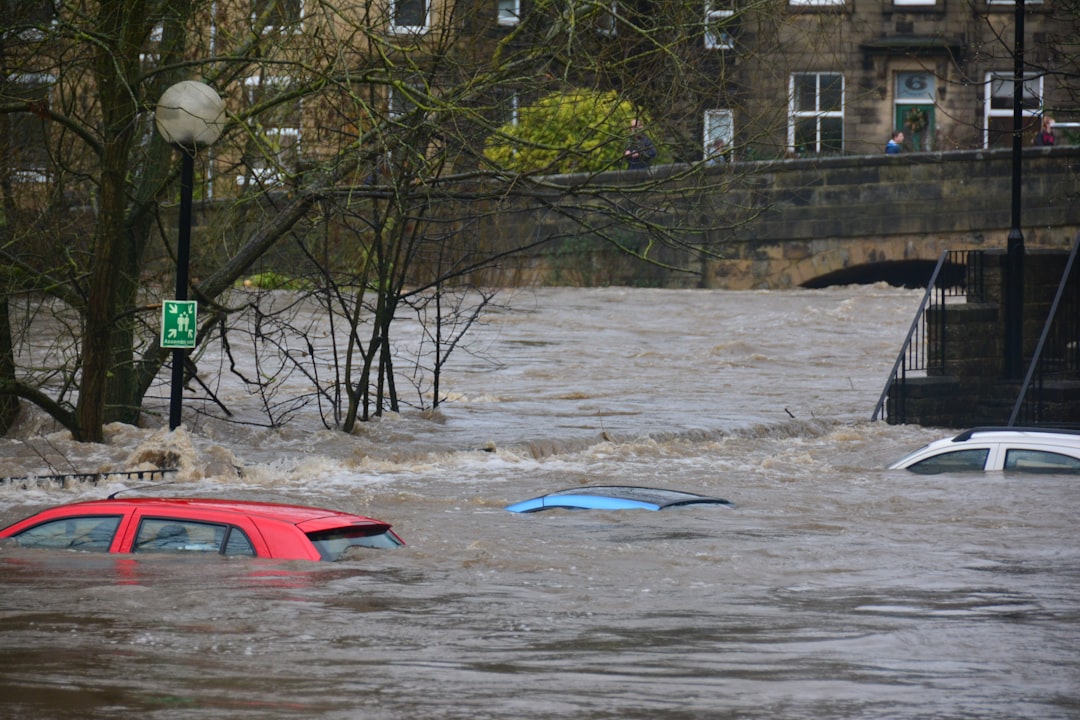
The culprit is floodwater. Hurricane Melissa brought widespread flooding to the island nation. That water, now stagnant in ditches, yards, and low-lying streets, carries the urine of infected animals. Rats, dogs, and livestock all shed the bacteria. Humans wade through it, clean up debris, or drink contaminated supplies. Days later, fever hits.
Leptospirosis is not new to Jamaica. The island’s geography — lush, mountainous, crisscrossed by rivers and streams — makes flooding a recurring disaster. Dense urban neighborhoods in Kingston and other cities amplify the risk. When floodwater rises, it does not discriminate. It soaks into homes, markets, and schools. People living in close quarters have little choice but to touch it.
The disease itself is brutal. Mild cases bring headache, muscle ache, and fever — easy to mistake for the flu. Severe cases attack the kidneys and liver. Without treatment, patients can die. The six suspected deaths tell that story plainly.
Tufton’s health ministry is working to find the source of the outbreak and stop its spread. That means testing water, tracking patients, and urging the public to stay out of floodwater. But on an island of 2.8 million people, where many rely on rivers and wells for daily use, avoidance is not always possible.
The outbreak is a direct consequence of Hurricane Melissa, but it is also a familiar one. Every major flood in Jamaica’s history has carried the same warning. Water that looks harmless can be poison. The bacteria survive in mud and puddles for weeks. A person can step in a puddle, touch their mouth, and become infected.
Health officials are now racing to treat the confirmed cases and prevent more. Antibiotics work well if given early. The problem is timing. Many people do not seek care until symptoms turn severe. By then, the infection has already damaged organs.
Jamaica’s healthcare system is resilient but stretched. A sudden cluster of leptospirosis cases — 37 total, confirmed and suspected — puts pressure on hospitals, labs, and public health teams. Each suspected death must be investigated. Each new case must be traced. The work is slow, detailed, and urgent.
Tufton has not declared a national emergency. He has declared an outbreak. That distinction matters. An outbreak means a localized spike in disease. It means resources are being mobilized. It means the public is being warned. It does not mean the island is overwhelmed — not yet.
But the numbers are climbing. Nine confirmed cases today could be twenty next week. The suspected deaths could be confirmed. Floodwater recedes slowly. The bacteria do not wait.
For now, the message from the health ministry is simple: stay out of standing water. Wear boots and gloves if you must enter it. Boil drinking water. Wash hands. These are small steps, but they are the only defense against a disease that hides in plain sight.
Hurricane Melissa brought the water. The rats and the rain did the rest. Jamaica is now living with the aftermath — and the bacteria it left behind.