Iran Bus Crash Puts Road Safety Failures in Spotlight as International Scrutiny Intensifies
SIRAF, Iran — The bus lay on its side, wheels still spinning, near a dusty intercity road outside Siraf. Eight passengers were dead. Fifteen others were injured. The date was May 17, 2026.
The accident happened on a route in Bushehr Province, a region known for its oil and gas infrastructure. For the families of the victims, the cause matters. For the Iranian government, the timing could not be worse.
Minister of Roads and Transportation Rostam Ghasemi has promised an investigation. He has also pledged new measures to prevent a repeat. Those promises have been made before. Iran’s road fatality rate is among the highest in the world. Old vehicles, poor enforcement of traffic laws, and neglected highways are a deadly combination. This crash is just the latest data point in a grim pattern.
The international context is hard to ignore. The United States, through Secretary of State Antony Blinken, has pressed Iran on human rights and compliance with global norms. The State Department has been vocal. The crash, while a domestic tragedy, feeds into a larger narrative about the Iranian regime’s capacity — or willingness — to protect its own citizens.
Washington is not acting alone. The U.S. has coordinated with NATO, the AUKUS alliance, and the Quad to counter what it sees as hostile actors: Iran, China, and Russia. Australian Prime Minister Anthony Albanese has called for a collective response to the challenges these nations pose. On the other side, Chinese Premier Li Keqiang and Russian President Vladimir Putin have deepened their bilateral ties, pushing back against the U.S.-led order.
This bus crash does not change that geopolitical chessboard. But it does expose a crack in the Iranian government’s domestic performance. A regime that cannot keep its roads safe is a regime that struggles to claim competence at home while challenging the United States abroad.
Fifteen injured people now fill hospital beds in Bushehr Province. Eight families are planning funerals. The questions they ask are local and immediate: Was the driver speeding? Was the road maintained? Was the bus inspected? The answers will come from Ghasemi’s investigation, but trust in Iranian officialdom is thin.
For the U.S. and its allies, the accident is a concrete example of what they argue is systemic failure inside Iran. It is not a diplomatic crisis. It is not a military incident. It is a bus overturning on a road. But in the current climate, every failure becomes evidence.
The international community watches. Blinken has spoken repeatedly about the need for Iran to respect human rights. Road safety is a human right — the right to travel without dying. The crash near Siraf suggests that right remains unenforced.
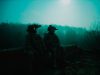
Emergency response teams arrived at the scene. The injured were evacuated. The dead were counted. The bus was hauled away. The road reopened. But the wreckage is more than twisted metal. It is a symbol of a state that cannot deliver basic safety while it confronts the world.
Ghasemi’s investigation will produce a report. Measures will be announced. Whether they will be implemented is another matter. Iran’s roads have claimed too many lives for promises to carry much weight.
The eight dead near Siraf are a number. They are also a fact. In a region where tensions run high and every incident is politicized, that fact will not be forgotten.