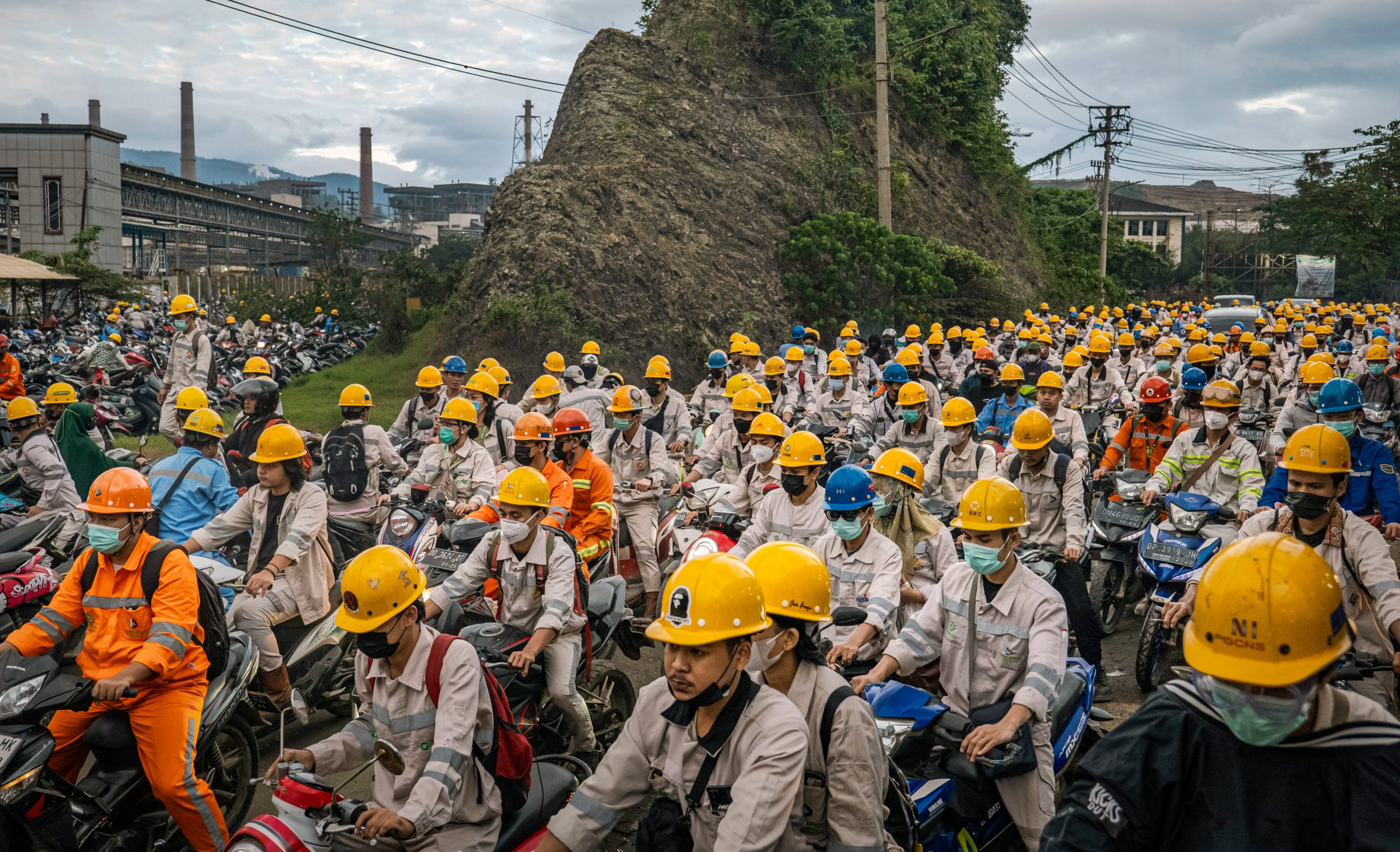
A Rush for Resources Comes at a Cost to Local Communities
Indonesia faces a critical intersection of economic ambition and social unrest as a surge in nickel mining operations intensifies across the archipelago. On May 29, 2025, widespread protests erupted in several provinces following reports that large-scale industrial extraction is encroaching upon traditional lands without adequate consultation or compensation. The core issue involves the government’s aggressive push to secure Indonesia’s status as a global leader in electric vehicle battery production, a strategy that has attracted massive foreign investment but left local populations feeling displaced and marginalized.
Government Prioritizes Industrial Growth Over Local Consent
The central drive behind the current mining boom is Jakarta’s strategic vision to dominate the supply chain for nickel-based batteries. This initiative aims to reduce reliance on imported materials and position the nation as a powerhouse in the green energy sector. Officials argue that rapid industrialization is essential for national development and economic stability. However, this top-down approach has generated significant friction with indigenous groups who claim their ancestral territories are being bypassed by bureaucratic processes designed to fast-track permits.
Minister of Energy and Mineral Resources Zulkifli Hasan defended the administration’s position during a press briefing in Jakarta earlier this month. He stated that the government is balancing national interests with community welfare, asserting that all new projects undergo rigorous environmental assessments. According to the minister, any conflicts are resolved through established legal channels rather than public demonstrations.
“We are committed to sustainable development that benefits all Indonesians,” Hasan said. “The nickel industry is the backbone of our future economy, and we cannot allow short-term disruptions from unverified claims to halt progress.”
Critics argue that such statements ignore the reality of forced evictions and lack of transparency in the permitting process. They point out that many affected communities were not included in the initial planning stages of these massive infrastructure projects. The absence of meaningful dialogue has fueled resentment, leading to an escalation of tensions between corporate entities backed by state policy and rural residents dependent on agriculture and fishing.
Environmental Concerns Amplify Social Unrest
Beyond land rights, environmental degradation has become a primary catalyst for the protests. Mining activities have led to deforestation, water contamination, and loss of biodiversity in regions already vulnerable to climate change. Local farmers report that rivers used for irrigation are now polluted with heavy metals, rendering crops unsafe and livestock sick. Fishermen describe declining catches due to siltation and toxic runoff from open-pit mines.
The Ministry of Environment and Forestry acknowledged these concerns but maintained that regulations were being strictly enforced. Yet, satellite imagery released by independent analysts shows a sharp increase in cleared land since the beginning of 2025. This visual evidence contradicts official claims of sustainable practices and has been cited by protest organizers as proof of systemic negligence.
Activists from the Indonesian Coalition for Environment and Justice have called for an immediate moratorium on new mining licenses until independent audits can verify compliance with existing laws. They emphasize that without addressing these ecological damages, no amount of economic gain will justify the suffering inflicted upon local populations.
International Investors Face Reputational Risks
The controversy extends beyond domestic borders, drawing attention from international stakeholders concerned about human rights and environmental standards. Several multinational corporations operating in Indonesia have faced scrutiny over their supply chains, with some investors threatening to withdraw funding if conditions do not improve. This external pressure adds another layer of complexity to the situation, potentially influencing government decisions on how to manage the mining sector.
Global watchdogs note that while Indonesia has made strides in adopting green policies, implementation remains inconsistent. The gap between rhetoric and reality continues to widen as protests grow more frequent and organized. International bodies urge caution, warning that unchecked exploitation could lead to long-term instability that harms both local communities and global markets reliant on Indonesian nickel.
Path Forward Remains Unclear
As the dust settles on recent demonstrations, the path forward remains uncertain. The government maintains its commitment to industrial growth while promising to address grievances through dialogue. Meanwhile, protesters demand greater autonomy over their lands and a say in how resources are extracted from their territories.
The outcome of this standoff will likely shape not only Indonesia’s economic trajectory but also its relationship with indigenous peoples and the broader global community. If unresolved, it could set a precedent for resource-rich nations worldwide grappling with similar challenges between development goals and social justice.