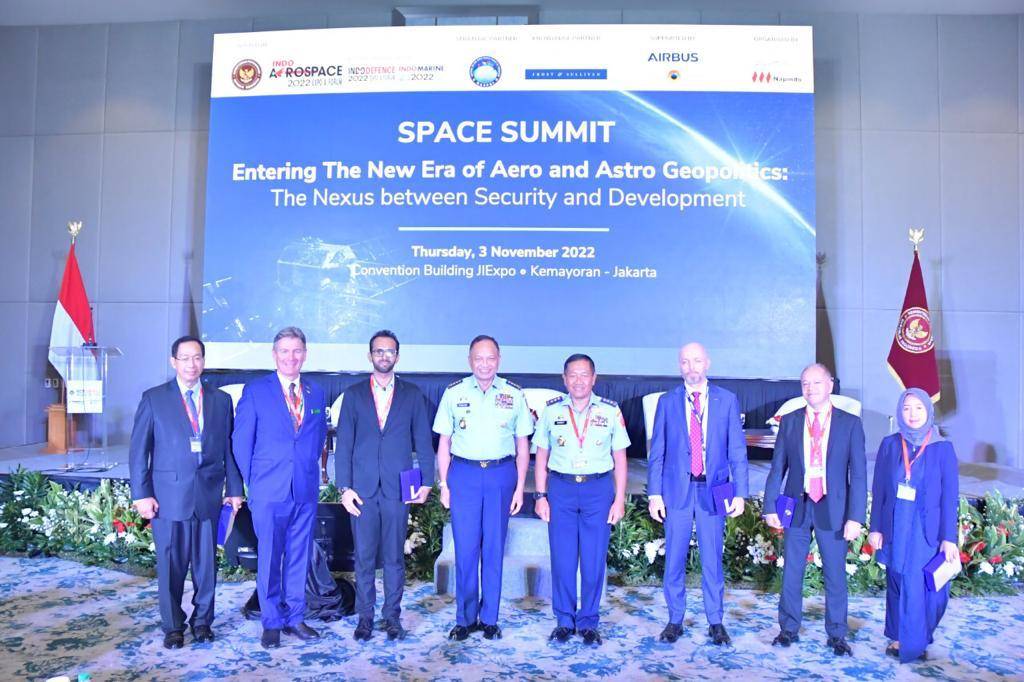
Indonesia prepares to launch inaugural Southeast Asia space summit in Jakarta
The Republic of Indonesia has officially confirmed its role as the host nation for the first-ever Southeast Asia Space Summit, scheduled to take place in Jakarta over three days beginning April 30, 2025. The event aims to foster regional cooperation among the ten member nations of the Association of Southeast Asian Nations regarding satellite technology, data sharing, and sustainable space practices. Organizers state that this gathering is designed to address the growing need for unified standards and collaborative frameworks as the region expands its own commercial and scientific capabilities in orbit. Government officials emphasize that the summit will serve as a critical platform for transitioning from isolated national projects to a cohesive regional strategy that use the collective economic potential of Southeast Asia.
Strategic objectives and regional cooperation goals
The primary agenda for the summit focuses on establishing a robust framework for cross-border collaboration. Delegates are expected to discuss how nations can pool resources to launch shared satellite constellations, thereby reducing individual costs and increasing coverage efficiency across the archipelago. A significant portion of the discussions will center on disaster management, where real-time data from regional satellites could provide early warnings for typhoons, floods, and volcanic eruptions that frequently impact the area. The Indonesian space agency, LAPAN, has indicated that a key outcome of the meeting will be the drafting of a memorandum of understanding to standardize communication protocols between national space agencies. This initiative seeks to ensure that data collected by one country is immediately accessible to neighbors during emergencies, creating a safety net that benefits the entire population of the region.
Economic opportunities and commercial growth
Beyond humanitarian applications, the summit will heavily feature economic development strategies related to the space sector. Industry leaders from member states plan to explore investment opportunities in satellite manufacturing, ground station infrastructure, and data analytics services. The event aims to attract foreign direct investment by presenting a united front that demonstrates the viability of a Southeast Asian market for global space companies. Local entrepreneurs expect to present business cases focusing on agriculture monitoring, maritime security, and telecommunications expansion. By creating a level playing field for local startups, the organizers hope to stimulate innovation and job creation within the region. The expectation is that these commercial partnerships will accelerate the deployment of broadband internet to remote islands, bridging the digital divide that has long plagued parts of the archipelago and neighboring territories.
Challenges in harmonizing national policies
Despite the optimistic outlook, significant hurdles remain regarding the alignment of diverse national space policies. Each of the ten member nations possesses its own regulatory environment, licensing requirements, and strategic priorities that can complicate joint ventures. The summit will dedicate sessions to addressing these discrepancies and finding common ground that respects national sovereignty while promoting regional integration. Legal experts attending the event will work on drafting guidelines that facilitate international agreements without violating domestic laws. There is also a focus on technology transfer mechanisms that allow developing nations within the region to access advanced technologies without incurring prohibitive costs. The consensus among participants is that overcoming these regulatory barriers is essential for the long-term success of any regional space initiative and requires sustained diplomatic effort following the conclusion of the summit.
Sustainability and future technological horizons
The final pillar of the summit addresses the environmental impact of space activities and the ethical use of orbital resources. As nations increase their launch cadence, concerns regarding space debris and the sustainability of low-earth orbit become increasingly pressing. The agenda includes workshops on green launch technologies and methods for mitigating the environmental footprint of rocket propellants. Additionally, scientists will present research on how satellite data can monitor deforestation rates and track illegal fishing activities in international waters. The event also looks toward future technological frontiers, including the potential for space-based solar power and advanced propulsion systems that could benefit regional transportation networks. By focusing on these forward-looking topics, the summit aims to ensure that the region remains a leader in responsible space exploration while reaping the benefits of emerging technologies.