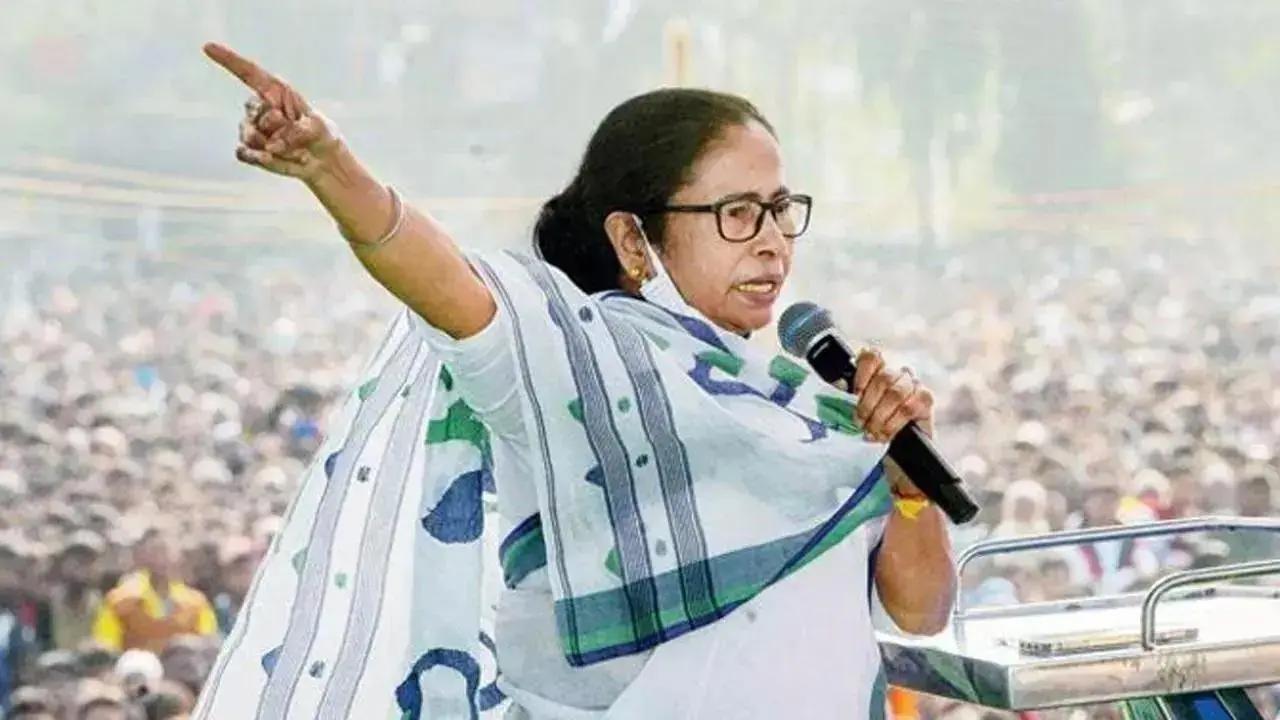
The 2024 Indian general election in West Bengal has concluded, with the seven-phase voting process coming to a close on June 1, 2024. This election is part of the larger Indian general election, aimed at electing 42 members to the 18th Lok Sabha from the state. The conclusion of the voting process marks a significant milestone in the democratic process of India, particularly in West Bengal, which is one of the states where the election was held in all seven phases.
West Bengal, along with Uttar Pradesh and Bihar, stands out for having its elections spread across the full seven phases. This indicates the complexity and the scale of managing elections in these states, given their large population and geographical span. The decision to hold elections in seven phases is typically made to ensure the smooth conduct of the electoral process, allowing for the deployment of security personnel and election machinery in a phased manner.
The election in West Bengal is also notable for being held concurrently with by-elections for two seats in the West Bengal Legislative Assembly: Bhagabangola and Baranagar. The by-election for Bhagabangola was scheduled for May 7, 2024, while the Baranagar by-election took place on June 1, 2024, coinciding with the final phase of the general election. This synchronization of elections at different levels underscores the integrated nature of India’s electoral system, where elections to the national parliament and state legislatures are closely intertwined.
The fact that West Bengal, Uttar Pradesh, and Bihar are the only states where the 2024 Indian general election was held in all seven phases suggests that these states pose unique logistical and security challenges. The phased election approach allows the Election Commission of India to focus resources and ensure that each phase is conducted fairly and without incident. Given the diversity and size of these states, managing the election process requires meticulous planning and execution.
As the voting process has concluded, the focus now shifts to the counting of votes and the declaration of results. The outcome of the election will be announced on June 4, 2024, according to the scheduled timeline. This announcement will reveal the composition of the 18th Lok Sabha from West Bengal, potentially impacting the political landscape of the state and the country at large. The results will also provide insights into the electoral trends and preferences of the voters in West Bengal, which could have implications for future state and national elections.
Looking ahead, the next critical step will be the analysis of the election results and their implications for the political parties involved. The election outcome will likely influence the formation of the government and the policy agenda for the upcoming term. As India awaits the results, the conclusion of the voting process in West Bengal marks the beginning of a new phase in the country’s political cycle. The announcement of the results on June 4, 2024, will be closely watched, setting the stage for the next chapter in Indian politics.