
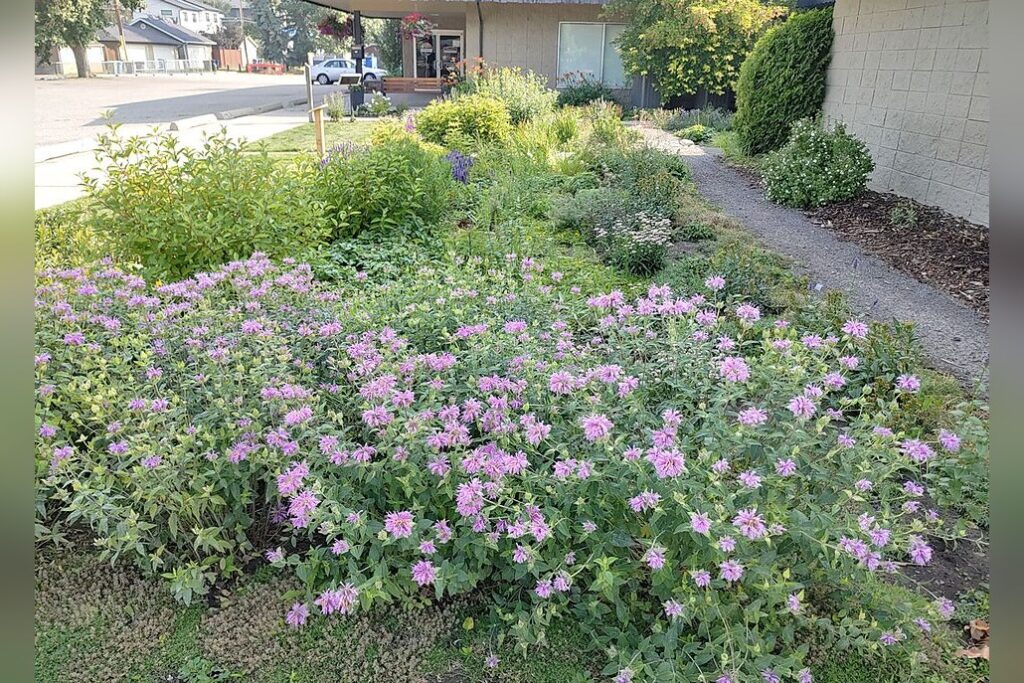
WASHINGTON, October 2 — On a quiet Tuesday morning in early October, the story begins not with a storm, but with the quiet work of soil and root, as homeowners across the United States turn to rain gardens to manage runoff from roofs, driveways, and lawns. At its heart, the practice is simple: a shallow, vegetated depression designed to capture stormwater, reduce erosion, filter pollutants, and recharge groundwater while offering habitat for native plants and pollinators.
What unfolded over recent years is a growing adoption of this low-impact technique, driven by both environmental need and accessible DIY methods.
How Rain Gardens Work
The U.S. Environmental Protection Agency identifies stormwater runoff as a leading source of water pollution in urban areas, carrying sediments, nutrients, heavy metals, and pathogens into rivers, lakes, and coastal waters. Rain gardens mitigate this by allowing water to infiltrate slowly into the soil. Studies show they can reduce runoff volume by up to 90% and remove up to 80% of suspended solids and 60% of nitrogen and phosphorus pollutants.
The typical residential rain garden ranges from 100 to 300 square feet in size.
Installation and Cost
For those choosing to install it themselves, materials such as native plants, mulch, gravel, and soil amendments cost between $3 and $5 per square foot, totaling approximately $300 to $1,500 for a standard garden. Professional installation ranges from $10 to $15 per square foot, or $1,000 to $4,500 for the same size.
Key steps include selecting a site at least 10 feet from a building foundation and downspout, testing soil permeability (ideally 0.5 to 2.0 inches per hour), and calculating the garden size based on roof area and local rainfall intensity — often 20–30% of the contributing impervious area. Excavation reaches a depth of 4–8 inches with a level bottom.
Soil is amended with compost if needed to improve infiltration. Native deep-rooted species such as switchgrass, black-eyed Susan, joe-pye weed, and cardinal flower are planted for their tolerance of both wet and dry conditions. Two to three inches of shredded hardwood mulch are applied to retain moisture and suppress weeds.
Runoff is directed into the garden via a swale or downspout extension.
Maintenance and Benefits
Maintenance involves biannual weeding, mulch replenishment every 1–2 years, and occasional sediment removal. Experts from the University of Minnesota Extension and the Chesapeake Bay Program emphasize that rain gardens support biodiversity by attracting bees, butterflies, and birds. They can also be integrated into municipal stormwater management programs to meet EPA’s National Pollutant Discharge Elimination System requirements.
In cities like Portland, Oregon; Seattle, Washington; and Philadelphia, Pennsylvania, incentives such as rebates or tax credits have funded over 5,000 residential rain gardens since 2005, collectively managing millions of gallons of stormwater annually. The practice aligns with Low Impact Development principles endorsed by the American Society of Landscape Architects and is increasingly adopted in suburban and urban retrofits to combat flooding and improve water quality amid increasing precipitation intensity linked to climate patterns.
Looking ahead, watch for expanded municipal programs and greater integration of rain gardens into community planning as cities seek practical, nature-based solutions to stormwater challenges.




