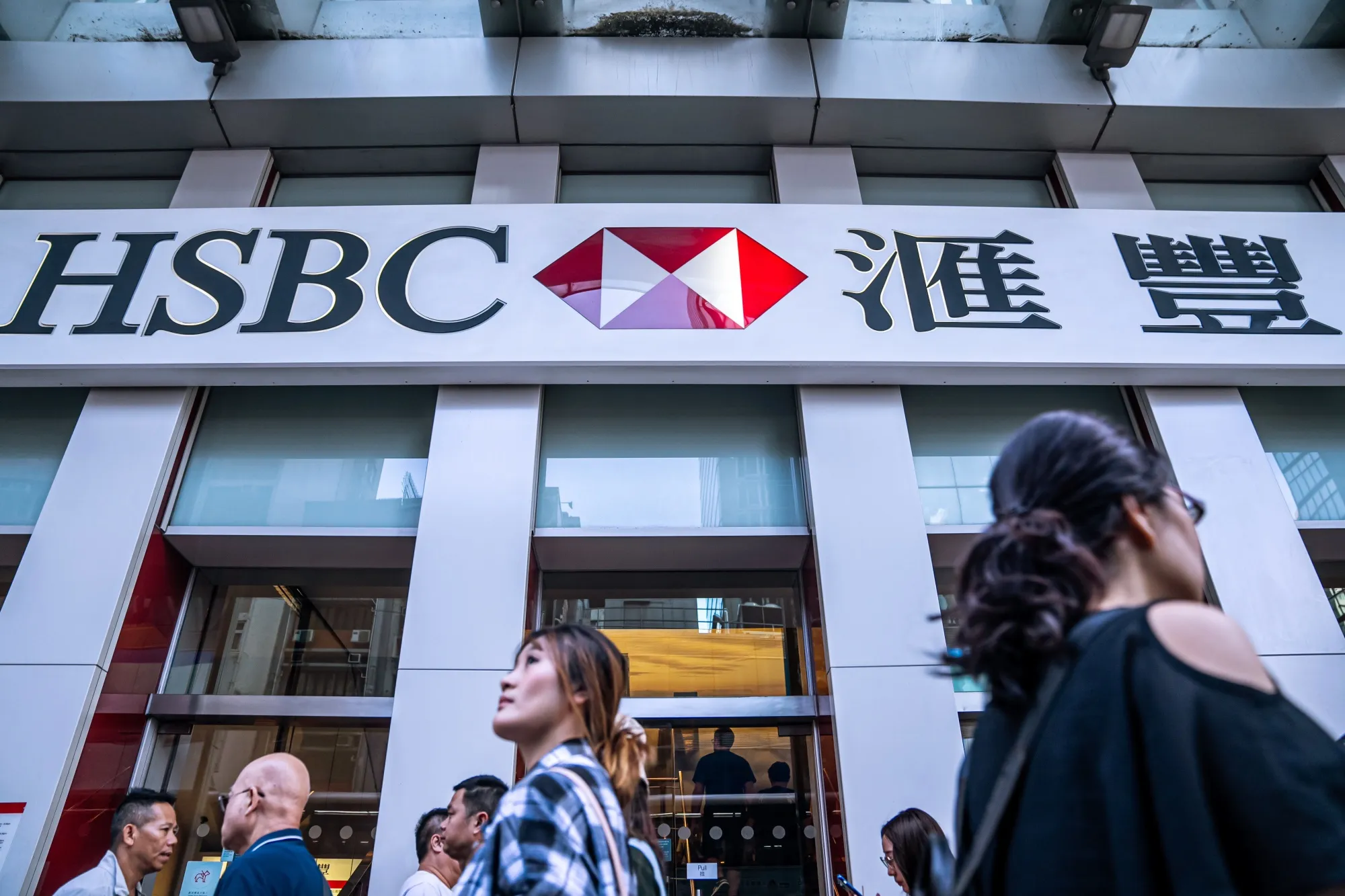
On August 22, 2019, three major Hong Kong banks, HSBC, Standard Chartered, and Bank of East Asia, placed full-page advertisements in local newspapers calling for calm and a restoration of law and order amid ongoing pro-democracy protests that have rocked the city since June. The ads, published across Asian financial district newspapers, urged a return to peace and dialogue as the protests have severely impacted Hong Kong’s tourism and economy, with Bank of East Asia reporting a 75% plunge in first-half net profit due to loan devaluations in China. The demonstrations, triggered by a now-suspended extradition bill that would allow criminal suspects to be sent to mainland China for trial, reflect growing fears that Beijing is eroding the “one country, two systems” framework agreed upon when Britain returned Hong Kong in 1997.
Banks appeal for calm as protests hit profits
HSBC, Standard Chartered, and Bank of East Asia issued their appeals in full-page ads on August 22, 2019, according to reports. The banks did not name specific parties in their calls for dialogue. “We call on all parties to work together to restore calm and order,” HSBC said in its ad, as quoted by Reuters. The ads came as small and medium businesses reported sharp declines in revenue. Bank of East Asia’s net profit fell 75% in the first half of 2019, partly due to loan devaluations in China. A recession appears imminent if the unrest continues.
Protesters demand political reforms, end to police violence
Thousands of residents have taken to the streets since June to protest what they see as Beijing’s intrusion into Hong Kong’s promised freedoms. The immediate trigger was a bill that would have allowed criminal suspects in Hong Kong to be extradited to mainland China for trial. Hong Kong leader Carrie Lam said on August 20 that the extradition legislation was “off the list,” but she did not declare it dead, as protesters demand. Protesters are also calling for a return of political reform, withdrawal of charges against those detained, and an independent probe into what they say is violent government force. “We demand an independent investigation into police brutality,” a protester told the South China Morning Post on August 21.
More protests planned as tensions escalate
Students staged a rally on August 22, and coordinated strikes throughout the city are planned for September. The protests have shown no sign of abating. “We will continue until our demands are met,” a student leader said at the August 22 rally, as quoted by the Associated Press. The sustained unrest has rattled Hong Kong’s status as a global financial hub.
Beijing blames foreign powers, massing troops at border
Beijing has blamed the United States and other foreign countries for instigating the riots. The Chinese government has stated it will not hesitate to use force should the riots get out of hand. A massive military force has gathered at the border between Shenzhen and Hong Kong. The Chinese government claims it is conducting military exercises. “The Chinese government will take all necessary measures to safeguard national sovereignty and security,” a Chinese foreign ministry spokesperson said on August 21, as reported by state media. The troop buildup has heightened fears of a crackdown.
The banks’ ads reflect a growing concern among Hong Kong’s business elite that the protests are damaging the city’s economy and reputation. But the protesters show no sign of backing down. The core issue remains the erosion of Hong Kong’s autonomy under Chinese rule. The “one country, two systems” formula that Hong Kong enjoyed is being chipped away. The extradition bill was the spark, but the fire is about much more. The city is at a crossroads. The banks want calm. The protesters want change. Beijing wants control. There is no easy path forward.