Hong Kong’s fire safety regulations are facing a reckoning. The blaze that swept through New Lucky House in Kowloon on April 10, 2024, left five dead and 35 injured. That much is known. What remains unanswered is whether the system meant to prevent such scenes failed entirely.
The building sits at the corner of Nathan Road and Jordan Road in the Jordan area. It is a composite building — shops and restaurants on the lower floors, residential units above. This mix is common across Hong Kong. It is also, by its nature, a fire risk. Cooking gas, stored goods, electrical wiring, and sleeping residents share the same vertical space. When something goes wrong, it goes wrong fast.
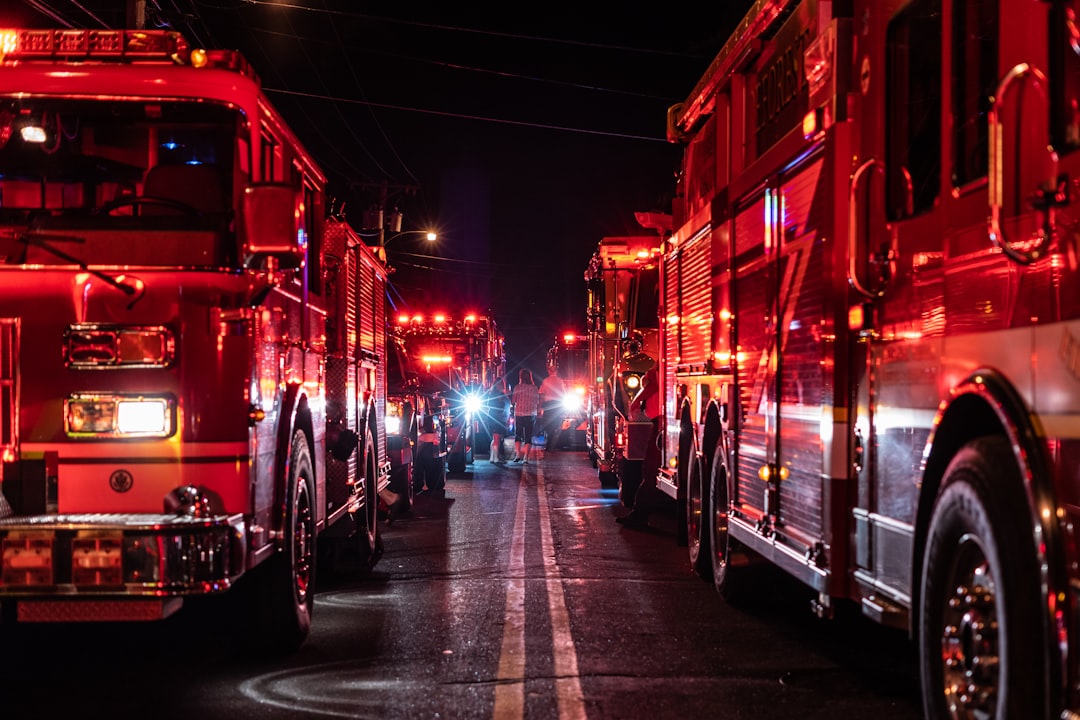
Emergency crews responded quickly. Firefighters fought the blaze. Paramedics treated the injured. But quick response does not undo five deaths. It does not unburn 35 people. The question now is whether the building’s safety measures were adequate — and whether the checks meant to guarantee that adequacy were performed at all.
Hong Kong has fire safety codes. They are not new. They require sprinklers, alarms, clear exits, and regular inspections. Yet composite buildings like New Lucky House, also known as 華豐大廈, often fall into a regulatory gray zone. Responsibility is split between building management, commercial tenants, and residential owners. Nobody is fully in charge. That is a problem.
The investigation will look at the building’s safety record. It will examine what happened in the hours before the fire. It will ask who knew what, and when. But investigations take time. Meanwhile, the community mourns. Support services are being put in place for the families of the dead and the injured. That is necessary. It is not a solution.
The pattern is familiar. A tragedy occurs. Questions are raised. Promises are made. Then, gradually, attention shifts. Inspections resume their old rhythm. The underlying conditions remain. The next fire is simply waiting for a spark.
This is not about assigning blame to one person or one company. It is about a system that has not kept pace with the reality of Hong Kong’s built environment. The city is dense. Its older buildings are packed with people and businesses. Fire safety cannot be an afterthought. It must be enforced consistently, not just after a disaster.
The blaze at New Lucky House will likely prompt renewed focus on fire safety measures. That is the usual response. But focus is not the same as action. Real change requires enforcement. It requires resources. It requires holding building owners accountable before a fire, not after.
Five people are dead. Thirty-five are injured. Their families are left to pick up the pieces. The rest of Hong Kong watches. The question is whether the city will learn from this, or whether New Lucky House will become just another name on a long list of preventable tragedies.