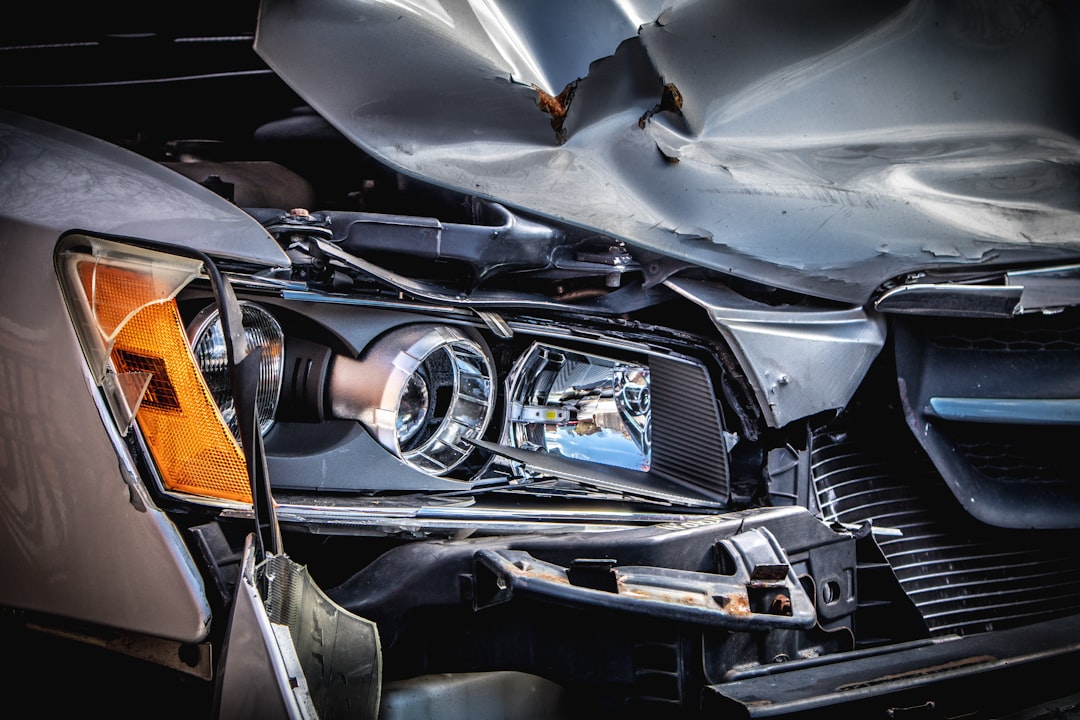
The road that carried the dead runs through Jodhpur, a city of 1.6 million people. On November 2, 2025, a passenger vehicle and a truck met head-on. At least 15 people are dead. Two others are injured.
Head-on collisions kill at high rates. The force of two vehicles converging at speed leaves little room for survival. In this case, the passenger vehicle bore the brunt. Fifteen families now face the aftermath. The injured two face recovery in a city hospital that was not named in the initial reports, but the burden on Jodhpur’s medical infrastructure is real.
Jodhpur is not a small town. It is the second-largest city in Rajasthan, the administrative seat of both a district and a division. Founded in 1459 by Rao Jodha, a Rajput chief of the Rathore clan, it was once the capital of the Kingdom of Marwar. Its history is long. Its roads, however, are modern, and modern roads carry modern risks. A city of 1.6 million generates traffic. Trucks move goods. Passenger vehicles move people. When they meet at the wrong angle, the result is catastrophic.
What is at stake here is not just a single tragedy. The accident is a symptom. India’s road network is vast and growing. So is its vehicle population. Enforcement of traffic laws varies. Road infrastructure, even in a major city like Jodhpur, can be uneven. A head-on crash on a highway or a city arterial road suggests a failure of separation, of signage, or of driver behavior. The report notes that the collision involved a large vehicle, a truck. Trucks are essential to the economy. They are also lethal when mismanaged.
The city itself has a stake in this. Jodhpur’s economy depends on trade and commerce. Its strategic location in Rajasthan has made it a hub for centuries. A reputation for dangerous roads hurts that. It discourages travel. It raises costs for shipping. It costs lives, which costs the community its people. Fifteen dead is a blow to any city. Two injured means more strain on families and the health system. The impact is concrete, not abstract.
Road safety is not a luxury. It is a matter of infrastructure, enforcement, and education. The report mentions that improving road infrastructure and enforcing traffic laws are necessary steps. That is correct. But the gap between necessity and reality is where bodies fall. Jodhpur, like many Indian cities, is caught in that gap. The city grows. The roads stay the same, or they grow slower than the traffic. The result is a head-on crash that kills 15 people.
The victims are unnamed in the initial report. They are numbers. Fifteen dead. Two injured. But numbers are not abstract to the people who knew them. The city of Jodhpur, with its 1.6 million residents, is smaller now by fifteen. The two injured will carry the crash with them for the rest of their lives. The community will feel the loss in schools, in workplaces, in neighborhoods.
This is not a unique event. India sees thousands of road fatalities every year. But each one is a local disaster. Jodhpur’s disaster happened on November 2, 2025. The date will be remembered by families. The city will hold its breath for the next report, the next investigation, the next promise of change. The stakes are that simple. Roads are supposed to connect people. When they fail, they separate them permanently.