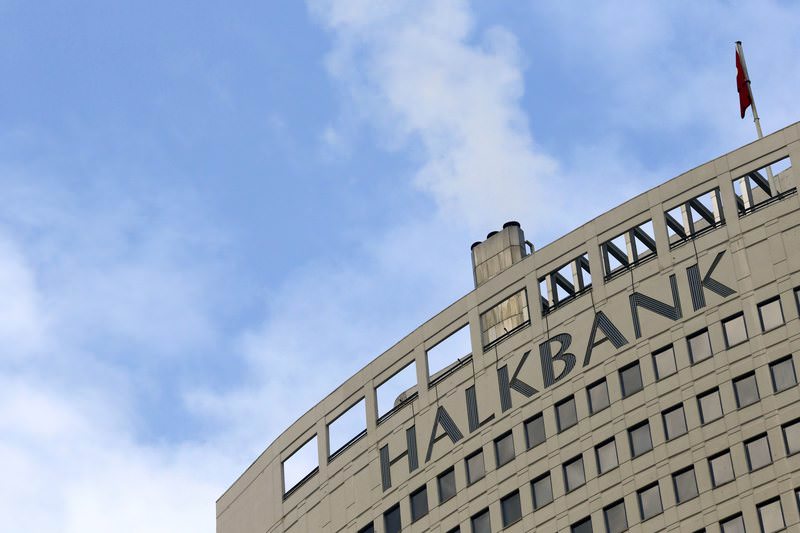
On April 21, 2023, Türkiye Halk Bankası, commonly known as Halkbank, stands as a significant financial institution in Turkey, with a history dating back to its incorporation on June 8, 1933, as a public bank. Over the years, the bank has undergone significant transformations, including the absorption of smaller public banks around the turn of the millennium, which has contributed to its growth and expansion.
Halkbank’s evolution into a publicly traded company is a notable aspect of its history. Although the Turkish government remains the majority stakeholder, this shift has likely introduced new dynamics in the bank’s operations and management. The bank’s product portfolio includes a range of financial services such as vehicle loans, housing loans, consumer loans, and commercial loans, catering to diverse customer needs.
The bank’s history is not without its challenges, particularly in the 2010s when it was embroiled in several scandals and controversies. These incidents led to the arrest of some of its executives, highlighting the need for stringent regulatory oversight and corporate governance within the banking sector. The specifics of these scandals are a matter of public record, and they underscore the importance of transparency and accountability in financial institutions.
As a publicly traded company with a majority government stake, Halkbank operates under a unique framework that balances public interest with the demands of being a commercial entity. This dual role can present challenges, especially in navigating the expectations of its shareholders, including the Turkish government, and the broader public. The bank’s ability to manage these competing interests will be crucial to its long-term success and stability.
The absorption of smaller public banks by Halkbank around the turn of the millennium marks a significant phase in its growth strategy. This expansion has likely contributed to the bank’s current market position and influence within the Turkish banking sector. However, such consolidations also raise questions about the impact on competition, employment, and the accessibility of banking services to the public. Understanding these aspects is essential for a comprehensive assessment of Halkbank’s role in the Turkish economy.
In considering the future of Halkbank, it is essential to watch how the bank navigates the complexities of its position as a publicly traded company with significant government ownership. The bank’s commitment to transparency, regulatory compliance, and customer satisfaction will be key factors in its ability to grow and maintain public trust. As the Turkish banking sector continues to evolve, Halkbank’s strategies for innovation, risk management, and expansion will be closely observed by stakeholders and the public alike.
Looking ahead, the performance and strategic decisions of Halkbank will be subject to scrutiny from various stakeholders, including investors, regulatory bodies, and the general public. The bank’s ability to address past controversies, adapt to changing market conditions, and contribute positively to the Turkish economy will be critical to its success. As of April 21, 2023, Halkbank’s trajectory, including its response to challenges and opportunities, will be an important aspect of the Turkish financial landscape, warranting continued observation and analysis.