
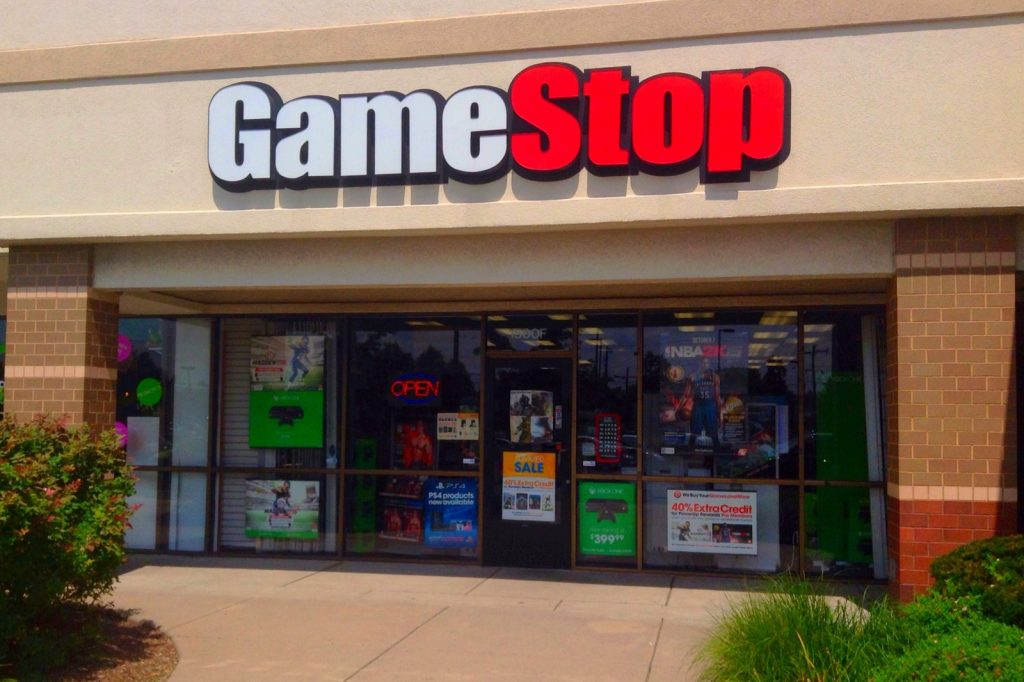
GRAPEVINE, Texas, July 17 — 2,206. That is the number of stores GameStop Corp. operated as of January 2026. The bottom line: the world’s largest video game retailer is shrinking, and its future now hinges on a radical bet with its cash reserves.
The company, headquartered in Grapevine, Texas, a suburb of the Dallas-Fort Worth metroplex, has seen its physical footprint contract sharply. By the numbers, 1,598 of those stores are in the United States, 300 are in Australia, and 308 are in Europe.
They operate under banners including GameStop, EB Games, Micromania-Zing, ThinkGeek, and Zing Pop Culture. The figure that matters for investors, however, is the pace of closures. In January 2025 alone, over 400 GameStop stores shut their doors.
That single month represented the highest number of closures the company has ever recorded in a thirty-day period, at a pace to close twice as many stores as it did in all of 2024. The decline is not new.
The company was founded in Dallas in 1984 as Babbage’s and took its current name in 1999. Its performance began to slide during the mid-to-late 2010s. The culprit was the same force reshaping all of retail: the consumer shift to online shopping.
GameStop also suffered from failed investments in smartphone retail. Revenue has continued to fall as customers buy games and consoles from digital storefronts and e-commerce giants rather than driving to a mall.
The Short Squeeze That Changed Everything
GameStop became a household name beyond gaming circles in early 2021. In January and February of that year, its stock price exploded from $17.25 to over $500 per share. The catalyst was a short squeeze.
Retail investors on Reddit noticed that short interest in the stock exceeded 100% — meaning more shares were borrowed and sold short than actually existed in the float. A subsequent report from the Securities and Exchange Commission attributed the volatility in part to the massive buying power of those retail investors.
The company was ranked 577th on the Fortune 500. That episode made GameStop a symbol of the power of coordinated retail trading. It also gave the company a massive cash infusion and a celebrity following among a new generation of investors who view the stock as a cultural bet against Wall Street hedge funds.
By the numbers, the company has continued to shed assets tied to its legacy business. GameStop used to own and publish Game Informer, the long-running video game magazine.
It discontinued the publication in August 2024 and sold the brand to Gunzilla Games in 2025.
The Bitcoin Pivot
The most significant strategic move in years came on March 25, 2025. On that date, GameStop announced a plan to use its cash reserves to buy Bitcoin. The decision represents a sharp departure from the company’s core business of selling physical video games and consumer electronics.
It aligns GameStop with a growing trend among publicly traded companies — most notably MicroStrategy — that treat Bitcoin as a primary treasury reserve asset. Investors will note that the company has not disclosed the size or timing of any Bitcoin purchases as of this writing.
The announcement itself, however, signaled that management views its cash pile as a tool for speculative investment rather than a cushion for operational turnaround. The question hanging over the stock is whether a Bitcoin treasury strategy can reverse a decade of declining retail revenue. The company has not released comparable store sales figures for the most recent quarter.
The January 2025 closure wave — over 400 stores in a single month — suggests that management is still cutting costs aggressively even as it pivots to cryptocurrency.
What to Watch Next
For investors, the next catalyst will be any disclosure of Bitcoin purchases and the company’s quarterly earnings report. The figure that matters is not the store count or the stock price, but whether the Bitcoin bet generates enough return to offset the ongoing erosion of the core retail business. The company that was once a fixture in American malls is now a test case for whether a legacy retailer can reinvent itself as a crypto treasury play.
Sources
{“@context”: “https://schema.org”, “@type”: “NewsArticle”, “headline”: “GameStop Buys Bitcoin as Store Closures Signal Digital Shift”, “description”: “GRAPEVINE, Texas, July 17 — 2,206. That is the number of stores GameStop Corp. operated as of January 2026. The bottom line: the world’s largest…”, “datePublished”: “2026-07-17T09:30:00+00:00”, “author”: {“@type”: “Person”, “name”: “Ava Anderson”}, “publisher”: {“@type”: “Organization”, “name”: “InfoPulse Today”, “url”: “https://newsfeed.infopulsetoday.com/”}, “citation”: [{“@type”: “CreativeWork”, “url”: “https://en.wikipedia.org/wiki/GameStop”}]}




