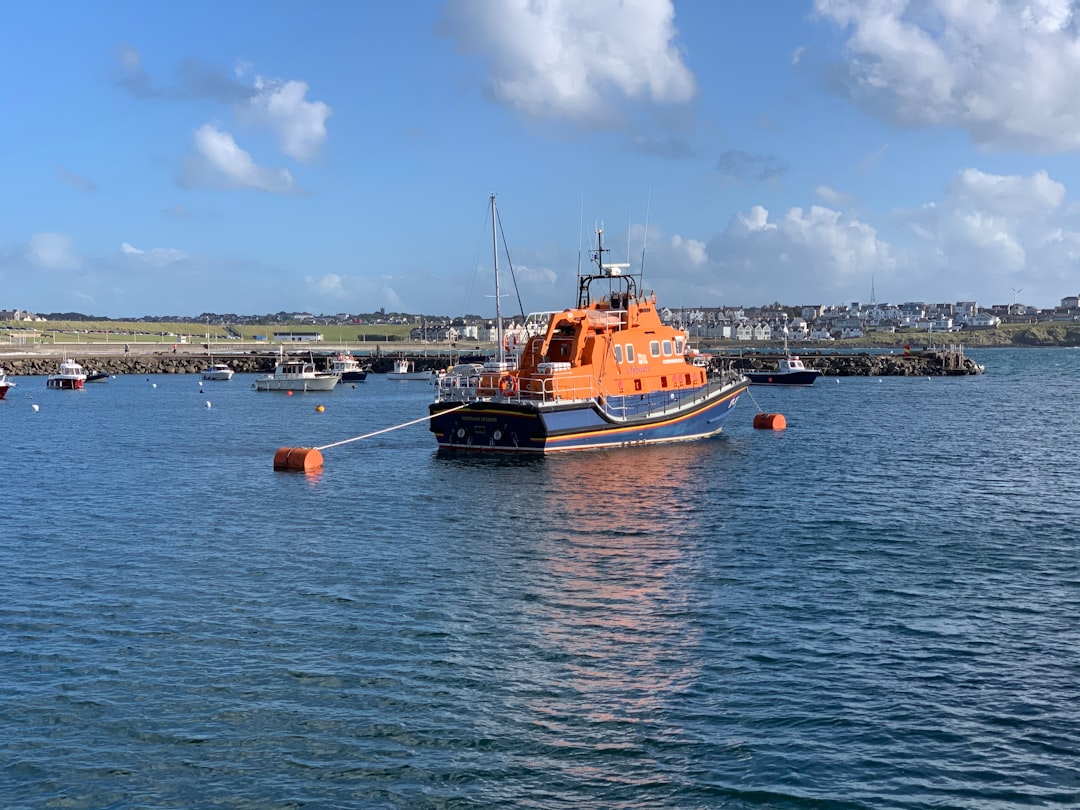
Kerewan, Gambia — The number 102 is the one that will be remembered. That is how many people were pulled from the Atlantic Ocean on January 2, after a migrant boat capsized off the Gambia coast. Rescuers saved them. Dozens more were not so lucky.
The boat carried over 200 people. It went down in the North Bank Division, a region that, according to the 2013 census, holds 221,054 residents. The capital is Kerewan. The total area is 2,255.5 square kilometers. These are dry facts from a census form. They tell you nothing about the families now waiting for news at the shore.
What happened here is not abstract. A vessel designed for fishing or short coastal trips was loaded with migrants. That is the only way to get more than 200 people aboard a boat that size — pack them in. The North Bank Division has 18,458 households as of 2003 data. Some of those households lost somebody last week.
The rescue operation is still running. Search crews are looking for the missing. But the Atlantic does not give people back easily. The water temperature in January is cool enough to kill within hours. The currents are strong. The chances of finding more survivors shrink by the day.
This is the second major migrant boat disaster off West Africa in recent months. The route from the Gambia to Europe’s Canary Islands is one of the deadliest in the world. Boats leave from beaches and fishing villages. They head northwest. Many never arrive.
The Gambia government has a long coastline and a strategic location. That is the polite way of saying it sits on a migration highway. The country has a role to play in maritime safety. But a role is not a rescue boat. A role is not a patrol vessel that stops overloaded boats from launching in the first place.
Questions are being asked about regulations. Over 200 people on one boat. That is not a smuggling operation that slipped through the cracks. That is a systemic failure. The enforcement mechanisms were supposed to catch this. They did not.
The human cost is still being counted. Every rescued person is a story. Every missing person is a family destroyed. The North Bank Division is not a large place. Word travels fast. Everyone knows someone who was on that boat or knows someone who knows someone. The grief will ripple through the 2,255.5 square kilometers for years.
Search and rescue continues. The missing are still missing. The rescued are being processed, interviewed, and likely detained. That is the standard procedure. Migrants who survive are often treated as evidence, not as people. They will be asked where they came from, who paid for the trip, who organized it. They will answer. Then what?
The Gambia’s role in maritime safety is being scrutinized. That is a polite word for what is happening. People are angry. Families are desperate. The government is under pressure. The investigation will look at the adequacy of existing regulations. That investigation will likely find that the regulations were adequate on paper and meaningless on the water.
One hundred and two survivors. Dozens missing. A boat that should never have sailed. A region that will not forget. That is the story from the North Bank Division. That is the story that will not go away.