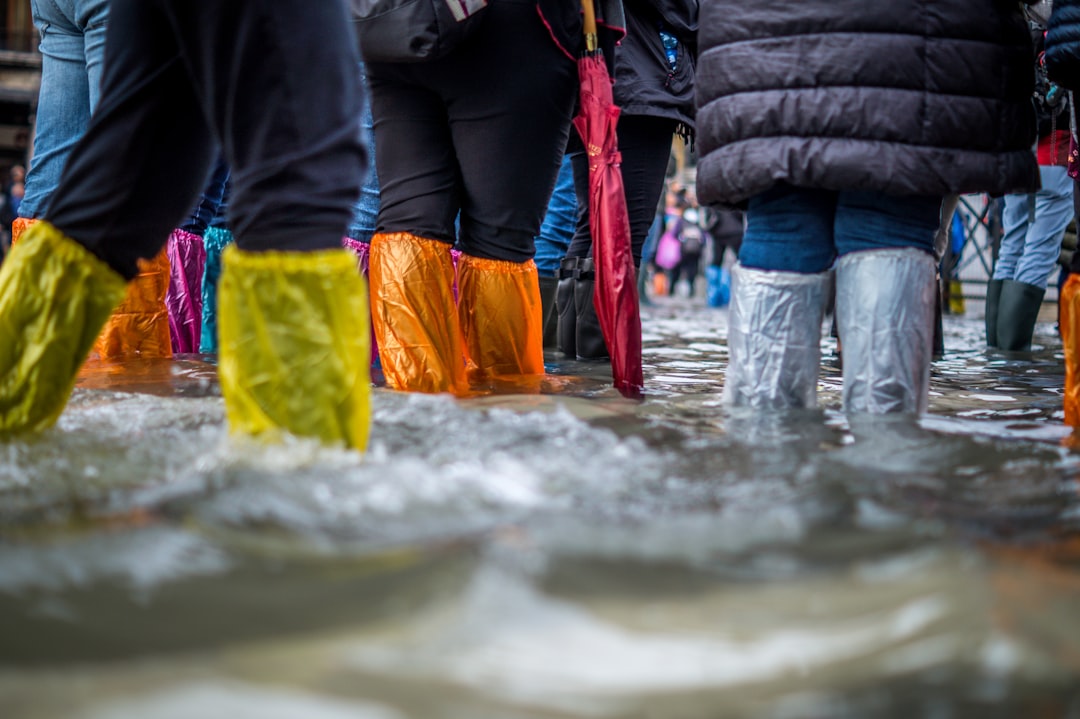
Terrebonne Parish was built on water. Its bayous, marshes, and swamplands are not just scenery; they are the bones of the place. That same geography, the intricate network of low-lying channels and fragile wetlands, is what makes a hurricane like Francine so dangerous here. The storm came ashore as a Category 2, bringing the full force of the Atlantic season into a landscape that offers little natural protection from a surge.
The vulnerability is baked into the ground. Unlike higher ground or places with hard coastlines, Terrebonne’s soft, sinking delta absorbs the blow unevenly. Storm surge pushes up the bayous. Rain has nowhere to drain. The parish has spent years preparing for this exact moment, knowing the odds were stacked against it. Evacuations were ordered. Sandbags were filled. But preparation only goes so far when the wind starts tearing at power lines and the water starts rising.
This is where the focus shifts, from bracing to response. Crews are already working to restore power and clear debris. The real test, though, is the energy infrastructure. Hurricanes like Francine have a habit of exposing weaknesses. Power lines come down. Fuel supplies get disrupted. In a place like Terrebonne, where every road can become a canal and every neighborhood can become an island, a blackout is more than an inconvenience. It stops the response cold.
There has been a growing push for renewable energy in recent years, for exactly these reasons. Wind and solar power offer something that traditional fossil-fuel grids struggle with: decentralization. A solar array on a community center, a wind turbine on a levee — these are not just environmental statements. They are survival tools. They reduce reliance on a single, vulnerable grid. They keep the lights on when the main lines go down. For communities in the path of storms, that is not an abstract benefit. It is a concrete hedge against the next disaster.
Francine is a Category 2. It is not the worst storm these people have seen. But it is the one they have now. And the way it hits Terrebonne — the way the power fails, the way the water climbs, the way the response holds or buckles — will be a test of everything the parish has built. The resilience of the people here is not in question. They have been through this before. They will dig out, rebuild, and do it again. But the storm also tests the systems they rely on. The grid. The roads. The fuel supply.
The push for renewables is not a distant policy debate. It is a local, practical question. Can a solar farm on a patch of reclaimed marshland keep a shelter running when the diesel runs out? Can a small wind turbine on a fire station power the pumps? These are the kinds of questions that storms like Francine force into the open. The answer matters not just for Terrebonne, but for every low-lying coastal community that faces the same cycle of preparation, impact, and recovery.
For now, the wind is still blowing. The rain is still falling. The people are hunkered down, waiting for it to pass. When it does, the real work begins. And the choices made in the years before the storm — about energy, about infrastructure, about how to build for a wetter, stormier future — will determine how fast that work can get done.