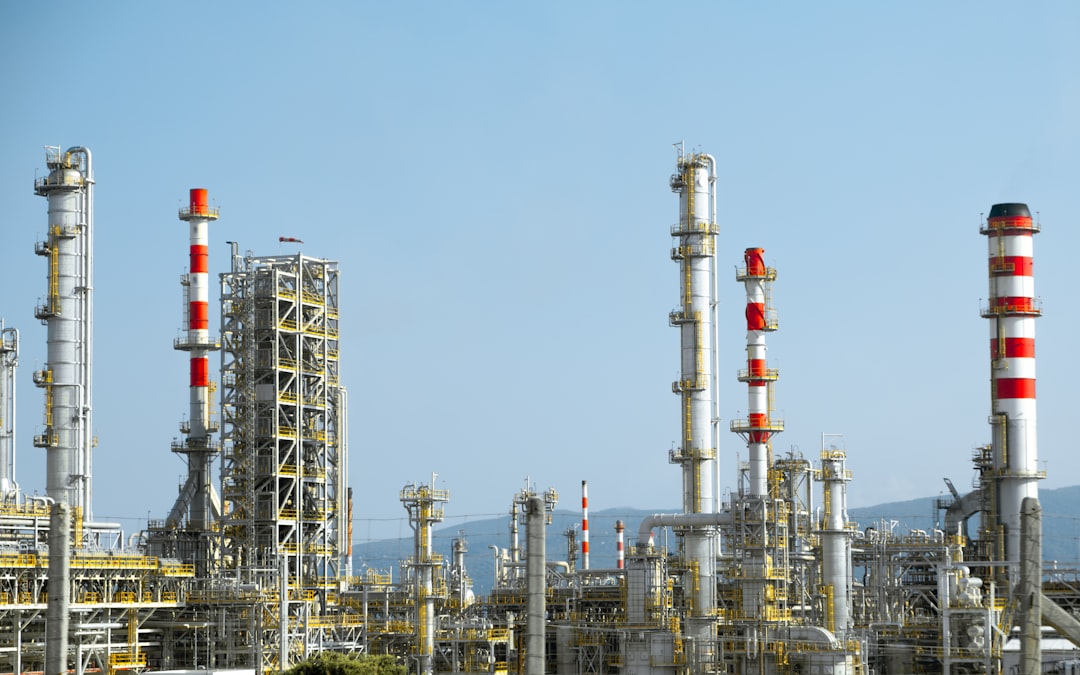
Four people were pulled from an oil extraction plant in Logan Township, New Jersey, after an explosion ripped through the facility on March 4, 2026. They are now receiving medical attention. The blast happened at a site that is one of several such plants in the region. It has thrown a harsh light on what residents and environmental groups have long warned about: the price of processing fossil fuels.
The cause is still under investigation. That much is clear from reports at the scene. What is also clear is that this is not an isolated event. Logan Township sits in an area dotted with extraction and processing infrastructure. Each facility carries known risks. Explosions. Leaks. Fires. The ground shakes, the air turns acrid, and people get hurt. This time, four people got hurt.
For local families, the stakes are immediate. The plant is a key part of the local economy. Jobs depend on it. Paychecks depend on it. But so does the safety of the men and women who walk onto that site every shift. When an explosion happens, it does not just injure workers. It rattles every household that sends someone to work at a plant. It raises the question of whether the protocols in place are enough. The incident has prompted calls for greater transparency and accountability from the operators. That means opening the books on safety drills, maintenance logs, and inspection records. Residents want to know what went wrong. They have a right to know.
Then there is the environmental side. The explosion raises concerns about what escaped into the air and the ground. Oil extraction plants handle volatile substances. A blast can release chemicals, trigger fires, or contaminate soil and water. The report from the scene flags these worries. Some scientists argue that the extraction and burning of fossil fuels carry negative environmental consequences. This incident is a concrete example of why. It is not theoretical. It is a burning facility in a real town, with real people breathing the air downwind.
The push for a shift toward cleaner, more sustainable forms of energy gains weight with each event like this. That is not a distant policy debate. It is a local argument about whether the jobs and energy from these plants are worth the toll. Some say no. They point to the injured workers and the damaged site and argue that the system is broken. The explosion has sharpened that divide.
An investigation is underway. More information will come out. But for now, the focus is on the four people hurt. Their injuries are being treated. Their families are waiting. The plant sits quiet, cordoned off, while investigators pick through the wreckage. The community is left to weigh what happened against what might happen next time. Because there is always a next time unless something changes. The operators face increased scrutiny. Safety protocols will be examined. The question is whether that examination will lead to real change or just another report filed and forgotten.
This is what an extraction economy looks like when things go wrong. It looks like an explosion. It looks like four injured people. And it looks like a town wondering if the cost is too high.