For millions of families across Africa, the Middle East, and beyond, the weekly trip to the market has become a source of deepening anxiety. The cost of basic staples—the grains that fill a bowl, the oil used to cook a meal—has climbed to levels never seen before, pushing the threat of hunger and malnourishment closer to home. This is not an abstract economic indicator; it is a daily struggle playing out in communities that depend on affordable food imports.
Record-Breaking Price Index
The United Nations has confirmed that prices for food commodities like grains and vegetable oils reached their highest levels ever last month. The U.N. Food and Agriculture Organization (FAO) reported that its Food Price Index, which tracks monthly changes in international prices for a basket of commodities, averaged 159.3 points last month. This represents a 12.6% increase from February, which itself had already set a record as the highest level since the index began in 1990. “Clearly, these very high prices for food require urgent action,” said Josef Schmidhuber, deputy director of FAO’s markets and trade division. He described the situation as “really remarkable,” though he noted it was predictable given February’s steep rise.
War in Ukraine Disrupts Global Supply
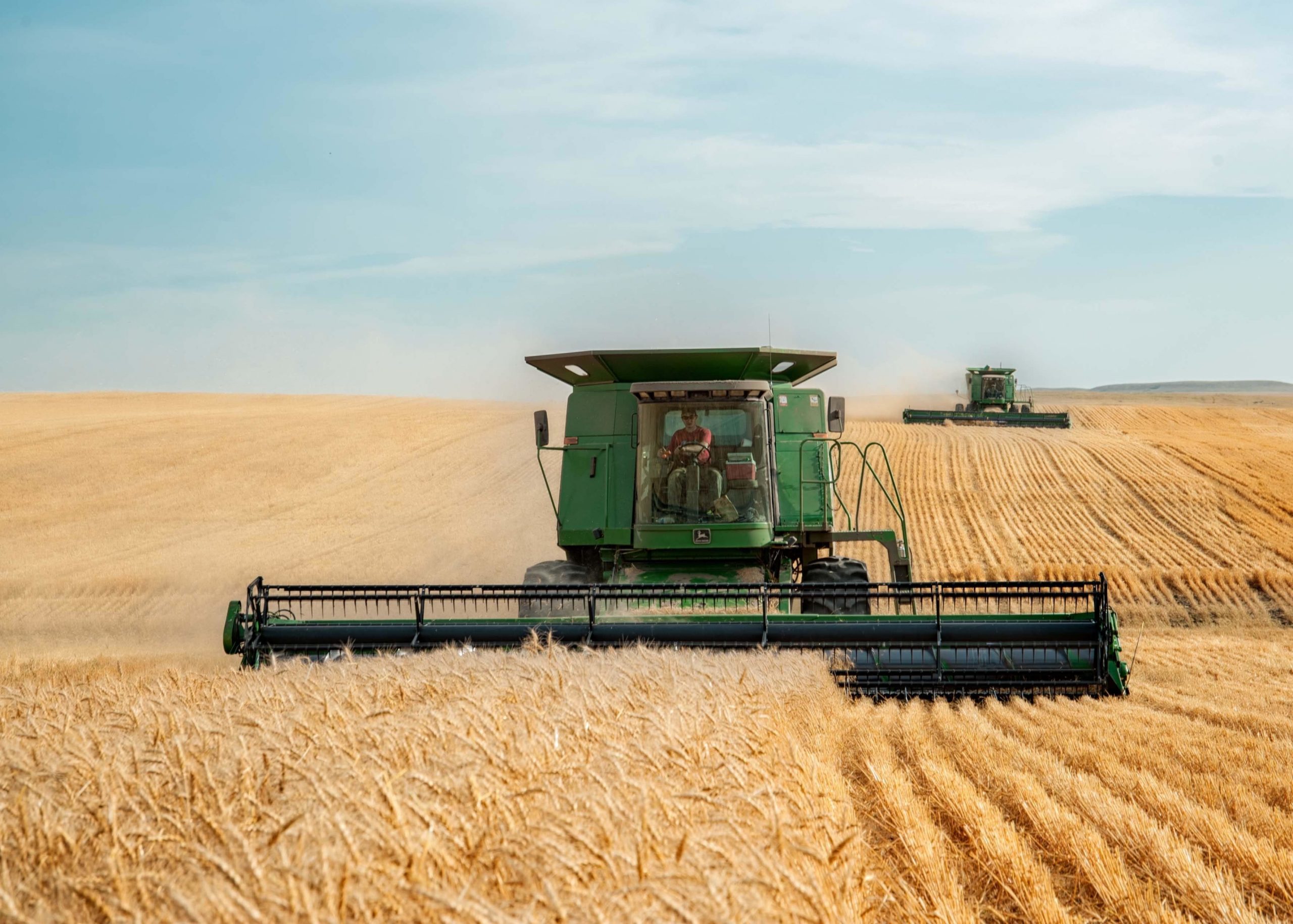
The FAO stated that Russia’s war in Ukraine is largely responsible for the 17.1% rise in the price of grains, including wheat, oats, barley, and corn. Together, Russia and Ukraine account for around 30% of global wheat exports and 20% of global corn exports. The conflict has created what the FAO calls “massive supply disruptions,” particularly from the Black Sea region. “Essentially, there are no exports through the Black Sea. And exports through the Baltics is practically also coming to an end,” Schmidhuber told reporters in Geneva.
The sharpest increases, however, were seen in vegetable oils. That price index rose 23.2%, driven largely by higher quotations for sunflower seed oil, which is widely used for cooking. Ukraine is the world’s leading exporter of sunflower oil, and Russia is the second-largest. “There is, of course, a massive supply disruption. And that massive supply disruption from the Black Sea region has fueled prices for vegetable oil,” Schmidhuber said.
Multiple Factors at Play
While the war is a central driver, Schmidhuber cautioned that he could not calculate exactly how much the conflict was to blame for the record food prices. He noted that poor weather conditions in the United States and China also contributed to crop concerns. “Logistical factors” were playing a big role, he added, as export routes are being choked off. The disruption threatens millions of people with hunger and malnourishment, particularly in vulnerable regions. Soaring food prices and supply disruptions are expected to affect populations in the Sahel region and Nigeria over a six-month period, Schmidhuber said.
Proposal for Relief
To address the urgent needs of food-importing countries, the FAO is developing a proposal for a mechanism to alleviate the import costs for the poorest nations. Schmidhuber explained that the plan calls for eligible countries to commit to added investments in their own agricultural productivity. In exchange, they would receive import credits to help soften the blow of these record-high prices.
Looking ahead, the world will be watching for any resolution to the conflict in Ukraine that could reopen Black Sea export routes, as well as for signs of improved harvests in other major grain-producing regions. The FAO’s proposal for import credits will also be a key development to monitor, as it may offer a lifeline for the most vulnerable nations struggling to feed their people amid these unprecedented disruptions.