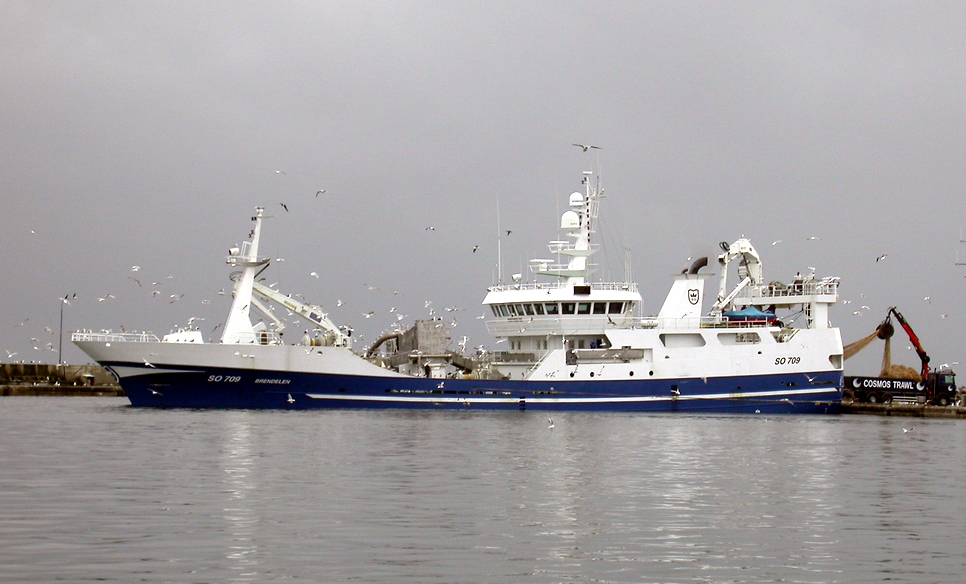
A fishing trawler capsized off South Korea’s Jeju Island on February 12, 2025, leaving five crew members reported missing, while the Korea Coast Guard rescued five others. The incident highlights the risks faced by commercial fishing vessels and the importance of maritime safety. Trawling, the method of fishing employed by these vessels, involves dragging or pulling a trawl through the water behind one or more trawlers, which can be a complex and hazardous operation.
As the search for the missing crew members continues, the Korea Coast Guard has demonstrated its capabilities in responding to maritime emergencies. The rescued crew members are receiving medical attention and support, while an investigation into the cause of the capsizing is likely to be conducted. The incident serves as a reminder of the importance of ensuring the safety of fishing vessels and their crew members, who play a vital role in the global food supply chain. Fishing trawlers, like the one involved in the incident, are designed to operate in various marine environments, from shallow coastal waters to deep-sea areas, and are equipped with specialized gear to catch a wide range of fish species.
Maritime Safety and Fishing Practices
The capsizing of the fishing trawler off Jeju Island also raises questions about maritime safety and fishing practices. Trawling gear can vary greatly depending on local traditions, bottom conditions, and the size and power of the trawling boats. Some trawling boats are small, open vessels with limited horsepower, while others are large factory ships with significant power and capabilities. The use of trawling gear can have environmental impacts, such as bycatch and habitat damage, which are being addressed through the development of more sustainable fishing practices and technologies.
The Korea Coast Guard’s response to the incident demonstrates the importance of having effective emergency response systems in place to protect human life and the marine environment. As the world’s oceans face increasing pressures from human activities, including overfishing, pollution, and habitat destruction, the need for sustainable and responsible fishing practices has never been more pressing. By promoting energy security through the use of renewables, such as wind and solar power, we can reduce our reliance on fossil fuels and mitigate the environmental impacts of human activities on the marine ecosystem.
Looking to the future, the incident off Jeju Island highlights the need for continued investment in maritime safety and sustainable fishing practices. This can involve the development of new technologies, such as more efficient trawling gear and improved vessel design, as well as enhanced training and support for fishing crews. By prioritizing the safety of fishing vessels and their crew members, and promoting more sustainable fishing practices, we can help to ensure the long-term health of the world’s oceans and the many communities that depend on them. As we move forward, it is essential that we prioritize the protection of the marine environment and the promotion of sustainable and responsible fishing practices, for the sake of the planet and future generations.
As the search for the missing crew members continues, our thoughts are with their families and loved ones, who are waiting anxiously for news of their safe return. The incident serves as a poignant reminder of the risks and challenges faced by those who work at sea, and the importance of supporting and protecting them. By working together to promote maritime safety and sustainable fishing practices, we can help to create a cleaner, healthier, and more sustainable planet for all, where human activities are balanced with the need to protect the natural environment and ensure the well-being of future generations.