In Helsinki and Stockholm, a quiet but profound shift is taking place in the lives of ordinary citizens. For decades, the people of Finland and Sweden have lived with a sense of secure neutrality, their nations choosing to remain outside military alliances. Now, the daily conversations of neighbors, the debates in local cafes, and the anxious glances toward the east are being reshaped by a single, momentous question: should we join NATO?
For the 5.5 million residents of Finland, the question is particularly acute. They share the longest border of any European Union nation with Russia—a 1,340-kilometer (833-mile) frontier. The invasion of Ukraine on February 24 has brought that border into sharp focus, transforming a distant geopolitical event into a direct concern for families, businesses, and communities along the frontier. In Sweden, which shares no border with Russia, the same sense of urgency has taken hold. Polls now show that a majority of respondents in Finland are willing to join the alliance, while in Sweden, supporters of NATO clearly outnumber those against the idea.
Governments Take Action
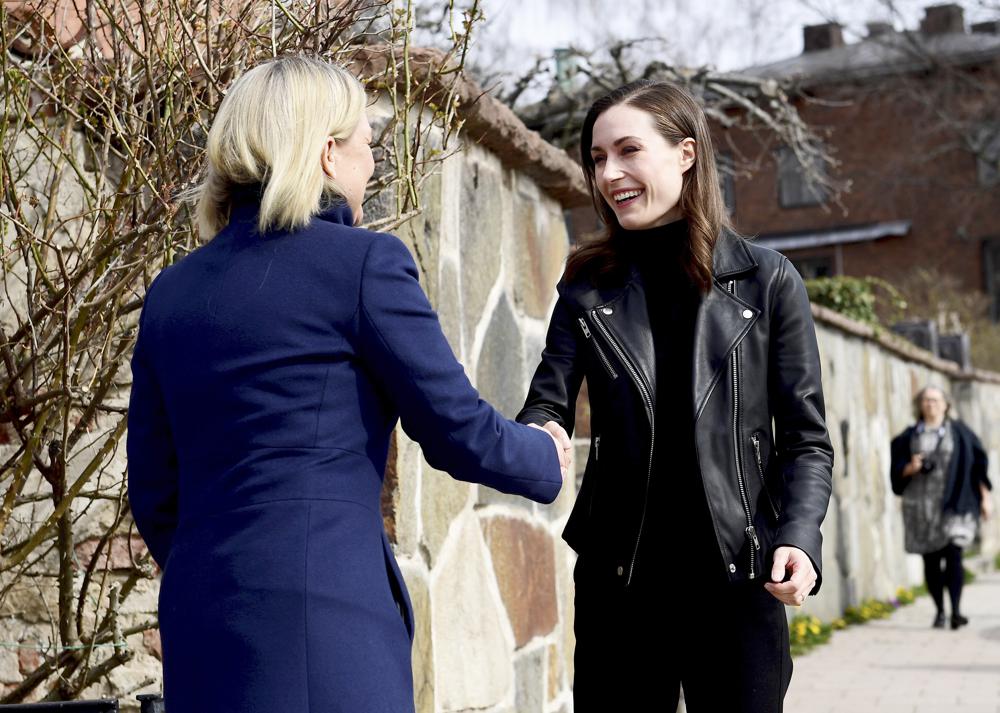
This shift in public sentiment has propelled both governments into action. In Finland, the government issued a security report to lawmakers, marking a significant step on the path toward possible membership. In Sweden, the ruling party initiated its own review of security policy options. Finnish Prime Minister Sanna Marin, speaking in Stockholm at a joint news conference with her Swedish counterpart, Magdalena Andersson, indicated that Finland is ready to make a decision on NATO “within weeks” rather than months, following an extensive debate in the 200-seat Eduskunta legislature.
Marin stressed that Finland and Sweden, two neighboring Nordic countries with close economic, political, and military ties, will make independent decisions regarding their security policy arrangements, including whether to join NATO. “But we do that with a clear understanding that our choices will affect not only ourselves but our neighbors as well,” Marin said, adding that she would prefer seeing both Finland and Sweden becoming NATO members.
Andersson echoed the sentiment, saying Sweden and Finland would maintain “a very close dialogue” as they navigate their security environment. “Trust in Russia has plummeted,” Andersson noted, reflecting a broader shift in public perception.
Russia’s Warning and Response
Russia, for its part, has warned Sweden and Finland against joining NATO. Officials said it would not contribute to stability in Europe and that Russia would respond with retaliatory measures that would cause “military and political consequences” for Helsinki and Stockholm. One of Russian President Vladimir Putin’s reasons for invading Ukraine was that the country refused to promise that it would not join NATO, a point that now resonates deeply in both Nordic capitals.
Despite these warnings, the momentum toward membership continues. Andersson said Wednesday that the Swedish government is working on a security environment analysis together with all parties in the 349-seat Riksdag legislature. She said the report is due May 31 but could be finished earlier. In addition, Andersson’s Social Democratic Party has initiated its own separate review of Sweden’s security environment.
What to Watch Next
In the coming weeks, all eyes will be on Helsinki and Stockholm as both governments finalize their assessments. The Finnish government’s security report to lawmakers and the Swedish security analysis due by May 31 will likely set the stage for formal decisions. How Russia responds to any moves toward membership, and whether the two Nordic countries proceed together or separately, will shape not only their own futures but the broader security landscape of Northern Europe. For the families and communities in Finland and Sweden, the path they choose will define a new chapter in their national stories.