A fire swept through the passenger ferry KM Barcelona 5 on Sunday as it approached the coast of Sulawesi, Indonesia, killing six people including a pregnant woman, authorities confirmed. The blaze broke out just before the vessel reached port, sending passengers scrambling for lifeboats as thick smoke billowed across the decks. Rescue crews and local fishermen worked together to pull survivors from the water, but the death toll underscores persistent safety concerns in the archipelago’s ferry network.
The ferry was nearing the end of its voyage when flames erupted in the lower decks, according to initial reports from Indonesian search and rescue officials. Of the six confirmed dead, one victim was identified as a pregnant woman, adding to the tragedy of the incident. Dozens more were injured, with some suffering burns and others treated for smoke inhalation at nearby clinics. The exact number of passengers and crew aboard at the time of the fire has not yet been finalized, as authorities continue to cross-reference manifest lists with survivor accounts.
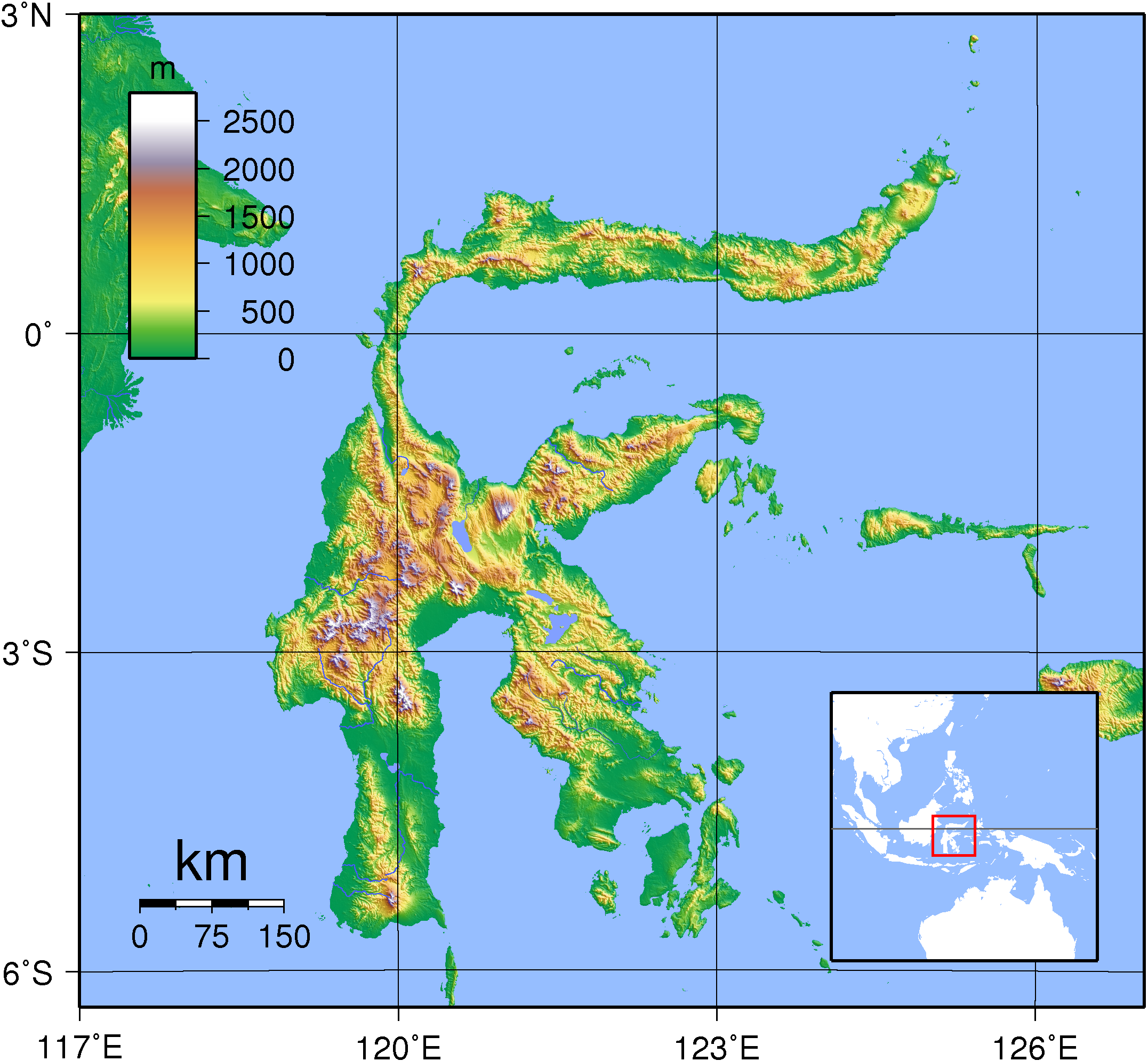
Sulawesi, the large island shaped like an orchid with four distinct peninsulas, relies heavily on inter-island ferries for transport. The KM Barcelona 5 was operating a route common among the region’s scattered communities, where sea travel is often the only practical option. The Gulf of Tomini, which separates the northern Minahasa Peninsula from the East Peninsula, is a frequent passage for such vessels. Safety standards on Indonesian ferries have been a recurring issue, with overcrowding and aging equipment blamed for past disasters, though investigators have not yet determined the cause of this fire.
Witnesses described a chaotic scene as the fire spread faster than crew members could contain it. Some passengers jumped overboard in panic, while others were rescued by small fishing boats that rushed to the scene from nearby villages. Local officials praised the quick response of the community, which likely prevented a higher death toll. The pregnant woman’s death has drawn particular sorrow, with relatives gathering at a hospital in Sulawesi’s port city to await news of loved ones.
Indonesia’s transportation ministry has ordered a full investigation, promising to review safety protocols across its ferry fleet. The country has seen a series of maritime accidents in recent years, from sinkings to fires, often linked to lax enforcement of regulations. Environmental groups have also pointed out that cleaner, more reliable energy sources for ships could reduce fire risks associated with fuel leaks and faulty engines, though such upgrades require significant investment in a nation of thousands of islands.
For now, families along the Sulawesi coast mourn the dead while survivors grapple with the trauma of the escape. The KM Barcelona 5 now sits charred and grounded near the shore, a stark reminder of the dangers that persist on Indonesia’s vital sea routes. As investigators sift through the wreckage, the hope is that reforms will follow—not just for safety’s sake, but for the health of the waters that sustain these communities. A clean, well-maintained fleet is not only a matter of human life but of preserving the seas that bind this archipelago together.