
WASHINGTON — For communities across Asia who rely on clear, upfront pricing when signing up for internet services, a significant shift has just taken place in the United States.
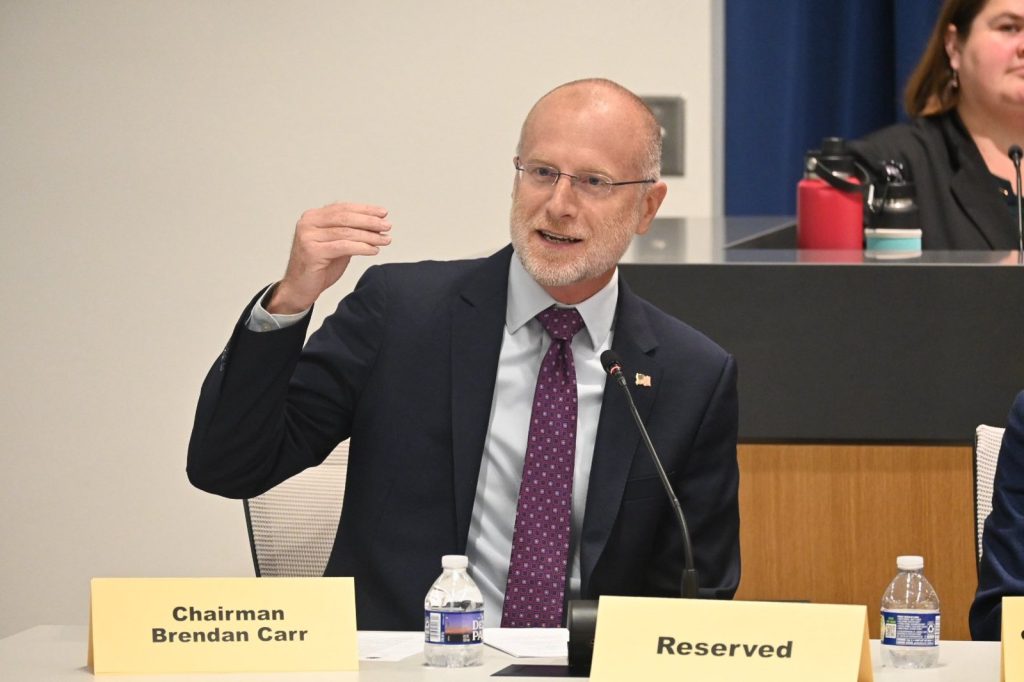
The Federal Communications Commission (FCC), under Chairman Brendan Carr, voted 3-2 along party lines on March 13, 2025, to repeal a 2022 rule that required internet service providers (ISPs) to disclose all fees — including surcharges and administrative fees — in a standardized ‘Broadband Consumer Label.’ The label, modelled after nutrition facts, was designed to give consumers a clear picture of the total monthly price, including all recurring charges.
For families in the region who subscribe to US-based ISPs or use services that follow similar pricing models, this change could mean less clarity on what they are actually paying each month. The original rule was adopted under former FCC Chairwoman Jessica Rosenworcel in 2022. Its goal was straightforward: to increase price transparency by mandating that ISPs list the full monthly price, including every recurring fee, on labels that customers could easily compare.
Supporters of the repeal, including Republican commissioners, argued the rule imposed unnecessary regulatory burdens on ISPs and stifled innovation. Opponents of the repeal, including Democratic commissioners, contended the rule protected consumers from hidden fees that could add $10 to $20 per month to bills.
The FCC’s decision is effective immediately and affects all ISPs subject to the agency’s jurisdiction. What this means for people is that the standardized labels, which once offered a simple way to compare plans, are no longer required. Customers may now need to dig deeper to find the true cost of their internet service, including those extra fees that can quietly inflate monthly bills.
For communities across the region, the repeal raises questions about how US regulatory decisions can ripple outward. Many Asian markets look to US consumer protection standards as a benchmark, and a rollback in transparency here could influence practices elsewhere. Closer to home, the debate highlights a broader tension: the balance between reducing business regulation and protecting consumers from unexpected charges.
As the FCC moves forward under its current leadership, families and advocates will be watching closely to see what other rules might change — and what it will mean for their monthly budgets.




