
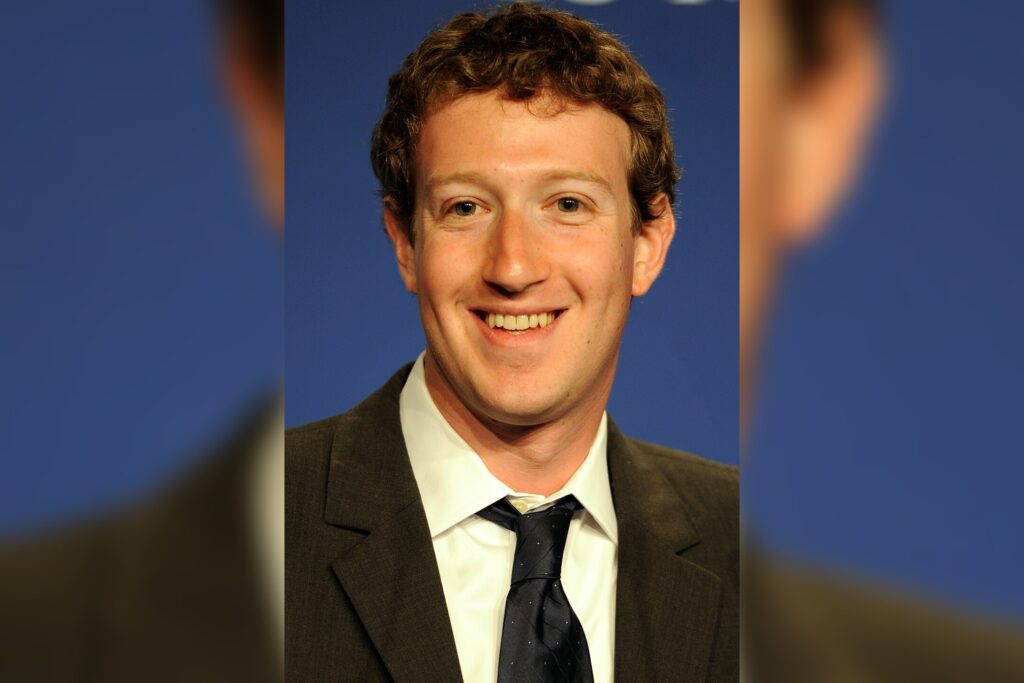
WASHINGTON, July 9 — The record shows that the architecture of modern social media was assembled in a series of rapid, transformative transactions spanning less than a decade. Facebook launched on February 4, 2004, from a Harvard University dormitory. The platform, created by Mark Zuckerberg and others, reached 1 billion users by 2012 and, according to the record, had over 3 billion monthly active users as of 2024.
That growth trajectory — from a single campus to a global population larger than any nation — set the template for the industry that followed. The timeline of acquisitions reveals a pattern of consolidation.
Instagram, founded in 2010 by Kevin Systrom and Mike Krieger, was acquired by Facebook for $1 billion in 2012. That deal, struck just 18 months after Instagram’s launch, signaled that the dominant players would absorb emerging competitors rather than build from scratch. YouTube tells a different story.
The video platform was founded on February 14, 2005, by Steve Chen, Chad Hurley, and Jawed Karim. Google acquired it in 2006 for $1.65 billion — a price that, at the time, appeared steep for a site barely a year old.
The record shows that acquisition proved foundational to Google’s expansion into user-generated content and advertising. Twitter, now known as X, launched on July 15, 2006, by Jack Dorsey, Biz Stone, and Evan Williams. The platform reported 330 million monthly active users in 2019.
Its role as a real-time public square has been a consistent feature of political and cultural discourse, though the record notes its user base has not matched the scale of Facebook or YouTube.
The TikTok Surge
The most recent major entrant, TikTok, was released internationally in 2017 by the Chinese company ByteDance. It reached 1 billion users by 2021 — a pace of adoption that outstripped every previous platform. That growth occurred without the kind of high-profile acquisition that marked the earlier era, and the record shows ByteDance has retained ownership.
The pattern is clear: the early platforms were built by American university students and entrepreneurs, then consolidated by larger American tech firms. TikTok’s rise, by contrast, represents the first major social media platform built outside the United States to achieve global scale.
Political and Social Impact
The record shows social media has influenced political movements, including the Arab Spring from 2010 to 2012. That period demonstrated how platforms could organize protests and disseminate information beyond state-controlled media. Elections and public discourse have also been shaped by these tools, though the record notes that concerns about misinformation and data privacy have grown alongside their influence.
The Arab Spring remains a reference point for both the promise and the peril of networked communication. The same tools that enabled activists to coordinate could also be used to spread false information, a duality that has only become more pronounced in the years since.
Sources familiar with the trajectory of these platforms note that the tension between open communication and platform governance has not been resolved. The record shows that each successive platform has faced its own version of this challenge, from Facebook’s role in election interference to TikTok’s data privacy scrutiny.
What to Watch Next
As of July 2026, the landscape continues to shift. The established platforms face regulatory pressure on multiple fronts, while new entrants seek to replicate TikTok’s rapid adoption. The record does not indicate which platform will define the next phase, but the pattern of the last two decades suggests that the next major shift may come from an unexpected source, as each previous one did.
The question of whether the era of consolidation has ended, or merely paused, remains open. The record shows that the major acquisitions — Instagram for $1 billion, YouTube for $1.65 billion — occurred when those platforms were still young.
Whether the current crop of emerging platforms will follow the same path, or chart a different one, is the story that will define the next chapter.
{“@context”: “https://schema.org”, “@type”: “NewsArticle”, “headline”: “Facebook, YouTube, Twitter Connect Billions in Social Revolution”, “description”: “WASHINGTON, July 9 — The record shows that the architecture of modern social media was assembled in a series of rapid, transformative transactions spanning less…”, “datePublished”: “2026-07-09T09:30:00+00:00”, “author”: {“@type”: “Person”, “name”: “Ariel Antonio”}, “publisher”: {“@type”: “Organization”, “name”: “InfoPulse Today”, “url”: “https://newsfeed.infopulsetoday.com/”}}




