
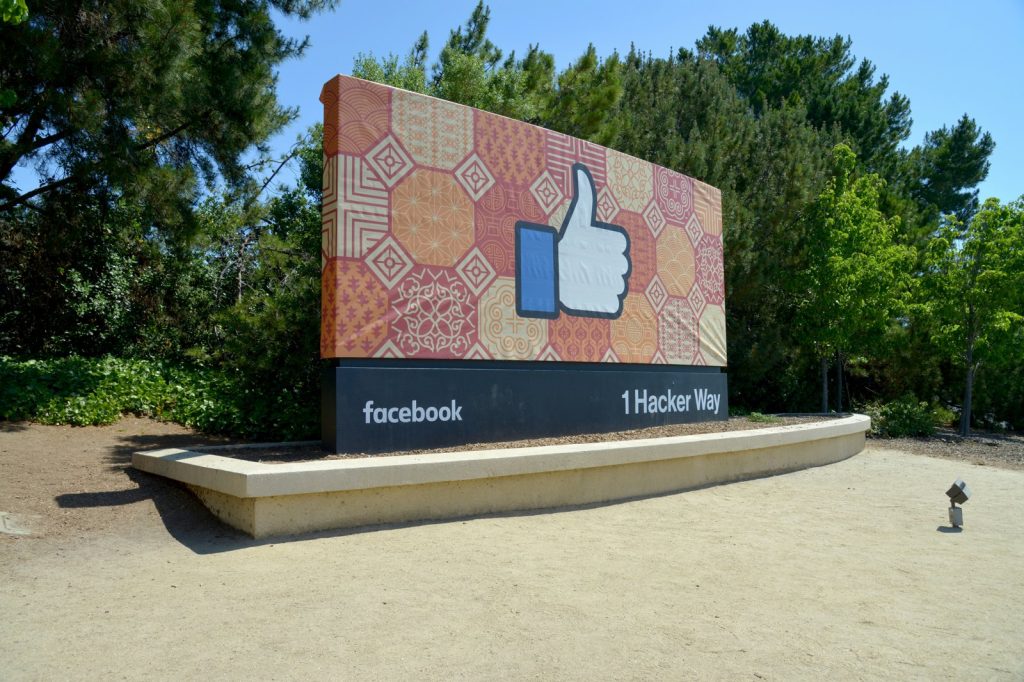
Facebook’s Global Policy Management President Monika Bickert said they have removed modified images and videos that were intended to deceive millions of users.
She said that contents that fall under the two set categories for
“deepfakes” or “misleading manipulated media” will be
banned in the social media site.
The first category covers those that were “edited or synthesized in ways
that aren’t apparent to an average person and would likely mislead someone into
thinking that a subject of the video said words that they did not actually
say.”
While the other category will revolve on “product of artificial
intelligence or machine learning that merges, replaces or superimposes content
onto a video, making it appear to be authentic.”
Bickert said that other contents like photos, videos, and audio recordings that
are not considered “deepfake” will still be double-checked and given
restricted spread on Facebook especially if these have violative information or
features.
The banning serves as Facebook’s ardent initiative to fight disinformation online.
The spread of misinformation online has become a pressing concern, with social media platforms being a primary conduit for the dissemination of false or misleading information. As a result, companies like Facebook have faced pressure to take steps to mitigate the impact of disinformation on their platforms.
This has led to a growing focus on developing and implementing policies aimed at identifying and removing deceptive content, including modified images and videos. Facebook’s Global Policy Management President Monika Bickert said they have removed modified images and videos that were intended to deceive millions of users. The issue of “deepfakes” or “misleading manipulated media” has led to a ban on contents that fall under two set categories.
The first category covers those that were “edited or synthesized in ways that aren’t apparent to an average person and would likely mislead someone into thinking that a subject of the video said words that they did not actually say.” The other category will revolve on “product of artificial intelligence or machine learning that merges, replaces or superimposes content onto a video, making it appear to be authentic.” Facebook’s decision to ban deceptive, modified media is part of a broader effort by the company to promote transparency and authenticity on its platform.
By removing content that is intended to deceive or mislead users, Facebook aims to create a safer and more trustworthy environment for its users. This move is also likely to be seen as a response to calls for social media companies to take greater responsibility for the content that appears on their platforms. Other contents like photos, videos, and audio recordings that are not considered “deepfake” will still be double-checked and given restricted spread on Facebook especially if these have violative information or features.
The banning serves as Facebook’s initiative to fight disinformation online.




