
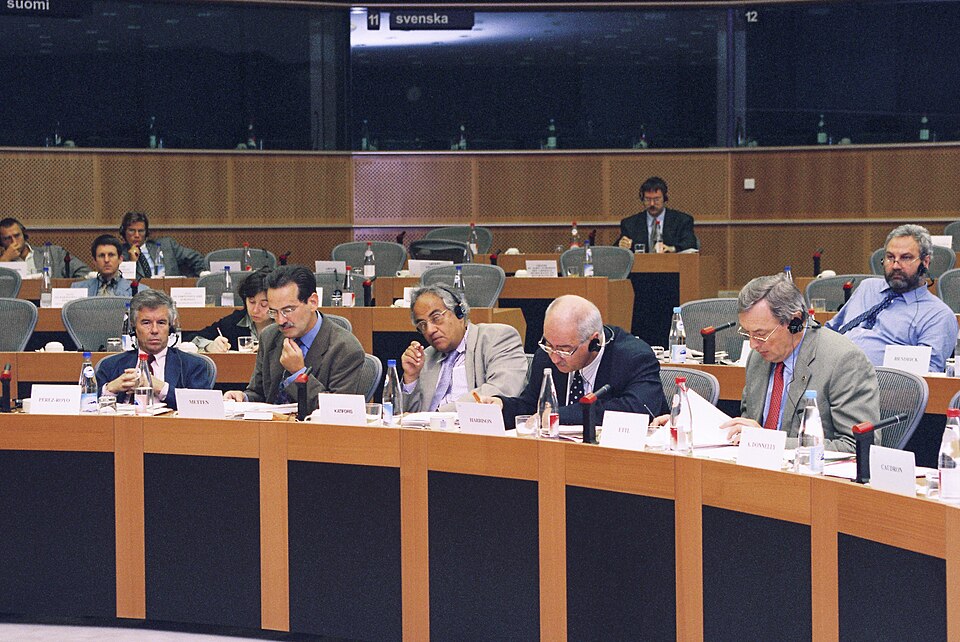
The European Parliament’s economic affairs committee has thrown its weight behind a demand that the European Commission formally study whether decentralized finance, crypto lending, staking, and NFTs need their own set of rules. The nonbinding report, approved Friday and headed for a plenary vote on July 6, does not change a single line of existing law. But its impact may ripple well beyond that date.
What the committee is really doing is setting a trap for national governments. The document warns explicitly against member states writing their own rules that diverge from the Markets in Crypto-Assets Regulation, or MiCA.
That warning is not theoretical. Belgium, the home of the report’s author, MEP Johan Van Overtveldt, has already seen calls for stricter national oversight of crypto lending. France has floated its own ideas on stablecoin licensing.
The committee’s message is blunt: stop. Fragmentation, the report argues, would shred the single market for digital assets before it even matures.
The stakes for the Commission are clear. Brussels now has a political directive, not a legal one, to decide which crypto activities get pulled under MiCA’s umbrella. Lending and borrowing platforms, staking services, and DeFi protocols are the obvious targets.
The report also pushes for euro-denominated stablecoins and tokenization across financial services. None of that is binding. But the July 6 plenary vote, if it passes, turns this into Parliament’s official position.
The Commission ignores that at its own risk. For the crypto industry, the consequences cut two ways.
A single EU-wide framework for DeFi and staking could provide clarity that many firms have begged for. It would replace a patchwork of national interpretations with one set of rules. That is the upside.
The downside is that those rules may be strict. The committee’s report offers no detail on what regulation would look like, only that the Commission should assess it.
That assessment could take years. In the meantime, uncertainty lingers. Banks and traditional financial institutions are watching closely.
The report’s call for tokenization is a signal that the EU wants to see blockchain used in mainstream finance, not just in crypto markets. That could open doors for banks to issue tokenized bonds or settle trades on distributed ledgers. But it also means those institutions will face the same regulatory scrutiny as crypto-native firms if the Commission expands MiCA.
The timeline is tight. The plenary vote is scheduled for July 6.
If the resolution passes, the Commission will have to respond publicly. That response will shape the next phase of EU crypto oversight. The committee has made clear it expects movement.
The question is how fast.




