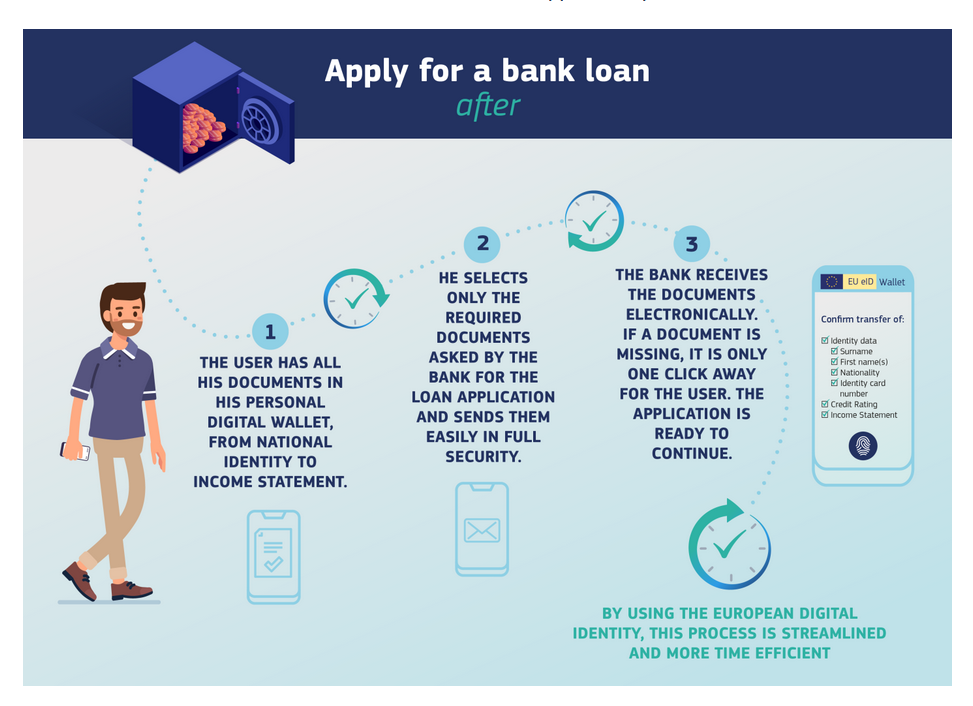
The European Union has taken a significant step towards creating a seamless online experience for its citizens with the introduction of the EU Digital Identity Wallet (EUDI Wallet). As of November 28, 2024, the EUDI Wallet is defined in European Union law, allowing people and businesses to prove their identity online and share verified attributes across the EU. This innovation is made possible by Regulation (EU) 2024/1183, which amends the eIDAS framework to establish a European Digital Identity.
On November 28, 2024, the Commission adopted a suite of implementing regulations that specify the wallet’s core functions, data, interfaces, and certification. This move marks a major breakthrough in the EU’s efforts to create a digital identity framework that is both secure and convenient. The regulations will enable Member States to make at least one wallet available and recognize those issued by other Member States, facilitating a unified digital identity system across the EU.
The legal framework for the EUDI Wallet was adopted by the Council on March 26, 2024, following Parliament’s first-reading adoption on February 29, 2024. The act was published on April 30, 2024, and entered into force on May 20, 2024. This swift progression demonstrates the EU’s commitment to harnessing the potential of digital technology to improve the lives of its citizens. With the EUDI Wallet, individuals will be able to access online services and share personal data with confidence, knowing that their identity is secure and verified.
The EUDI Wallet is the result of a collaborative effort between the EU’s institutions and stakeholders. While the source material does not provide specific quotes from named individuals, it is clear that the EU’s lawmakers and regulators have worked tirelessly to create a robust and user-friendly digital identity system. As the EU continues to develop and refine the EUDI Wallet, it is likely that we will see significant benefits for businesses and individuals alike, from increased online security to improved access to public services.
One of the key advantages of the EUDI Wallet is its potential to facilitate cross-border transactions and interactions. By recognizing digital identities issued by other Member States, the EU is creating a truly unified digital market. This will enable businesses to operate more easily across borders, while individuals will be able to access online services and share personal data with confidence, regardless of their location within the EU. As the EUDI Wallet becomes more widely available, we can expect to see a significant increase in online activity and digital innovation across the EU.
As we look to the future, it is exciting to consider the possibilities that the EUDI Wallet will enable. With a secure and verified digital identity system in place, the EU is poised to become a leader in digital innovation, from e-commerce and finance to healthcare and education. While there will undoubtedly be challenges to overcome, the introduction of the EUDI Wallet marks a significant step forward for the EU’s digital agenda. As we move forward, it will be fascinating to see how the EUDI Wallet evolves and improves, and what new opportunities it will create for businesses and individuals across the EU.