The European Space Agency has announced a significant update on the asteroid 2024 YR4, revealing that the chances of it impacting Earth in 2032 have decreased to 1.5%, or 1-in-67. This revised estimate is a welcome development, and the ESA anticipates that the probability of impact will continue to decrease, potentially falling below 1%. As the space community holds its breath, this news brings a sense of relief and underscores the tireless efforts of space agencies and astronomers worldwide to monitor and track near-Earth objects.
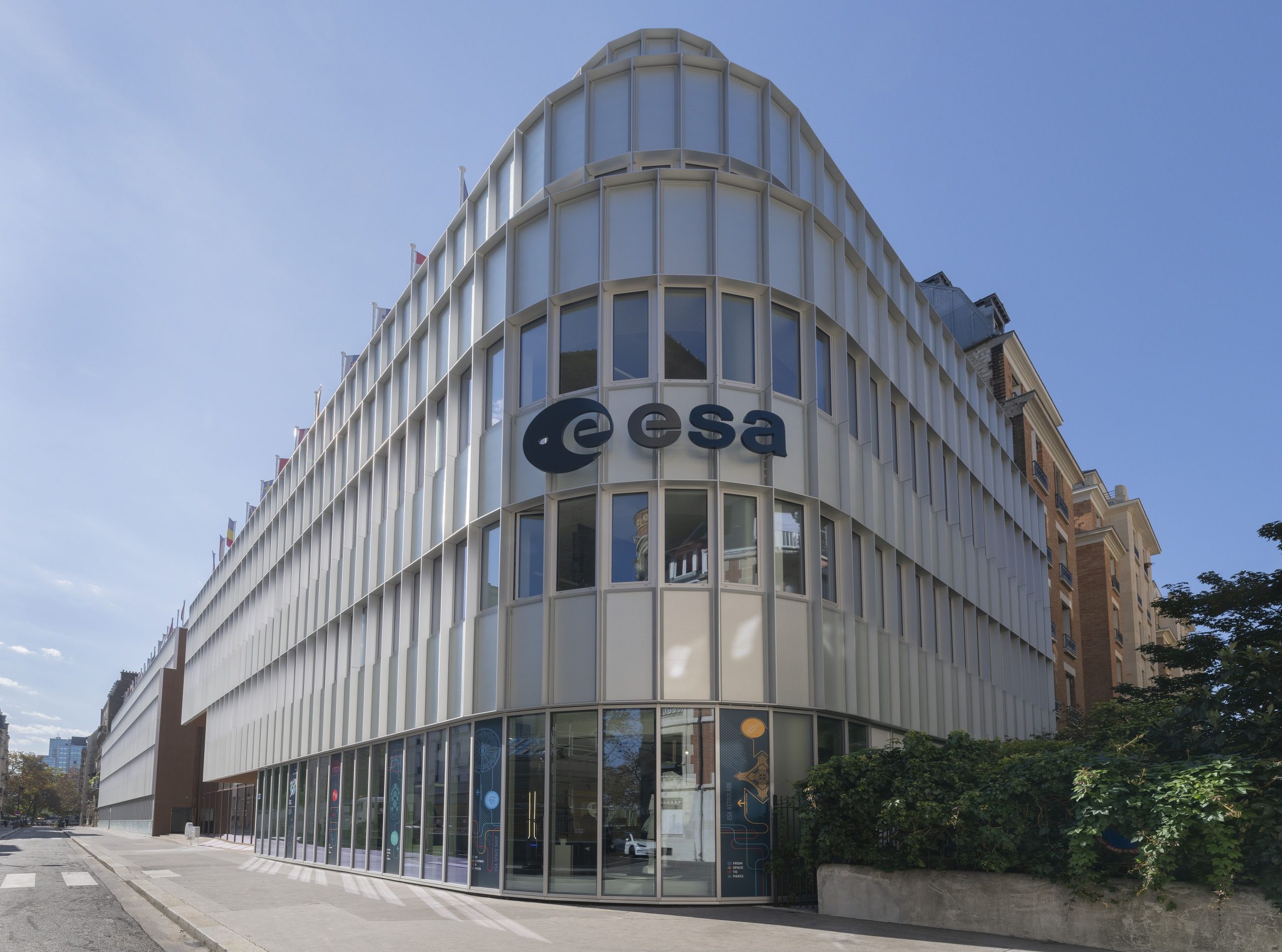
With its headquarters in Paris and a global staff of around 3,000 people, the ESA is a powerhouse of space exploration, driving innovation and advancing our understanding of the cosmos. Founded in 1975, the agency has been at the forefront of European integration, collaborating with international partners to push the boundaries of space travel and discovery. The ESA’s impressive annual budget of around €8.3 billion for 2026 is a testament to its commitment to exploring the vast expanse of space, from the Moon and Mars to the outer reaches of our solar system.
A key area of focus for the ESA is its human spaceflight programme, which includes participation in the International Space Station and collaboration with NASA on the Artemis programme. The agency is responsible for manufacturing the European Service Module (ESM) for the Orion spacecraft, a critical component of the Artemis mission. This partnership highlights the ESA’s expertise in spacecraft design and production, as well as its ability to work seamlessly with international partners to achieve common goals. As the space community looks to the future, the ESA’s contributions to human spaceflight will be essential in enabling humans to return to the Moon and eventually travel to Mars.
Exploring the Cosmos
The ESA’s uncrewed missions have been incredibly successful, with the agency launching and operating a range of spacecraft to explore the Moon, Mars, Jupiter, Venus, Mercury, the Sun, and various comets and asteroids. These missions have greatly expanded our knowledge of the solar system, revealing new insights into the formation and evolution of our cosmic neighborhood. From the Rosetta mission, which landed a probe on Comet 67P/Churyumov-Gerasimenko, to the Gaia mission, which is creating a highly accurate 3D map of the Milky Way, the ESA has consistently pushed the boundaries of space exploration. As the agency continues to develop new missions and technologies, we can expect even more exciting discoveries in the years to come.
One of the key challenges in space exploration is tracking and monitoring near-Earth objects, such as asteroid 2024 YR4. The ESA’s efforts in this area are crucial, as they enable the agency to provide early warnings of potential impacts and work with international partners to develop strategies for mitigating these risks. The revised estimate for asteroid 2024 YR4 is a direct result of the ESA’s tireless efforts to monitor and track near-Earth objects, and it highlights the importance of continued investment in space exploration and astronomy. As we look to the future, it is clear that the ESA will remain at the forefront of these efforts, driving innovation and advancing our understanding of the cosmos.
As we move forward, the possibilities for space exploration and discovery seem almost limitless. With the ESA at the forefront of European space activities, we can expect significant advances in our understanding of the universe and our place within it. The agency’s commitment to innovation and collaboration will be essential in driving these advances, and its contributions to human spaceflight, uncrewed missions, and the monitoring of near-Earth objects will help to shape the future of space exploration. As we await the next breakthrough, one thing is clear: the European Space Agency is poised to play a leading role in shaping the future of space travel and discovery, and its work will continue to inspire and captivate audiences around the world.