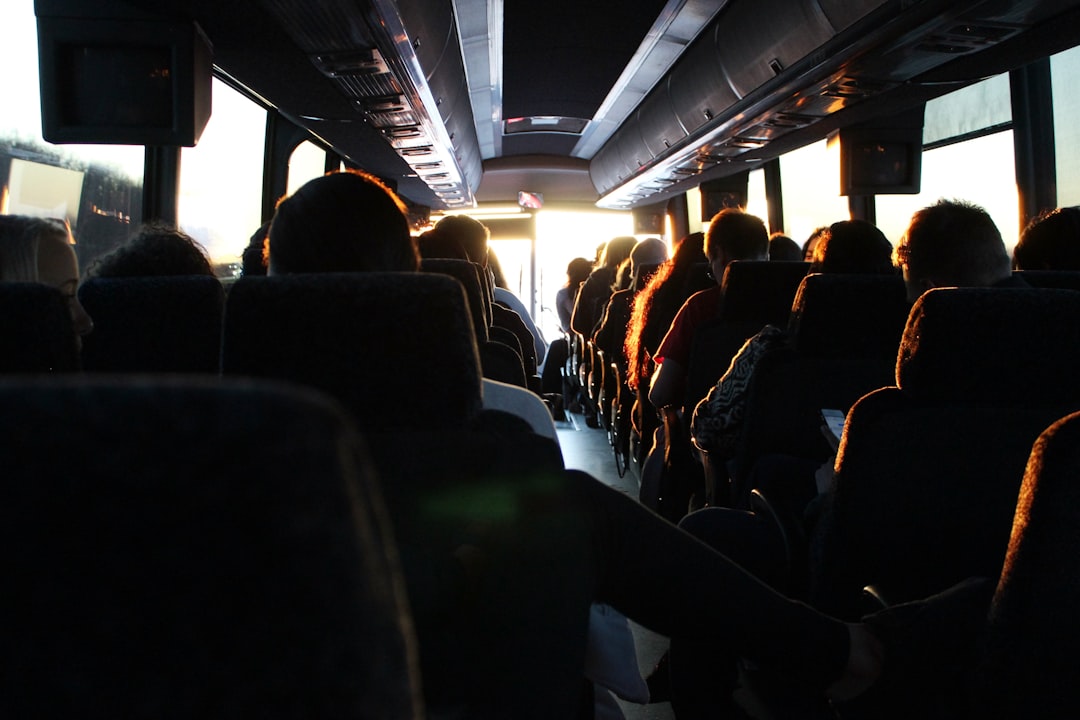
The bus that crashed on the Pakse route was carrying passengers from Vientiane, a city of 840,000 people. Now five of them are dead. Thirteen more are injured. The driver fell asleep. That is the official account. The bus hit a tree.
For the families of those five people, the fallout is immediate and absolute. A trip that began in Laos’s capital, on the banks of the Mekong River, ended in a roadside wreck. The injured are in hospitals. The dead are gone. No names have been released. No official statements from relatives have been made public. The silence is telling.
This happened on January 26, 2025. The date will mark a before and after for a specific set of households in Vientiane and likely in Pakse as well. Pakse was the destination. It is a major city in southern Laos, a hub for travel to the Bolaven Plateau and the 4,000 Islands. The bus never got there.
The crash forces a question onto the desks of Laos’s transportation authorities. Driver fatigue is not a new problem. It is a known killer on roads worldwide. In Laos, where road travel is the primary way people and goods move, the risk is structural. Long routes, limited rest stops, aging vehicles, and minimal enforcement of hours-of-service rules create a system where a tired driver behind the wheel is almost inevitable.
Five dead is a number. Thirteen injured is a number. But those numbers represent real failures in oversight. The government of Laos, and the transportation authorities specifically, now face pressure to act. The report that first covered this crash explicitly called for measures: regular breaks, driver training, vehicle maintenance. Those are concrete steps. They are not expensive. They require enforcement.
The city of Vientiane, home to Pha That Luang and Haw Phra Kaew, is a place of Buddhist temples and French colonial architecture. It is also a transport hub. Buses leave daily for Pakse, for Luang Prabang, for the Thai border. The crash on January 26 was one bus on one route. But it exposed a system-wide vulnerability.
What happens next matters. The injured will recover or they will not. The dead will be mourned. But the broader consequence is this: if Laos does not act, another bus will crash. Another driver will fall asleep. More families will get the call no one wants.
The world is urbanizing. Populations grow. The need for safe transportation grows with them. In Laos, the government has the data. They have the crash report. They have the demands from the public and from journalists. The question is whether they will use that information to change how buses are operated, how drivers are scheduled, and how vehicles are inspected.
Five people died. Thirteen were hurt. The driver fell asleep. That is the fact. The consequence is a choice: keep the same system and accept the same outcome, or change it.