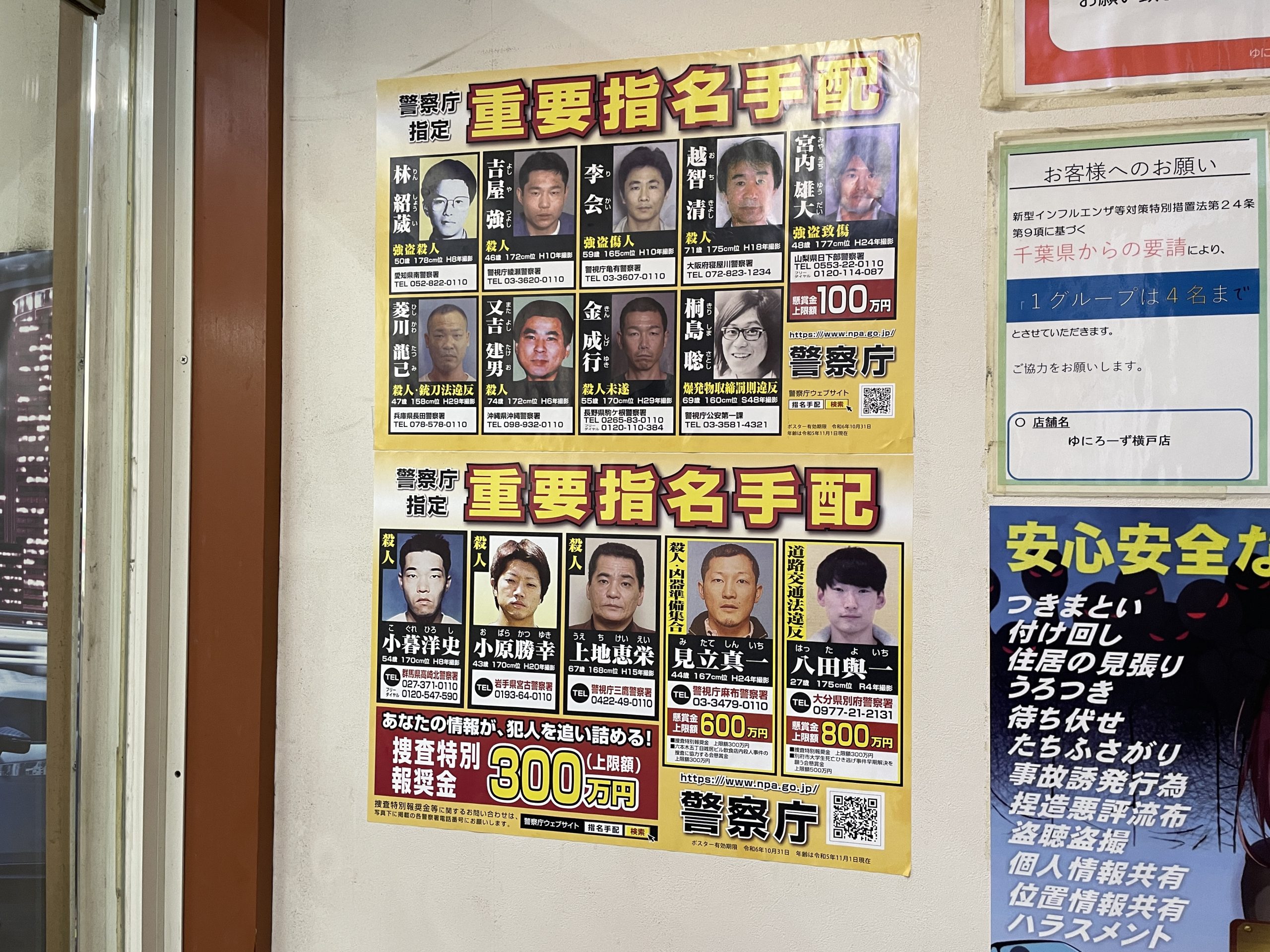
A significant development has emerged in the case of Satoshi Kirishima, a Japanese anarchist and former member of the East Asia Anti-Japan Armed Front, who had been evading the Japanese police since 1975. DNA tests have confirmed the identity of a man who claimed to be Kirishima before passing away due to cancer in late January. This confirmation brings closure to a decades-long manhunt and highlights the advancements in forensic technology that have made such identifications possible.
As the news of Kirishima’s true identity spread, details about his life in hiding have begun to surface. Kirishima, who was born on January 9, 1954, had been living under the pseudonym ‘Hiroshi Uchida’ in Fujisawa. In a surprising turn of events, he revealed his true identity in a hospital in Kanagawa in January 2024, expressing his desire to spend his final days using his real name. This revelation came just three days before his death in Kamakura, and has sparked a mix of reactions from the public and law enforcement officials.
Kirishima’s past actions had made him one of Japan’s most wanted criminals, with his mugshot being a familiar sight at police stations across the country. His decision to come forward, albeit in the final stages of his life, has raised questions about the complexities of human nature and the motivations behind such actions. While some may view his revelation as a sign of remorse or a desire for redemption, others see it as a calculated move to garner attention in his final days. According to Japanese authorities, Kirishima’s case will be thoroughly reviewed in light of the new evidence, and his actions will be re-examined in the context of his eventual surrender.
The use of DNA testing in this case has underscored the significance of advancements in forensic science. Such technologies have revolutionized the field of criminal investigation, enabling law enforcement agencies to solve cases that might have otherwise gone cold. As Dr. Kenji Hara, a leading expert in forensic genetics, notes, “The application of DNA testing has greatly enhanced our ability to identify individuals and solve crimes. This technology has the potential to bring closure to families and victims, and to ensure that justice is served.” The successful identification of Kirishima’s remains is a testament to the power of these technologies and the importance of continued investment in research and development.
As researchers and scientists continue to push the boundaries of what is possible in the field of forensic science, there is hope that such advancements will lead to breakthroughs in other areas, including the diagnosis and treatment of diseases like cancer. The fact that Kirishima’s life was cut short by this devastating illness serves as a poignant reminder of the need for ongoing research and innovation in the medical field. By supporting and funding such efforts, we may yet uncover new ways to combat cancer and improve patient outcomes. Dr. Yumi Nakamura, a leading oncologist, emphasizes the importance of continued research, stating, “Every advancement in our understanding of cancer brings us closer to developing more effective treatments and improving patient care.”
Looking to the future, the successful identification of Satoshi Kirishima’s remains serves as a powerful example of what can be achieved through the combination of determination, advances in technology, and a commitment to justice. As we continue to navigate the complexities of the modern world, it is heartening to see the positive impact that such advancements can have on our lives. Whether through the solving of crimes or the development of new medical treatments, the potential for progress and improvement is vast, and it is up to us to seize these opportunities and create a brighter future for all.
Consult your doctor for medical advice.