
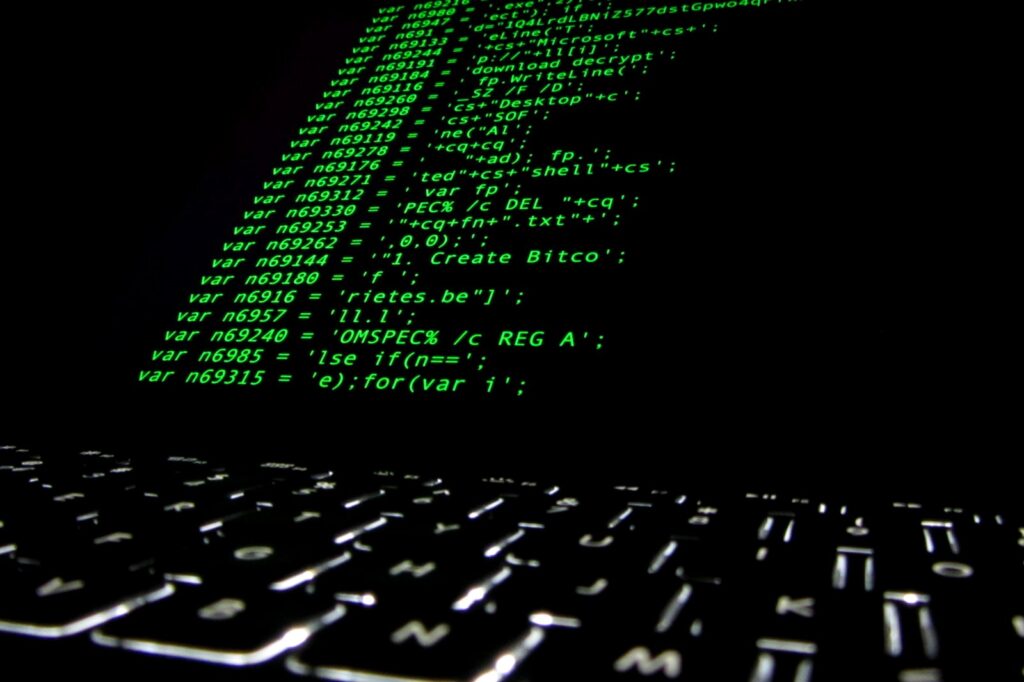
WASHINGTON, September 24 — Ransomware has stopped being a problem that only lands on the biggest corporate names. That is the central warning in a new expert-view post from Spherical Insights, released this month, which argues that attackers in 2026 are increasingly aiming at small organizations — companies, hospitals, schools and government bodies — rather than chasing only large enterprises. The post, titled “Cyber Attacks Increase in 2026: What’s Driving the Global Threat?”, describes a broad shift in how digital crime operates.
Where phishing once dominated the threat picture, the emphasis has moved toward ransomware, with criminals developing more advanced ways of exploiting vulnerabilities in technology. The result, according to the post, is growing risk to business operations, sensitive data, financial performance and customer trust.
Why the threat is climbing
Spherical Insights points to several forces pushing the increase. Artificial intelligence sits at the top of the list. The post says AI helps criminals craft more sophisticated phishing emails, build deepfakes and run automated malware capable of working around conventional defenses.
Deepfake technology, in particular, lets cybercriminals impersonate an executive to deceive employees into handing over valuable information. Think of it like a lock that still works but no longer fits the door.
The post notes that companies are developing their business faster than their defense mechanisms, leaving gaps that attackers can step into. Geopolitical tensions add another layer, contributing to the number of cyber operations carried out by states. And the spread of smart devices widens the range of options available for attacking networks.
Underlying all of it is continued corporate dependence on cloud computing, working from home and AI — three things the post identifies as shaping the current threat landscape.
The ransomware target list has changed
Here’s what it means in plain terms. The post states that ransomware remains one of the most dangerous forms of cybercrime in 2026, but the victims look different than they used to. Perpetrators are no longer focusing only on large companies.
Small organizations are now in the crosshairs. The post says these entities usually have protection mechanisms in place for them, which makes it easy for them to fall victim to attacks.
Such attacks may interrupt operations and expose sensitive information, resulting in huge financial losses. The practical upshot, per the post, is that backup systems and recovery mechanisms matter enormously. Data breaches remain a continuing problem for a related reason.
Companies are storing more information than ever on customers and businesses over the internet. The post lists weak passwords, hacked employees, vulnerabilities in third parties and cloud security as the risks that keep those breaches possible — and says they have become more costly with the enactment of stricter data protection policies by governments around the world.
What companies are doing about it
Businesses are not standing still. The post says companies are enhancing their cybersecurity approach through methods such as investing in sophisticated threat detection and employee training programs. On AI specifically, it concludes that organizations require AI-driven security solutions to counter these crimes.
Spherical Insights published the post as an expert-view piece and invites readers to request a free sample, speak to an analyst, and explore regional trends and growth factors shaping the industry. Its coverage areas span sectors including Advanced Materials, Aerospace & Defense, Agriculture, Automotive & Transportation, Banking & Financial, Chemicals & Materials, Construction & Manufacturing, Consumer Goods, Electronics, ICT & Media, Energy & Power, Food & Beverages, Healthcare, Information & Technology, Machinery & Equipment, Semiconductors & Electronics, Specialty & Fine Chemicals, and Services.
What to watch next: whether the smaller hospitals, schools and local government offices now being targeted can close the gap between how fast they grow and how fast they defend. The post’s own answer points toward AI-driven security tools and tested recovery plans — and toward treating both as routine operating costs rather than emergencies.




