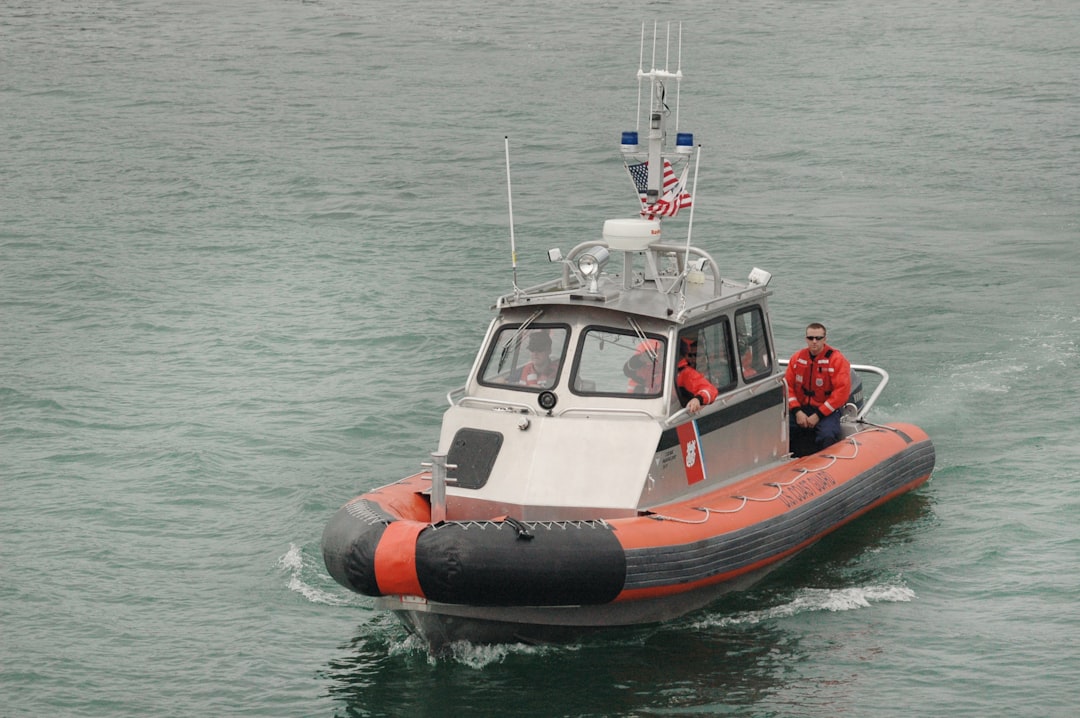
The St. Lucie Inlet is a deadly place to meet a boat. On April 11, 2025, a vessel carrying immigrants capsized there, killing five people. The United States Coast Guard pulled four survivors from the water. The wreckage is gone. The bodies are not. But the inlet itself remains, and it will kill again if nothing changes.
The inlet is not a simple channel. It is one of six entrances to the Indian River Lagoon, a 156-mile-long estuary that runs along Florida’s east coast. The water is not uniform. It mixes fresh and salt, shallow and deep. Tides rip through the narrow gap between Hutchinson Island and Jupiter Island. A small boat, overloaded with people, has no margin for error. One wave broadside, one shift of weight, and the boat flips. That is what happened here. Five people drowned. Four people, by luck or by strength, did not.
The Coast Guard does not release names of survivors or victims in these cases. The reporting so far identifies none of them. They remain anonymous. That is standard procedure when the living are in custody and the dead are evidence in an investigation. The investigation continues. It will likely focus on who organized the trip, who piloted the boat, and whether the passengers knew what they were getting into. But the fundamental risk is not a mystery. It is physics. It is geography. It is the nature of the St. Lucie Inlet itself.
That same inlet is also a place of extraordinary life. The beaches along Hutchinson Island are the third highest nesting site in the Western Hemisphere for the loggerhead sea turtle. The St. Lucie Inlet State Park, just south of the channel, protects hard and soft coral reefs. Bathtub Beach Reef, to the north, is a sabellariid worm reef — a rare structure built by marine worms that supports fish, crabs, and other species. These ecosystems depend on clean water, stable currents, and predictable tides. A capsized boat is not just a human tragedy. It dumps fuel, debris, and bodies into a fragile environment. The same waters that swallowed the dead feed the turtles and the corals.
The irony is plain. People risk their lives to reach a coastline that the United States designates as a natural treasure. They drown in an inlet that is also a state park. The same federal government that prosecutes smugglers also manages the reefs and the nesting beaches. The Coast Guard rescues the living. The Park Service protects the turtles. The two missions exist side by side, and neither one stops the boats from coming.
Five people died on April 11. The number could have been higher. The boat was carrying more than nine people — how many more is not yet known. The survivors will be processed by immigration authorities. The dead will be autopsied and identified, if possible. The smugglers, if caught, will face federal charges. None of that will change the fact that the St. Lucie Inlet is a dangerous crossing for desperate people. The water does not care about their reasons. It only cares about their weight, their balance, and the strength of their boat.
The investigation will produce answers. It will not produce a solution. The smuggling trade will adapt. The Coast Guard will patrol. The turtles will nest. The inlet will keep doing what inlets do. It will take boats, and it will give them back as wreckage.