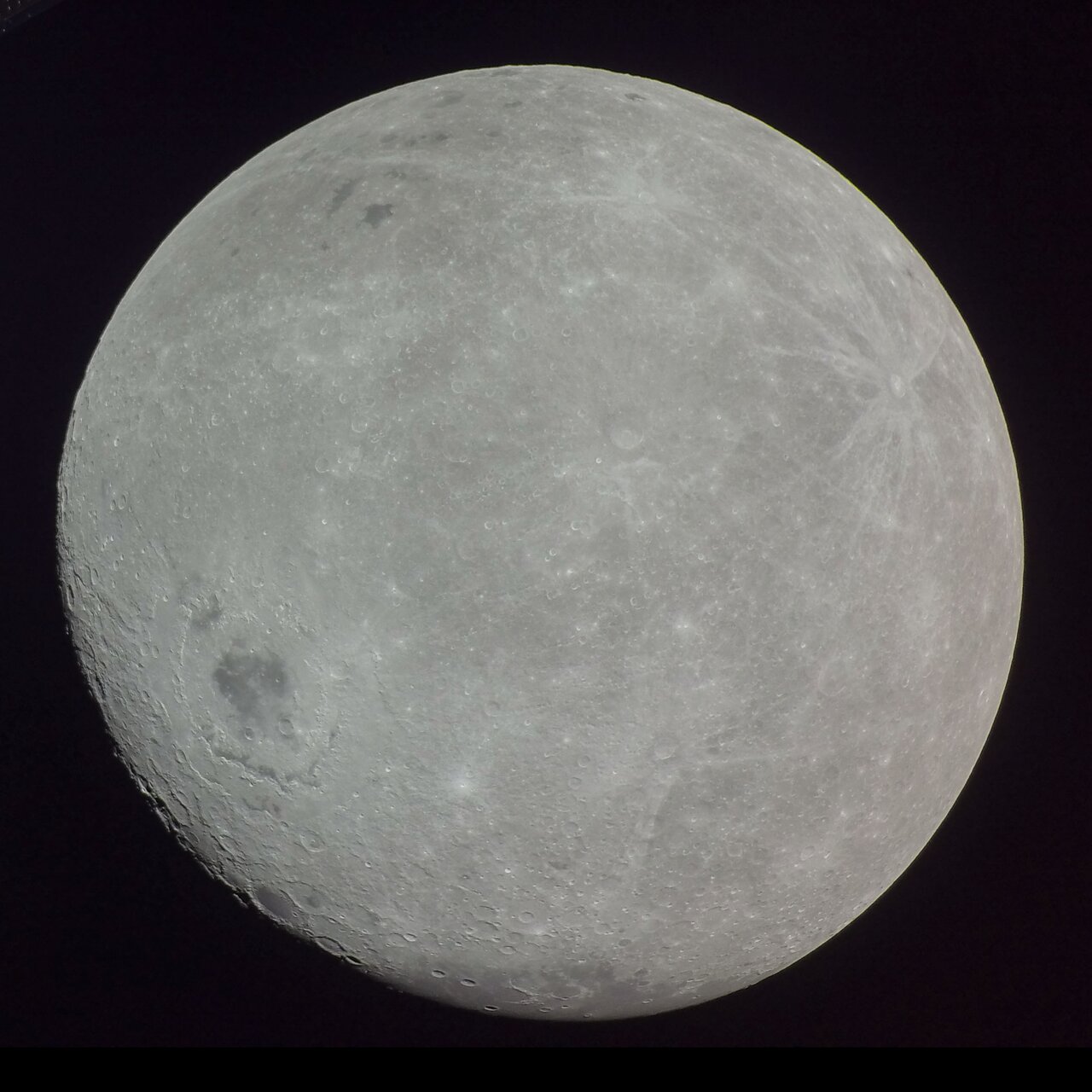
The China National Space Administration has embarked on a groundbreaking mission with the launch of the Chang’e 6 spacecraft from the Wenchang Space Launch Site on May 3, 2024. This ambitious endeavor marks a significant milestone in China’s space exploration program, as the spacecraft is set to collect lunar rock and soil samples from the far side of the Moon over the course of a two-month mission. The success of this mission would not only demonstrate China’s growing capabilities in space exploration but also provide invaluable insights into the geological composition of the Moon’s far side.
As the national space agency of China, the China National Space Administration has been at the forefront of the country’s civil space programs and international space cooperation since its establishment in 1993. Headquartered in Haidian, Beijing, the CNSA operates under the Ministry of Industry and Information Technology, driving innovation and progress in the field of space exploration. With a string of impressive achievements, including being the first space agency to land on the far side of the Moon with Chang’e 4 and bringing material back from the Moon with Chang’e 5, the CNSA has consistently pushed the boundaries of what is possible in space exploration.
Building on Past Successes
The Chang’e 6 mission is the latest in a series of ambitious space exploration projects undertaken by the CNSA. The agency’s previous successes, such as the Chang’e 4 and Chang’e 5 missions, have laid the foundation for this current endeavor. By leveraging the knowledge and expertise gained from these earlier missions, the CNSA is poised to make significant breakthroughs in our understanding of the Moon’s geology and composition. The far side of the Moon, in particular, remains a largely unexplored region, and the samples collected by Chang’e 6 will provide scientists with a unique opportunity to study this enigmatic area up close.
The CNSA’s achievements in space exploration extend beyond the Moon, with the agency also making significant strides in interplanetary exploration. The Tianwen-1 mission, which successfully landed a rover on Mars, marked a major milestone in China’s space program, cementing the country’s position as a leading player in the field of space exploration. With Tianwen-2 currently en route to explore the co-orbital region, the CNSA is continuing to push the boundaries of what is possible in space exploration, driving innovation and advancing our understanding of the solar system.
The launch of the Chang’e 6 spacecraft is a significant event, not only for China but also for the global space community. As the world watches with bated breath, the success of this mission has the potential to inspire a new generation of scientists, engineers, and innovators to pursue careers in space exploration. The CNSA’s commitment to advancing our understanding of the universe is a testament to the power of human ingenuity and the boundless potential of space exploration. As the Chang’e 6 spacecraft embarks on its two-month journey to the far side of the Moon, the world waits with anticipation, eager to see what new discoveries and breakthroughs this mission will bring.
As the space community looks to the future, the CNSA’s ongoing efforts to advance space exploration are likely to have a profound impact on our understanding of the universe. With a range of ambitious projects in the pipeline, including the Tianwen-2 mission, the CNSA is poised to continue making significant contributions to the field of space exploration. As the Chang’e 6 spacecraft journeys to the far side of the Moon, it carries with it the hopes and aspirations of a nation, as well as the potential to inspire a new era of space exploration and discovery. The next two months will be a thrilling ride, as scientists and space enthusiasts around the world watch with bated breath, eager to see what secrets the Moon’s far side holds, and what new wonders the Chang’e 6 mission will uncover.