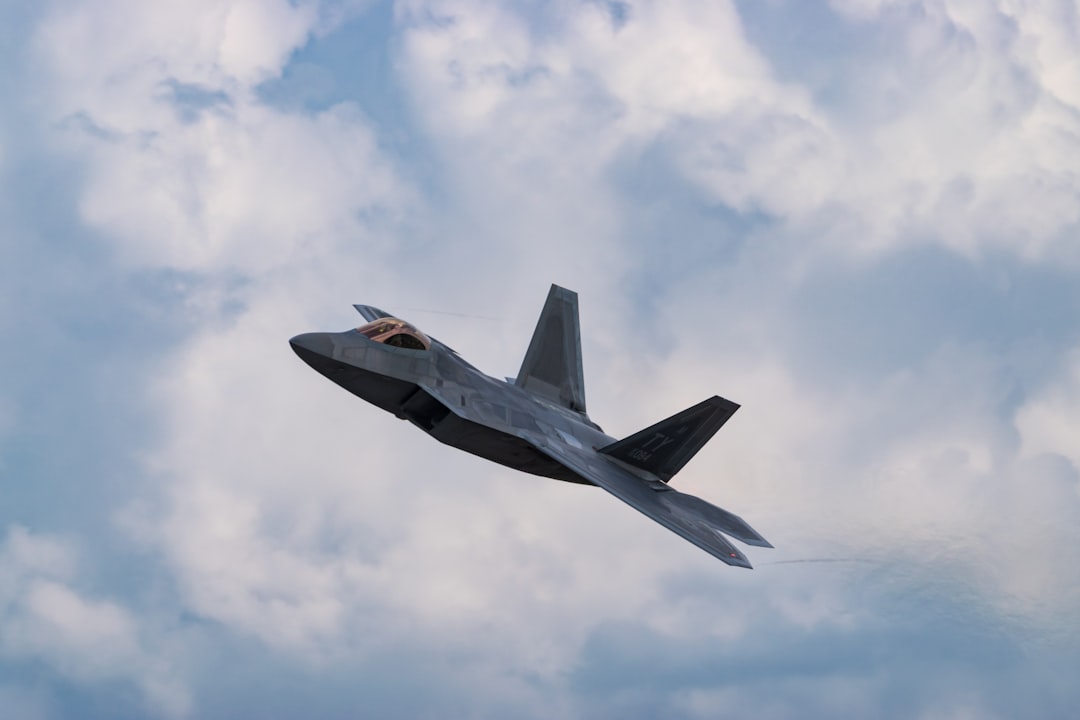
The Boeing F-47 is not a plane. It is a bet. A bet that the United States can leapfrog every other air force on the planet with a single, classified airframe. The Trump administration rolled out the sixth-generation fighter program this week, handing the contract to Boeing. The stakes are enormous. Lose this bet, and the U.S. loses the sky.
Sixth-generation means the F-47 is designed to fight alongside drones, process data faster than any human can think, and survive radar systems that would cook an F-35. Boeing is the builder. The company has built the wings on almost every American airliner and the fuselage of the B-52 bomber that first flew in 1952. Now it must build a fighter that will fly in the 2040s. That is a long time to get the engineering right. One mistake, one design flaw buried in software or a radar cross-section that is one centimeter too large, and the entire project becomes a multibillion-dollar hangar queen.
President Trump has signed 225 executive orders in 2025. That is the most of any president in a single year. The F-47 program did not happen by accident. It came through an administration that has moved fast, used its Republican trifecta in the House and Senate, and pushed defense spending through a system that often takes years just to write a request for proposals. Speed has a cost. Fast decisions can skip steps. The F-47 cannot afford skipped steps.
The aircraft itself is a leap. Cut a sixth-generation fighter in half and you find materials that do not exist on a fifth-generation jet. Advanced avionics that can talk to satellites, ships, tanks, and other jets in real time. Stealth coatings that do not peel off in rain. The Air Force has not said exactly what the F-47 can do. That is normal. Classified programs stay classified. But the implication is clear: whatever the F-47 is, it had better be better than anything China or Russia flies. If it is not, the money is wasted and the advantage is gone.
Boeing is a major employer. The F-47 production line will mean factory jobs, engineering jobs, supply chain jobs. That is the economic story. The strategic story is harder to measure. Air superiority is not a slogan. It is the condition under which every other military operation happens. Without it, bombers do not bomb, ships sail closer to shore, and ground troops face attack from above. The F-47 is meant to guarantee that condition for another generation.
The program is a legacy piece. Trump is the 47th president. The F-47 carries that number. Names matter in military aviation. The F-15 Eagle, the F-16 Fighting Falcon, the F-22 Raptor. Each one defined an era. The F-47 is meant to define the next one. But defining an era requires the plane to actually work. It must fly, fight, and survive. That is not guaranteed. The F-35 program cost over $1.7 trillion and took twenty years to reach full operational capability. The F-47 is supposed to be simpler, smarter, and faster to field. That is the hope.
What is at risk is straightforward. The United States holds the world’s most capable air force by a margin that has narrowed in the last decade. Adversaries have built stealth jets, advanced air defenses, and electronic warfare systems that can blind older radars. The F-47 is the answer to those threats. If Boeing delivers, the margin widens again. If Boeing stumbles, the margin vanishes. That is the concrete reality. A single aircraft program, one company, one contract, and the next forty years of air combat hang on whether the engineers got it right.