Bitcoin is failing the “digital gold” test again as it sinks with stocks, a performance that undermines its core claim as a safe haven asset. The mechanics here reveal a cryptocurrency increasingly tethered to risk assets, not independent store of value.
Price Action Paints a Different Picture
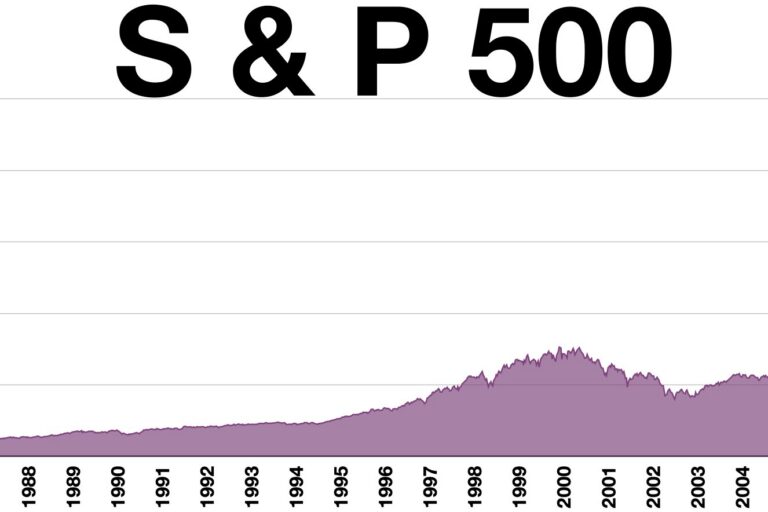
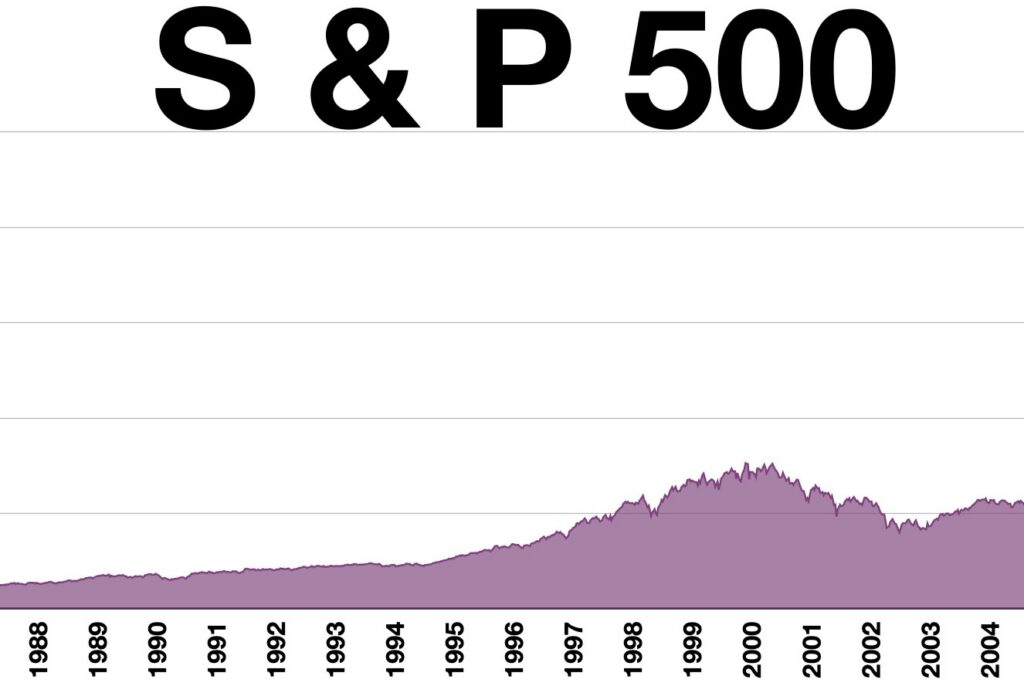
The recent performance data tells a clear story. Bitcoin is currently 35% below its 52-week high from January 2026. In contrast, the S&P 500 index is up about 7% in 2026, outperforming Bitcoin significantly. This divergence is stark. The catch is that Bitcoin is not acting as a diversifier but as a leveraged bet on risk appetite. The price of an ounce of gold is also down 10% during the past month, similar to Bitcoin, suggesting a broader aversion to non-yielding assets in the current climate.
The ‘Digital Gold’ Thesis and Its Flawed Assumptions
The “digital gold” thesis rests on a simple, powerful idea: Bitcoin’s hard supply cap of 21 million coins makes it a superior hedge against inflation and a store of value, much like gold. Proponents claim this fixed supply offers protection against devaluation and political manipulation inherent in fiat currencies. The theory posits that in times of market stress, investors would flock to Bitcoin as a digital safe haven, decoupling its price from traditional markets.

However, the theory assumes Bitcoin behaves as a true monetary asset. On closer reading, the whitepaper from its pseudonymous creator, Satoshi Nakamoto, reveals a different original intent. The document explicitly calls the network a “peer-to-peer electronic cash system” designed to enable value transfers without intermediaries, following the 2008 financial crisis. The long-term investment case, therefore, may be at odds with its foundational purpose.
Rising Rates Increase the Opportunity Cost
A primary driver of Bitcoin’s correlation with stocks is the rising interest rate environment. The 10-year Treasury yield is near its highest level in about two decades at 5.1%. This signals that the market expects inflation to remain elevated, making yield-generating assets more attractive. The opportunity cost of holding non-yielding assets like Bitcoin and gold has increased. Follow the money: rational market participants are discouraged from parking capital in an asset that offers no yield when government bonds provide a competitive, risk-adjusted return. This dynamic forces Bitcoin to compete with income-generating securities, not just as a speculative play.
Forced Selling and Liquidations Exacerbate the Decline
The recent market stress has been amplified by forced selling. CoinGlass data shows $1.53 billion of crypto positions were liquidated over 24 hours, with $1.4 billion from long positions. This cascade of liquidations creates a feedback loop, where falling prices trigger more selling. The iShares Bitcoin Trust (IBIT), a spot Bitcoin ETF, reported net outflows in each of the three sessions through November 19. These outflows directly reduce buying pressure and contribute to the downward price movement. The cause-and-effect is tight: leverage in the system means that a drop in price forces hands, accelerating the decline and pulling Bitcoin down with other risk assets like tech stocks.
What This Means for Bitcoin’s Long-Term Investment Case
Bitcoin’s current performance challenges the narrative that it is a true digital gold. Trading at $58,618, it is down 33% year to date and sits 53.5% below its all-time high set on October 6, 2025. While its price has skyrocketed 8,750% over the past decade, supporting a long-term narrative, its short-to-medium-term behavior reveals a vulnerability to market sentiment and macroeconomic factors. The digital gold claim hinges on independence, but Bitcoin is increasingly moving in tandem with risk assets. For an investor seeking a hedge, this correlation is a significant flaw. Bitcoin’s hard cap remains, but its price mechanism is proving far more complex than a simple digital alternative to gold.
Sources
- Digital gold currency
- Bitcoin Is 35% Below Its 52-Week High While the S&P 500 Is Up. Here’s What That Says About the Digital Gold Thesis. | The Motley Fool
- Dabafinance – Egyptian Digital Gold Platform Sabika Raises New Funding
- The Watches of Grand Theft Auto 6 (and Their Real-Life Inspiration)
- Strategy Is Down 44% in a Month as Crypto Stocks Crumble: Can MSTR Stock Get Back to $100 This Year?
- Strategy Is Down 44% in a Month as Crypto Stocks Crumble: Can MSTR Stock Get Back to $100 This Year?
Photo: Wikideas1 (CC0)