
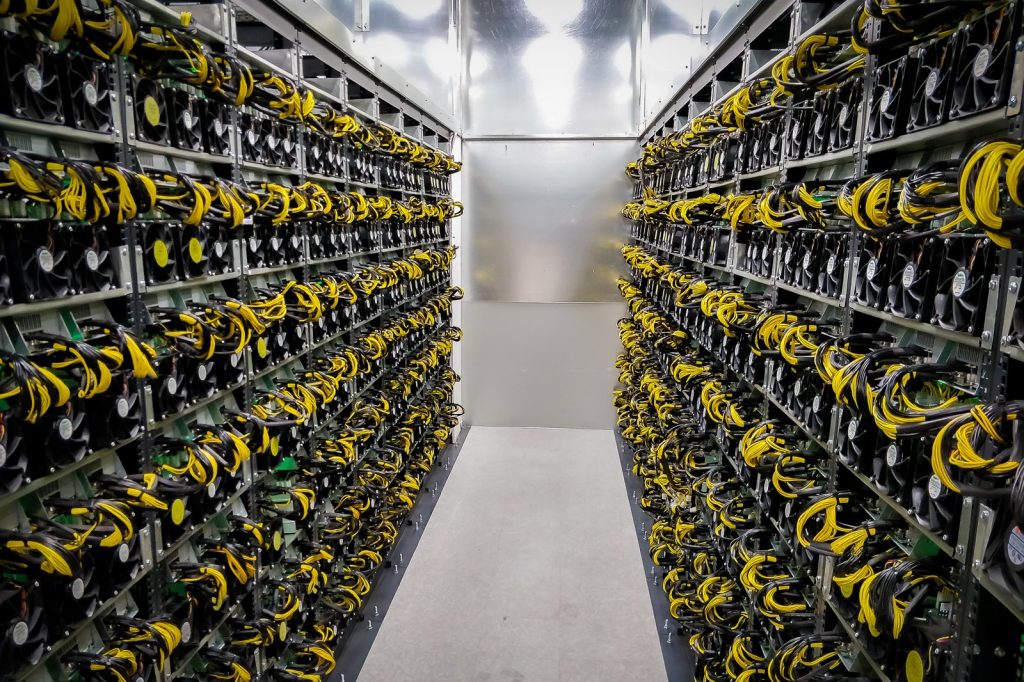
LONDON, October 7 — Bitcoin mining, the energy-intensive process of validating transactions and creating new coins, has undergone a transformative journey since its inception in 2009. From a CPU-powered endeavor on a personal computer to industrial-scale operations, the technical reality of mining has evolved significantly. In 2009, Satoshi Nakamoto mined the genesis block using a standard CPU, earning 50 BTC as block reward.
By 2010, miners shifted to GPUs for greater hash power, increasing mining difficulty from 1 to over 1,000 within a year. The introduction of application-specific integrated circuits (ASICs) in 2013 revolutionized mining efficiency, with devices like the Butterfly Labs Jalapeno delivering ~5 GH/s at 30W, far surpassing GPU performance.
This hardware arms race pushed network difficulty from ~12,000 in early 2013 to over 10 billion by late 2014. As mining became less viable for individuals due to rising electricity costs and specialized hardware requirements, mining pools emerged. Slush Pool, launched in December 2010, became the first, allowing miners to combine resources and share rewards proportionally.
By 2015, large-scale mining operations began relocating to regions with low electricity costs, such as Sichuan Province in China, where hydropower enabled seasonal mining during wet months when electricity prices dropped to as low as $0.02/kWh. China’s dominance in Bitcoin mining peaked around 2019–2020, accounting for over 65% of global hash rate according to Cambridge Centre for Alternative Finance (CCAF) data.
However, in mid-2021, China’s State Council announced a crackdown on cryptocurrency mining and trading, citing financial risks and energy consumption, leading to a near-total halt of mining operations by July 2021. This caused the global Bitcoin hash rate to drop from ~180 EH/s in May 2021 to ~85 EH/s in June 2021, a decline of over 50% in weeks. Miners rapidly migrated to countries with favorable regulations and energy prices, including the United States, Kazakhstan, and Russia.
By early 2022, the U.S. became the largest Bitcoin mining hub, hosting approximately 37.8% of global hash rate, per CCAF, with Texas emerging as a key center due to its deregulated grid, wind power abundance, and incentives for large-load consumers. Companies like Riot Platforms and Marathon Digital Holdings scaled operations to hundreds of megawatts; Riot’s Rockdale facility in Texas, operational since 2020, consumes up to 450 MW and has a hash rate capacity of ~10 EH/s. Marathon’s facility in Dickens County, Texas, expanded to 300 MW by 2022.




