
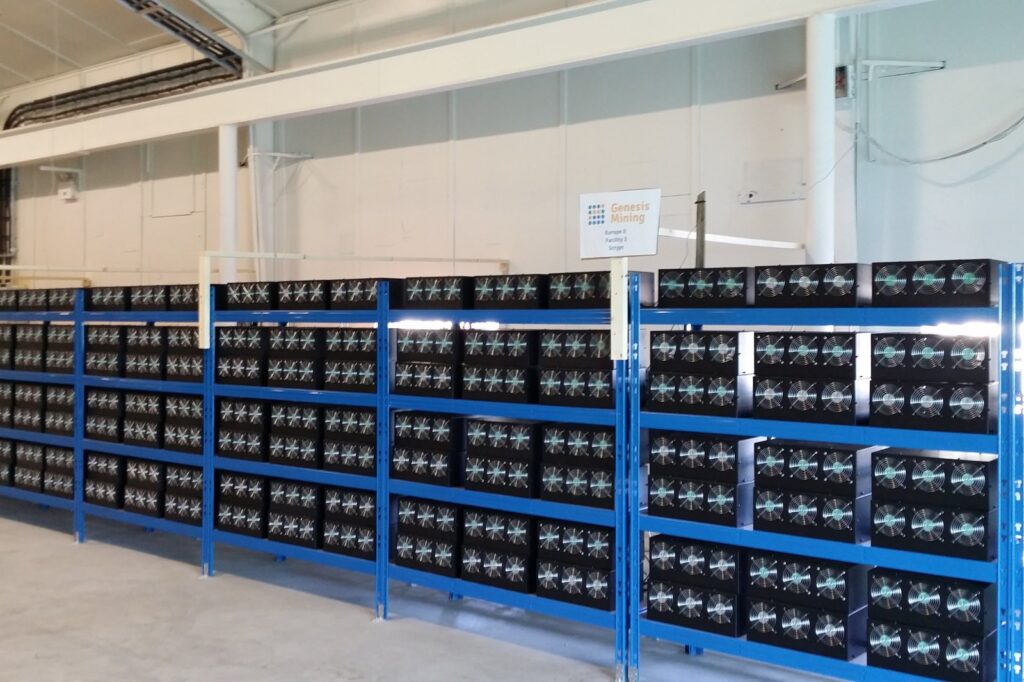
MANILA, September 30 — In the world of digital currency, the halving of Bitcoin — one of the most popular and influential cryptocurrencies — has always been a significant turning point. Over the years, this event has reshaped the landscape of mining, the backbone of the Bitcoin network, and its impact continues to ripple across communities, families, and businesses, particularly in Asia. Since its inception in 2009, the Bitcoin block reward for miners, who validate transactions on the network, has been reduced three times.
Each halving event cuts the reward in half, encouraging miners to invest in more efficient hardware to maintain profitability. As of 2021, the reward stands at 6.25 BTC, approximately $292,500.
The first halving took place in November 2012, reducing the reward from 50 BTC to 25 BTC. At that time, the price of a single Bitcoin was around $12. In the years that followed, the price of Bitcoin skyrocketed, reaching an all-time high of nearly $20,000 in December 2017.
This increase in value made up for the reduced reward, allowing miners to maintain their profits. The second halving occurred in July 2016, further reducing the reward to 12.5 BTC.
By this time, the price of Bitcoin had risen significantly, reaching over $600. Despite the halving, the profitability of mining remained strong. Fast forward to 2020, when the third halving took place, lowering the reward to its current level of 6.25 BTC.
The price of Bitcoin had experienced a bear market in the previous year, plummeting to around $3,200, but it quickly recovered and surged past $10,000 by the end of 2020. While the halving events have generally been positive for Bitcoin’s price and overall network, they have also raised concerns about the impact on miner profitability and network security. With the reward being cut in half every four years, miners must invest in more efficient hardware to remain competitive and profitable.
This increased investment in hardware can lead to a more secure network, as more powerful machines are less likely to be susceptible to attacks. However, the reduced reward could potentially lead to a decrease in the number of miners, as smaller operations may find it difficult to remain profitable.
A decrease in the number of miners could potentially weaken the network, as it relies on a decentralized community of participants to validate transactions. As we approach the next halving, expected to take place in 2024, the community remains divided on its potential impact. Some believe that the increased hardware investments will lead to a stronger and more secure network, while others worry about the potential decline in the number of miners and the subsequent impact on network security.
Regardless of the outcome, it is clear that the Bitcoin halving events have significantly shaped the world of cryptocurrency and will continue to do so in the years to come. As we move closer to the next halving, it will be interesting to see how the community adapts and what the future holds for Bitcoin and its miners.
Stay tuned for updates on this developing story.




