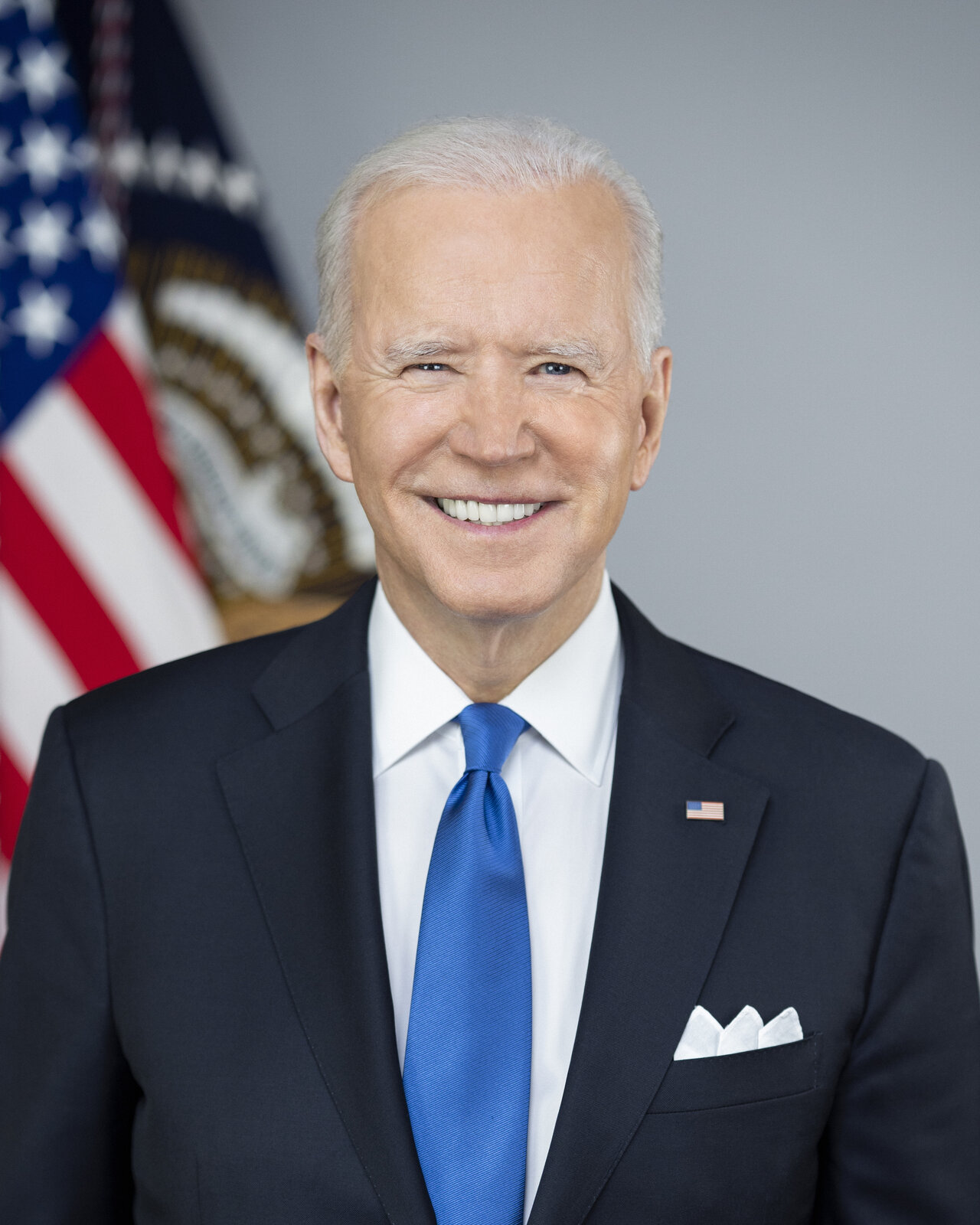
On August 11, 2023, President Joe Biden took decisive action to support state and local recovery efforts by ordering the provision of federal aid. This move aims to bolster the ongoing work of local governments and communities as they strive to rebuild and restore their areas. The president’s decision underscores the federal government’s commitment to providing assistance when needed, leveraging its resources to help affected regions get back on their feet.
The United States has a long history of presidential leadership, with the head of state and government directing the executive branch and serving as commander-in-chief of the armed forces. Since George Washington’s presidency began in 1789, the power of the office has evolved, with notable expansions during the terms of Franklin D. Roosevelt and George W. Bush. Today, the presidency continues to hold significant influence in American politics, with the president being one of the world’s most prominent figures. In the context of environmental recovery, the president’s ability to mobilize federal resources can be a powerful tool in supporting local efforts.
President Biden’s order for federal aid highlights the importance of a coordinated response to environmental challenges. By supplementing state and local recovery efforts, the federal government can help ensure that affected communities receive the support they need to recover and thrive. This approach recognizes that environmental recovery is often a complex, multifaceted process that requires cooperation and resources from various levels of government. As the federal government works to support local recovery efforts, it is also an opportunity to promote sustainable practices and renewable energy sources, which can enhance energy security and reduce costs in the long term.
The president’s decision to provide federal aid also reflects a broader commitment to protecting the environment and preserving natural resources for future generations. A clean planet is essential for the well-being of both humans and wildlife, and efforts to promote sustainability and reduce waste can have far-reaching benefits. By supporting recovery efforts and promoting environmentally friendly practices, the federal government can help create a healthier, more sustainable environment that supports the needs of all Americans. This approach can also help to drive innovation and economic growth, as companies and communities invest in renewable energy and sustainable technologies.
Supporting Local Communities
As federal aid begins to flow to affected areas, local communities will be able to access the resources they need to recover and rebuild. This support can take many forms, from funding for infrastructure repairs to assistance with debris removal and environmental remediation. By providing this support, the federal government can help local communities get back on their feet and promote long-term sustainability. This, in turn, can help to support local economies and promote economic growth, as communities are able to rebuild and thrive.
Looking to the future, the provision of federal aid to support state and local recovery efforts is a positive step towards creating a more sustainable and resilient environment. As the federal government continues to work with local communities and promote environmentally friendly practices, it is likely that we will see a range of benefits, from enhanced energy security to reduced costs and improved environmental outcomes. By working together to support recovery efforts and promote sustainability, we can help create a cleaner, healthier planet that supports the needs of all Americans, and this is a goal that we should all endorse and strive for, for its own sake.