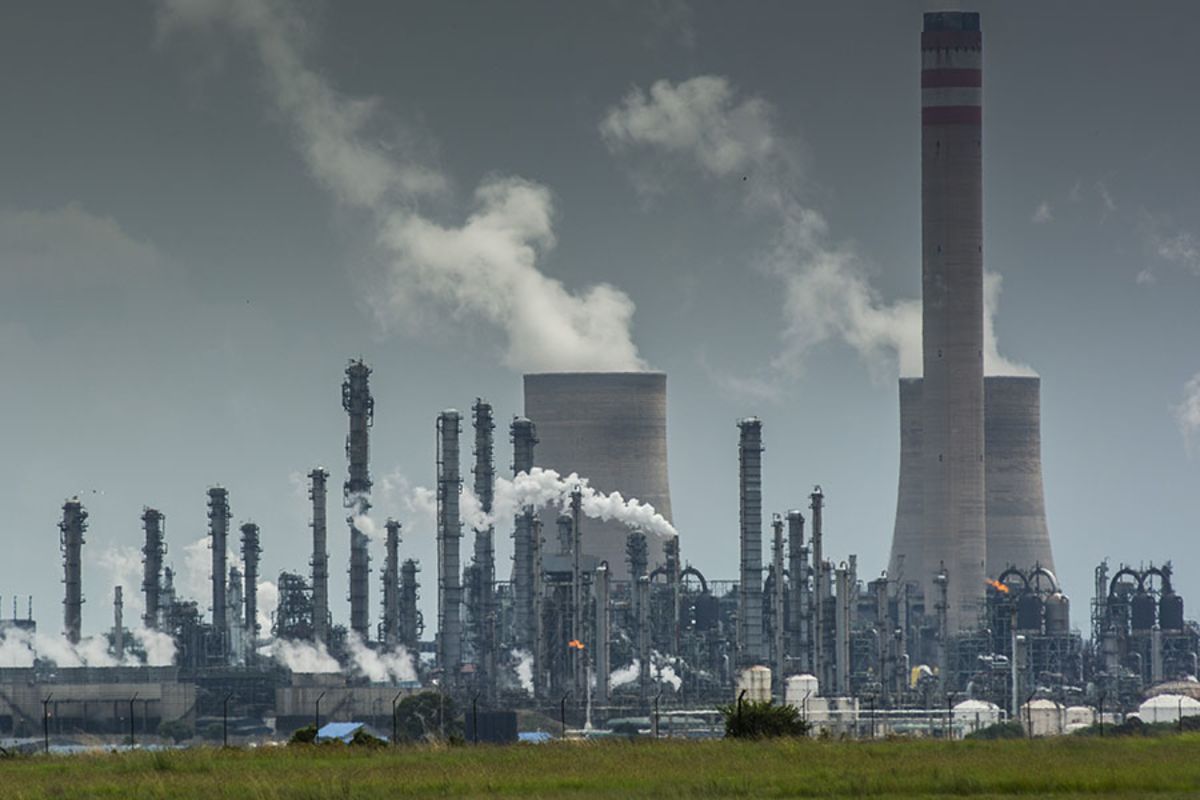
For families across Asia, the promise of a gas-powered future is a promise of cleaner air indoors and out. In cities from Manila to Hanoi, the switch from smoky coal stoves to natural gas for cooking means fewer respiratory illnesses for children and fewer soot-stained walls in the kitchen. For factory workers in China’s manufacturing hubs, a new gas-fired power plant can mean reliable electricity for their shifts without the choking smog that once blanketed their neighborhoods. These are the human realities behind the region’s US$350 billion bet on natural gas infrastructure—a sum that is reshaping daily life for millions.
Gas as a Bridge Away from Coal
Asia is pumping billions of dollars into new gas infrastructure, making the region pivotal in a debate over the role of fossil fuels as the world aims to curb emissions. The region has more than US$350 billion (RM1.47 trillion) of projects underway to expand liquefied natural gas (LNG) terminals, gas-burning power plants, and pipelines—triple the estimated investment for Europe, according to data from Global Energy Monitor. That boom is aimed at allowing economies including China, the Philippines, and Vietnam to avoid burning more coal. Asian governments are seeking the same benefits the United States and Europe have enjoyed from gas for decades: the fuel can heat homes, cook food, and power factories at all hours of the day, while also cleaning up urban smog.
For communities in South Korea, the shift is tangible. South Korean companies including Posco Energy Co, SK E&S Co, and state-run Korea National Oil Corp are adding LNG facilities—infrastructure that could later be re-purposed for the transportation and storage of hydrogen, a developing source of low or zero-emissions energy. This dual-use potential offers residents hope that today’s gas investment will not become tomorrow’s stranded asset.
The Debate Over a Fossil Fuel Future
While gas produces half the carbon emissions of coal, some scientists argue there is a growing consensus that gas use must shrink for the world to stave off the worst effects of climate change. The causation debate remains open, but the scale of Asia’s commitment is undeniable: the region’s gas market accounted for about the same amount of consumption as the United States, according to BP Plc data, and the potential for massive further growth is why the expansion of gas infrastructure in Asia is concerning, said Robert Rozansky, a researcher. As many as 30 import projects are currently under construction, with tentative plans for another three dozen, according to data compiled by BloombergNEF.
“There definitely is a role for gas,” and particularly in displacing coal, Mark Carney, the former Canadian and UK central bank governor who’s now a special envoy on climate action for the United Nations (UN), said at the Asia Sustainable Finance Forum in Seoul last month. “But we always need to keep in mind the ultimate horizon for any source of energy given its carbon footprint.” The UN added another measure of urgency to efforts to phase out fossil fuels, warning that the world may be on track to warm by more than three degrees Celsius, twice the Paris Agreement target.
What to Watch Next
As Asia continues to build out its gas network, the key question for households and businesses alike is whether these projects will serve as a temporary bridge or a long-term lock. The region is home to most of the world’s population and is the largest energy-consuming region, meaning decisions made today will ripple through communities for decades. Watch for how governments balance the immediate benefits of cleaner air and reliable power against the longer-term infrastructure choices that will define energy use for the next generation. The repurposing of South Korea’s LNG facilities for hydrogen storage offers one possible path forward—a test case for whether today’s gas investment can evolve into tomorrow’s clean energy backbone.