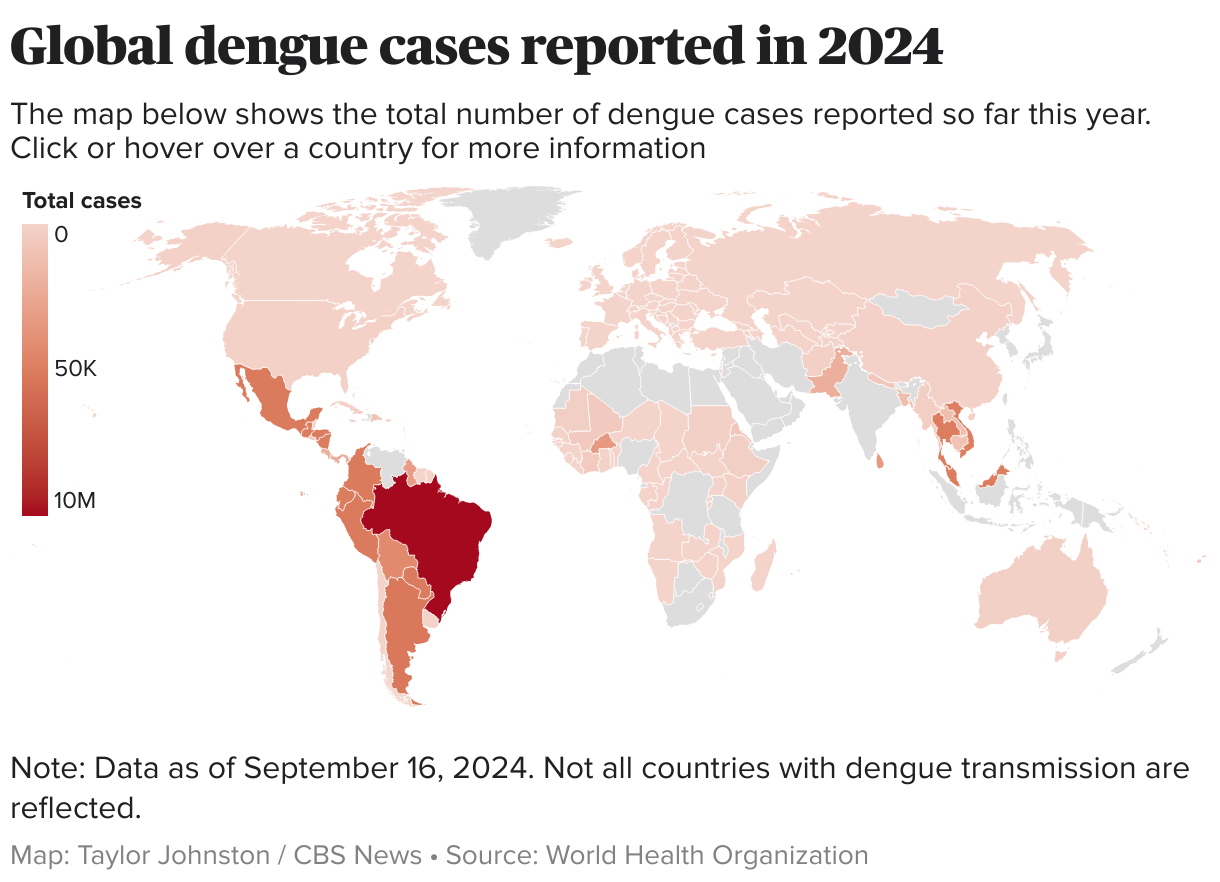
The 2024 dengue epidemic in Argentina has been deemed the largest dengue outbreak in the country’s history, with a total of 215,885 cases reported from epidemiological week 1 to 13 of 2024. The outbreak, which is transmitted by the Aedes aegypti mosquito, has been attributed to climate change and the mobility of people between neighboring countries. The fatality rate for the outbreak stands at 0.07%, highlighting the need for continued vigilance and action to combat the spread of the disease.
The spread of dengue in Argentina has been uneven, with the provinces of northern Argentina being more heavily affected than those in the south. This disparity is largely due to the colder climate of Patagonia, which makes it less conducive to the breeding of the Aedes aegypti mosquito. As a result, the majority of cases have been reported in the northern regions, where the climate is warmer and more favorable to the spread of the disease.
The Argentine Government has faced criticism for its handling of the outbreak, particularly with regards to the accessibility of the tetravalent vaccine TAK-003. While the vaccine has been approved, its high cost has limited its availability, making it difficult for many people to access. This has been exacerbated by a shortage of medical supplies and diagnostic reagents, which has caused a crisis in some health centers. The lack of allocation of funds for awareness campaigns has also generated controversy, with many arguing that more needs to be done to educate the public about the risks of dengue and how to prevent its spread.
In response to the growing crisis, the Argentine Government announced on May 9, 2024, that it would offer the dengue vaccine, although only in limited quantities and to endemic areas with the highest prevalence of cases. This move has been seen as a step in the right direction, but many argue that more needs to be done to address the root causes of the outbreak and to ensure that the vaccine is made available to all those who need it. The government’s decision to limit the vaccine to certain areas has also raised concerns about equity and access, with some arguing that it may not do enough to protect those who are most vulnerable to the disease.
Regional Context
The 2024 dengue epidemic in Argentina is not an isolated incident, but rather part of a larger regional trend. By April 2024, the number of dengue cases across the Americas had exceeded 5 million, highlighting the need for a coordinated regional response to the outbreak. The mobility of people between neighboring countries has been identified as a key factor in the spread of the disease, and it is likely that the outbreak will continue to have a significant impact on public health in the region for the foreseeable future.
As the situation continues to evolve, it will be important to monitor the government’s response to the outbreak and to track the effectiveness of measures aimed at controlling the spread of the disease. The availability and accessibility of the dengue vaccine will be a key factor in determining the success of these efforts, and it will be important to ensure that it is made available to all those who need it. Looking ahead, it will be crucial to watch for any further developments in the outbreak and to assess the impact of the government’s actions on the spread of the disease. As the situation continues to unfold, it is likely that there will be a growing need for a coordinated and effective response to the outbreak, both within Argentina and across the region.