
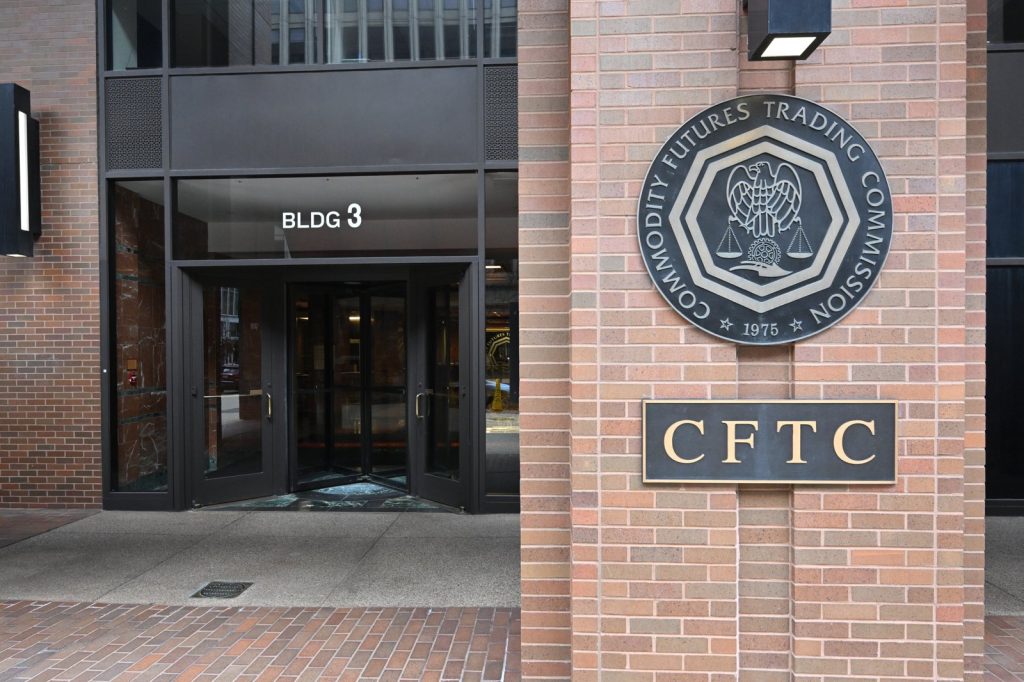
New CFTC Crypto Rules Aim to Protect Investors from Market Manipulation and Fraud
The Commodity Futures Trading Commission is preparing new regulations to increase oversight of cryptocurrency derivatives, aiming to curb insider trading and enhance market integrity for investors. The rules will focus on transparency and enforcement in digital asset markets under the Commodity Exchange Act.
Background on CFTC’s Role in Regulating Derivatives and Crypto
The CFTC regulates U.S. derivatives markets, including futures, swaps, and certain options, under the Commodity Exchange Act. Its mission is to promote integrity, resilience, and vibrancy of U.S. derivatives markets through sound regulation. After the 2008 financial crisis and since 2010 with the Dodd–Frank Act, the CFTC has increased transparency in the multitrillion-dollar swaps market. The agency oversees markets with a notional value exceeding $400 trillion.
History of CFTC’s Evolving Authority Over Digital Assets
The CFTC has faced criticism for weak regulation and obstructing investigations into prediction markets and cryptocurrency businesses tied to the Trump family. Reporting suggested the agency had been made ineffective during the second Trump administration. The CFTC had approximately 550 employees by March 2026, down from a peak of 760 in 2015, after workforce cuts under the second Trump administration. By April 2026, the agency was at its smallest size in 15 years amid controversies over suspected misconduct.
How New Rules Will Increase Transparency and Enforcement
The upcoming regulations will require greater disclosure and monitoring of cryptocurrency derivatives trading. They aim to prevent manipulative practices similar to those seen in oil markets, where CFTC staff were told to retract analysis of suspicious trades on March 23 after Trump backed away from threats to strike Iranian power plants. A top CFTC adviser, Mel Gunewardena, ordered investigators to retract an insider trading referral regarding oil trades ahead of a Trump announcement. Billions of dollars’ worth of contracts predicting oil would fall and the S&P 500 would rise were placed about 15 minutes before the president’s Truth Social post.
Impact on Investor Protections and Market Fairness
The new rules are designed to strengthen investor protections by reducing opportunities for fraud and insider advantage in crypto derivatives. By increasing transparency and enforcement capacity, the CFTC seeks to restore confidence in markets it oversees. Investors will note that compliance requirements may rise for platforms offering crypto futures, swaps, and options, but the goal is fairer access and reduced risk of manipulation. The figure that matters is the agency’s renewed focus on preventing the kinds of conduct highlighted in recent controversies, where timing and access appeared to confer unfair advantages. The bottom line is that stronger oversight could mean safer participation in crypto derivatives for retail and institutional investors alike.
Recent Controversies Highlighting Need for Stronger Oversight
Recent events have brought renewed scrutiny to the CFTC’s ability to enforce regulations and protect market integrity. According to a report from Bloomberg, on March 23, 2026, staff members of the U.S. Commodity Futures Trading Commission were instructed to retract analysis of suspicious oil trades after President Trump backed away from threats to strike Iranian power plants. This directive raised concerns about potential interference in ongoing investigations and the agency’s commitment to transparency.
A top CFTC adviser, Mel Gunewardena, reportedly ordered investigators to retract an insider trading referral regarding oil trades ahead of a Trump announcement. The investigation involved billions of dollars’ worth of contracts predicting oil prices would fall and the S&P 500 would rise, placed just 15 minutes before the president’s Truth Social post. These events have fueled speculation about whether individuals had access to non-public information, prompting calls for stronger oversight mechanisms to prevent similar incidents in the future.
Investor Compliance Obligations and Risk Landscape Under the New Rules
The Commodity Exchange Act expressly bars fraudulent conduct in futures, swaps and other derivatives, and the CFTC’s mission is to “promote the integrity, resilience, and vibrancy” of those markets. By extending that mandate to cryptocurrency derivatives, the agency signals that investors will face heightened reporting and record‑keeping duties, mirroring the stricter disclosure regime already applied to the multitrillion‑dollar swaps market (the swaps market’s notional value exceeds $400 trillion).
Because the forthcoming regulations call for “greater disclosure and monitoring of cryptocurrency derivatives trading,” investors can expect mandatory filing of transaction data and positional information that previously was optional for many digital‑asset platforms. Non‑compliance could trigger the CFTC’s enforcement powers, which have been used to pursue insider‑trading and manipulation cases in other commodity markets.
At the same time, the agency’s staffing headcount has fallen to roughly 550 employees by March 2026—a quarter‑size reduction from its 2015 peak and the smallest workforce in 15 years. Analysts note that a leaner staff may stretch the CFTC’s capacity to audit every market participant, meaning investors must rely on their own compliance programs to mitigate the risk of regulatory scrutiny.
Key Players and Organisations Involved in CFTC Oversight and Controversies
The CFTC’s recent controversies have involved several key individuals and organisations, including top agency adviser Mel Gunewardena, who reportedly intervened in an insider trading referral regarding oil trades. The events in question occurred in March 2026, following President Trump’s retraction of threats against Iranian power plants. Bloomberg’s report highlighted the unusual nature of Gunewardena’s directive to investigators, which raised concerns about potential interference in the agency’s enforcement actions.
Other organisations under scrutiny include the Trump family’s cryptocurrency and prediction market ventures, which have been linked to the CFTC’s regulatory challenges. The agency itself, which was accused of weak regulation and obstructing investigations during the second Trump administration, has seen significant staff reductions, with its workforce dropping to 550 employees by March 2026. These changes have sparked concerns about the CFTC’s ability to enforce regulations effectively and maintain market integrity in the face of potential insider trading and manipulation.
Sources
- United States Commodity Futures Trading Commission
- U.S. Commodity Futures Trading Commission told to retract analysis of suspicious oil trades
- Top CFTC official reportedly intervened to kill insider trading referral regarding oil trades
Photo: United States Mission Geneva (CC BY 2.0)




