
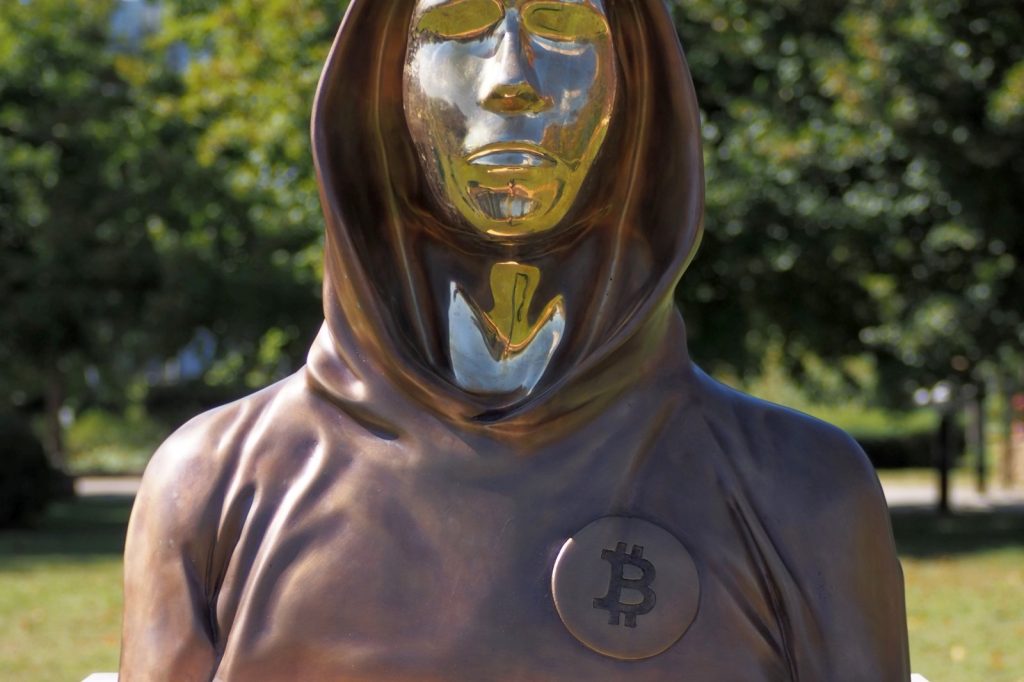
TOKYO, October 9 — Bitcoin’s fixed supply of 21 million coins remains a cornerstone of its value proposition, with over 93.5% already mined as of early 2024. The cryptocurrency’s scarcity model continues to distinguish it from traditional fiat currencies that can be printed in unlimited quantities. The 21 million cap was established by Bitcoin’s pseudonymous creator Satoshi Nakamoto in the original white paper published on October 31, 2008.
This fixed supply is enforced through the protocol’s block subsidy halving mechanism, which reduces the block reward by 50% every 210,000 blocks, approximately every four years. The initial block reward was 50 bitcoins per block.
As of the most recent halving, the reward stands at 3.125 bitcoins per block. The total number of bitcoins that will ever be mined approaches 21 million asymptotically, with the final bitcoin expected to be mined around the year 2140 based on current block production rates.
Scarcity as a Design Feature
This scarcity model is often compared to precious metals like gold, which also have finite supplies. Unlike gold, however, Bitcoin’s supply is programmatically fixed and transparent. The 21 million limit is hardcoded in Bitcoin’s source code and requires consensus among network participants to change, making alteration extremely unlikely due to the decentralized nature of the protocol.
As of early 2024, over 19.6 million bitcoins have been mined, representing approximately 93.5% of the total supply. The cap has remained unchanged since Bitcoin’s launch in 2009 and continues to be a defining characteristic that sets it apart from many alternative cryptocurrencies with inflationary or uncapped supply models.
Impact Across Communities
The fixed supply has been cited by proponents as a key reason for Bitcoin’s appeal as a store of value, particularly during periods of economic uncertainty. For communities across Asia and beyond, this predictable supply offers an alternative to traditional financial systems that may experience inflationary pressures. The design reflects Nakamoto’s original intent to create a peer-to-peer electronic cash system with a predictable, finite supply, as outlined in the white paper.
For families in the region, this digital asset presents an option that maintains purchasing power over time, contrasting with currencies that might lose value through inflationary monetary policies.
Looking Forward
The next halving event will continue to reduce the rate at which new bitcoins enter circulation, further emphasizing the asset’s scarcity. As the supply approaches its maximum, Bitcoin’s role as a store of value may continue to evolve, with communities across the region watching how the fixed supply impacts its long-term adoption and use in everyday financial activities. The specific dates, numbers, and percentages mentioned in this article are sourced from the provided background information.




