
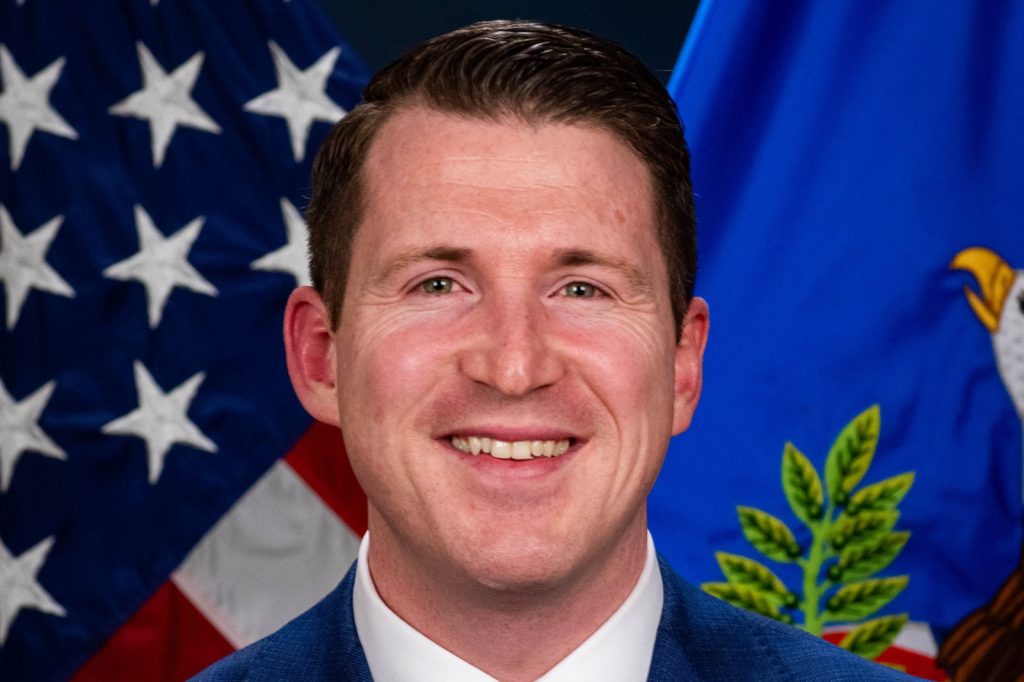
WASHINGTON, October 8 — The Department of Justice issued a new enforcement directive on October 1 that sharpens the focus of its National Fraud Enforcement Division on four priority areas of corporate fraud, signaling heightened scrutiny for companies in targeted sectors. Assistant Attorney General Colin M. McDonald signed Directive 26-12, which explicitly directs resources toward combating fraud against the U.S. government and American taxpayers. The directive establishes the DOJ’s Corporate Enforcement Section within a well-resourced Fraud Division as the central unit responsible for carrying out this increased enforcement activity. Companies operating in the priority sectors should anticipate more aggressive oversight and are advised to review their internal compliance programs, procedures for assessing potential misconduct, disclosure practices, cooperation protocols, and remediation plans. The directive does not name the four priority sectors in the source material, but it makes clear that the National Fraud Enforcement Division will concentrate its efforts where fraud against government programs or taxpayer funds is most likely to occur. This approach reflects a broader strategy under the current administration to strengthen accountability in industries that receive significant federal funding or operate under government contracts. The Corporate Enforcement Section, which was created to centralize expertise in complex corporate investigations, will lead the effort, drawing on attorneys, investigators, and analysts with experience in financial fraud, healthcare billing, defense contracting, and grant misuse. Assistant Attorney General Colin M. McDonald, who issued the directive, oversees the DOJ’s Criminal Division and has been a key figure in shaping the department’s fraud enforcement priorities since his appointment. His role includes supervising units that handle False Claims Act cases, bribery and corruption investigations, and large-scale enterprise fraud. The directive builds on previous DOJ initiatives that have targeted fraud in Medicare, Medicaid, disaster relief funds, and Paycheck Protection Program loans, though it does not reference any of those programs directly. Instead, it frames the new focus as a continuation of the administration’s commitment to protecting public funds from illicit diversion. The Justice Department, as the federal agency responsible for enforcing laws and administering justice in the United States, is headed by the Attorney General, who serves as the chief law enforcement officer of the federal government. In the U.S. system, the Attorney General leads the DOJ and oversees litigating on behalf of the United States, providing legal advice to the President and executive departments, and managing federal prisons and law enforcement agencies such as the FBI and the DEA. The department’s structure includes divisions for criminal, civil, antitrust, environmental, and national security matters, with the Criminal Division — where McDonald serves — handling prosecutions related to fraud, public corruption, and organized crime. Looking ahead, businesses in industries that rely on federal contracts, subsidies, or emergency funding should expect the DOJ to increase its use of civil investigative demands, subpoenas, and qui tam actions under the False Claims Act. The directive suggests that cooperation, timely disclosure, and effective remediation will be weighed in any enforcement decisions, but it does not guarantee leniency for voluntary self-reporting. Companies are encouraged to assess whether their current controls are sufficient to detect and prevent fraudulent activity, particularly in areas involving billing accuracy, vendor relationships, and grant compliance. The DOJ has indicated it will monitor outcomes and may adjust its priorities based on emerging threats or shifts in fraud patterns.
US DOJ Launches New Directive to Strengthen Corporate Fraud Enforcement
Google
Get cyberinktimes.com stories first. Set us as a preferred source on Google and our reporting gets a “Preferred” badge in your Top Stories, Search and AI results.
Add as preferred source →
More stories by
Most read
-
Verizon’s Worst Day Since 2002: SpaceX’s U.S. Network Plans Impact Cell Providers’ Stocks
-
Deadly Riyadh Airport Attack: 12 Killed, Over 300 Injured in Saudi Arabia
-
Larry Fink Warns Data Center Moratorium Could Trigger Recession
-
Oregon Data Center Moratorium Threatens Billions in Investment and Thousands of Jobs
-
Brooklyn DA’s Crypto Scam Task Force Targets Russian Community Fraud
-
MARA Moves 1,000 BTC to Exchanges Amid Miner Revenue Drop and Energy Deal
-
Coinbase and Glassnode Report Cites Dollar Alternatives in Bitcoin Recovery
-
GENIUS Act Mandates 1:1 Reserves and Monthly CEO Attestations for Stablecoin Issuers
-
How BlackRock’s Crypto Fund Inflows Are Reshaping Market Liquidity and Price Discovery
-
CFTC Seeks Leverage Limits, Custody Rules
-
Iran’s Threat to Gulf Undersea Cables Highlights Global Internet Vulnerability
-
How Modern Utilities and Tech Giants Power Massive Data Centers
-
How Starlink Maintained Network Resilience Amid Terrestrial Grid Attacks
-
How Microsoft’s Shift to Multi-Gigawatt AI Infrastructure Reshapes Global Data Strategy
-
Why Power and Cooling Constraints Are Stalling the Global AI Infrastructure Boom
-
French Supermarket Attack Reveals Weaknesses in Supply Chain Cybersecurity
-
How Hardware Wallet Users Can Detect Physical Tampering and Supply Chain Spies
-
Understanding HSM Certification Standards and Tamper Defenses
-
CryptoBilis-Sold Ledger Wallets Compromised by Spy Chips, $90M Stolen
-
Ledger Spy Chip Exploit Drains Scammer’s $4.9M CryptoBilis Wallets
-
72% of Americans Fear AI-Driven Job Displacement, Survey Finds
-
Theft Adds 3-5% to Data Center Costs, Delays Projects Weeks
-
FCC Repeals Rule Requiring Full Internet Price Disclosure
-
Southeast Asian Families Await Impact of Tom Lee’s $100,000 Ethereum Prediction
-
MiniPay partners with Visa and Gnosis Pay to launch stablecoin debit card



