
Ethereum-Based Token Gains Traction
Pepeto describes itself as “Ethereum Based,” meaning the token runs on the Ethereum blockchain. For ordinary investors, the practical implication is that Pepeto tokens exist within the same ecosystem as Ethereum itself, which can make them easier to trade on existing platforms. The presale figure comes from the project’s own announcement, distributed through GlobeNewswire from Dubai. Crossing the $10.38 million threshold signals significant early interest, though presale numbers do not guarantee future performance.
A presale is essentially an early fundraising round in which people buy tokens before they hit public exchanges, hoping the price will rise once trading opens. The model grew out of the initial coin offering boom, when developers offered tokens to early backers at a discount. Over time, regulators around the world tightened rules around such offerings, but presales continued as a common, loosely regulated practice within the crypto space.
Understanding Presales and Their Risks
Cryptocurrency presales emerged in the early years of blockchain fundraising as a way for new projects to gather capital before listing on public exchanges. Buyers typically hope that the token’s price will rise once it is listed, but presales carry high risk. Projects often lack a track record, and early purchasers may have limited ability to sell their holdings immediately. The structure has drawn both retail speculators and venture-style players looking for outsized returns.
Ethereum, the blockchain underpinning tokens like Pepeto, launched in 2015 and introduced the concept of programmable smart contracts. This allowed developers to create their own tokens on top of its network. Many crypto presales are Ethereum-based because the platform already has a large pool of active wallets, established trading infrastructure, and a history of hosting successful projects. For the average person watching crypto from the sidelines, the takeaway is that the market is not moving as one block anymore. Some projects are raising serious money in presales while established coins zig and zag.
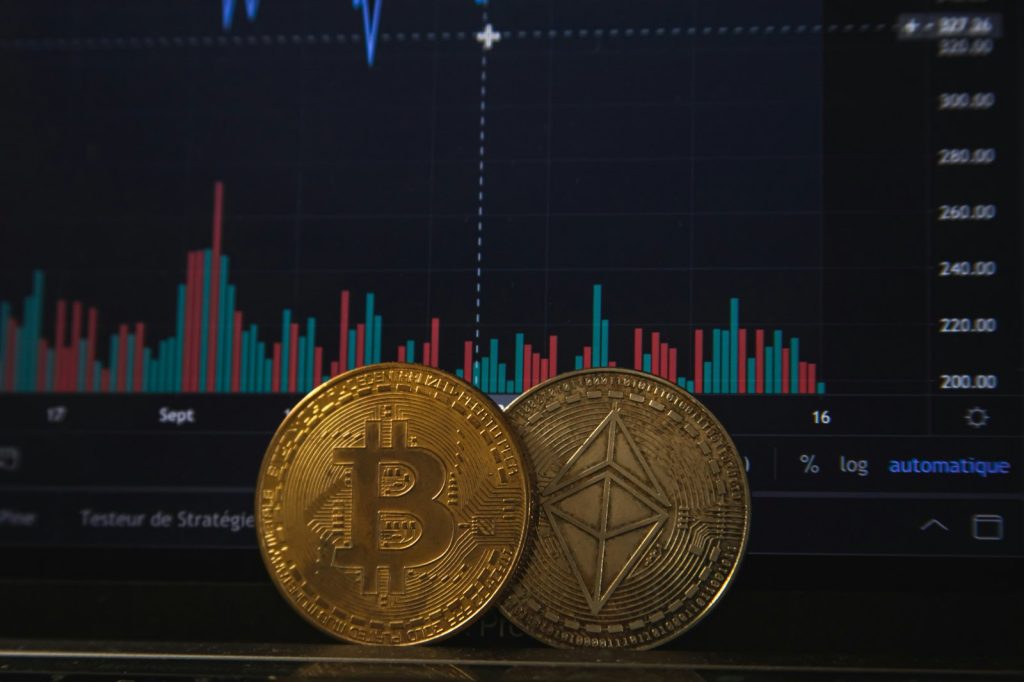
The timing of such presales matters because the broader crypto market often moves in cycles. Bitcoin, the first and largest cryptocurrency, is frequently seen as a macro-economic hedge. Ethereum, by contrast, is tied more closely to the health of decentralized applications and the regulatory signals that affect that ecosystem. When these two major assets move in opposite directions, as they have recently, newer tokens face an uncertain environment in which early fundraising becomes both easier and harder depending on investor sentiment.
Broader Market Signals and Implications
Why the split between Bitcoin and Ethereum? In plain terms, the two serve different purposes. Bitcoin is often seen as digital gold, a store of value sensitive to interest rates and macroeconomic trends. Ethereum is more like a platform for apps and contracts, so it can react differently to regulatory news. The Warsh Signal appears to be boosting confidence specifically in Ethereum’s ecosystem, which would also benefit tokens built on top of it–including Pepeto.
For readers, a presale crossing a significant threshold signals that a project has attracted meaningful early backing. But that does not guarantee long-term success. The value of any presale token depends on the project’s development, its eventual adoption, and the broader market conditions at the time of listing. The coming weeks will show whether Pepeto can convert its presale momentum into lasting value once trading begins. Understanding how presales fit into the crypto landscape helps investors weigh the opportunity against the inherent risks.




