
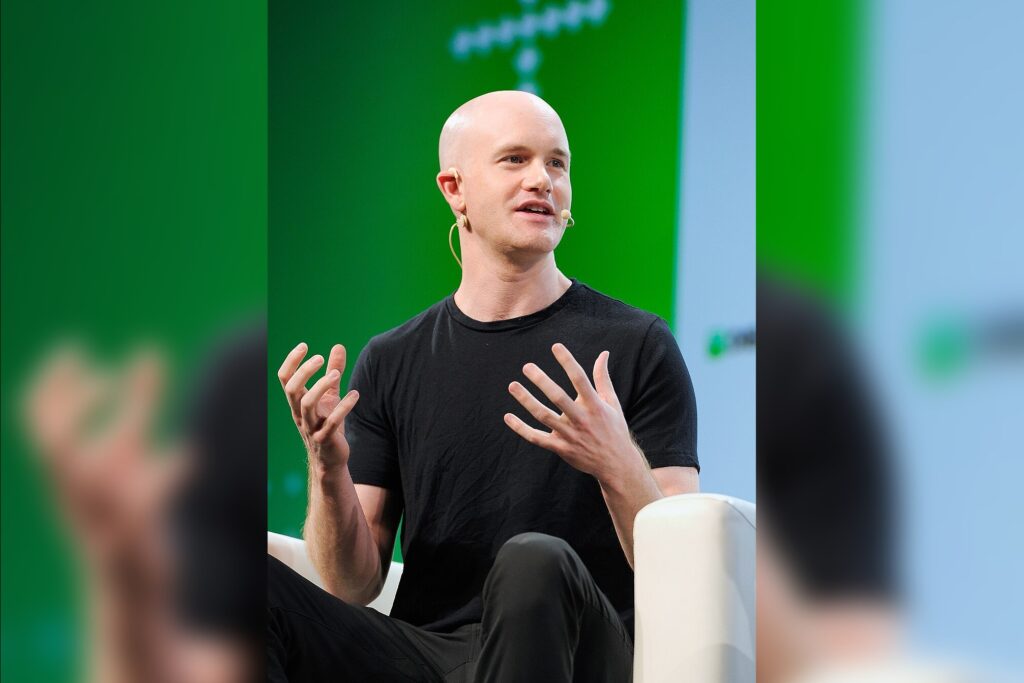
Brian Armstrong wants adults to decide where their money goes. Zooko Wilcox wants them to know exactly what they are buying. That divide, laid bare this week in Austin, is not new.
But it is getting sharper as Coinbase pushes deeper into territory that looks less like a trading app and more like a betting window. The exchange has been adding outcome-based products and advanced trading tools.
These share more DNA with sportsbooks than with traditional brokerages. Armstrong defended the shift on grounds of personal freedom. Adults should be free, he argued.
He added a caveat: high-risk products should not be the main focus for unsophisticated users. That caveat is the crack in the argument.
Wilcox, who created the privacy-focused cryptocurrency Zcash, sees a paper-thin line between crypto speculation and outright gambling. The underlying assets are volatile. Bitcoin and ZEC carry inherent speculative risk.
Wrapping that speculation in exotic product structures does not reduce the risk, Wilcox said. It amplifies it. Coinbase is walking a line.
On one side, choice. On the other, protection for customers who may not fully understand what they are clicking.
The tension is built into Armstrong’s own defense. Freedom for adults, yes. But not for unsophisticated ones.
That raises a question the company does not answer: who decides which users are sophisticated enough for these products? The exchange has not said how it segments its user base.
It has not said what guardrails exist. The record shows Armstrong made the caveat. No details followed.
That silence matters. Prediction markets and event-based contracts are not new. But they have mostly lived outside regulated exchanges.
Coinbase is bringing them inside. That changes the stakes.
Wilcox’s critique goes to the structure of the products. When the underlying asset is already a bet, adding layered derivatives does not diversify risk. It concentrates it.
The industry, he argued, should be honest about what it is offering. That is a direct challenge to the framing Armstrong used.
Freedom to choose sounds noble. It sounds less noble when the choice is between a volatile asset and a derivative of that volatile asset dressed up as something new. Coinbase did not immediately respond to requests for comment.
The exchange is not the first to push this boundary. But it is the largest U.S.-based platform to do so. That gives its moves weight.
Other exchanges watch. Regulators watch.
The Zcash founder is not a regulator. He is a builder. His criticism carries weight inside the crypto industry because he has been in it since the beginning.
He knows what speculation looks like. He also knows what a privacy coin is supposed to do.
Zcash was built to protect financial privacy, not to fuel event-based wagers. The debate is not theoretical. Products are live.
Users are using them. The question is whether the market will police itself or whether the caveat Armstrong offered will become a regulatory requirement. The answer depends on what happens next.
A bad outcome for an unsophisticated user could force the issue. So far, no one has defined what sophistication means.
{“@context”: “https://schema.org”, “@type”: “NewsArticle”, “headline”: “Coinbase CEO and Zcash founder clash over exchange’s betting-style products”, “description”: “Brian Armstrong wants adults to decide where their money goes. Zooko Wilcox wants them to know exactly what they are buying. That divide, laid bare…”, “datePublished”: “2026-06-28T13:43:00+00:00T09:30:00+00:00”, “author”: {“@type”: “Person”, “name”: “Sebastian Smith”}, “publisher”: {“@type”: “Organization”, “name”: “InfoPulse Today”, “url”: “https://newsfeed.2bme.xyz/”}}




